Eucalyptus Globulus vs Radiata: Which Should You Buy?
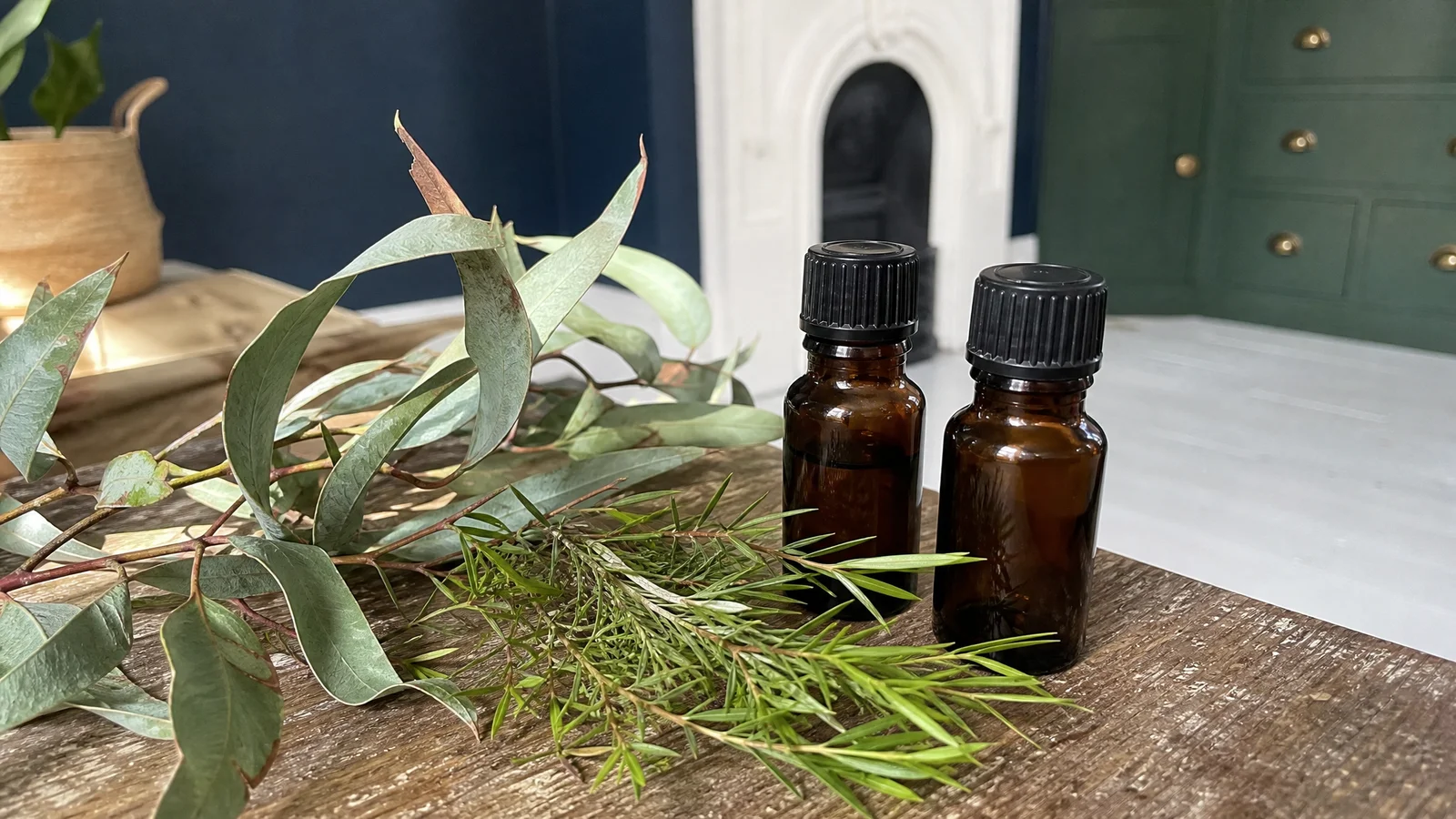
Hold two eucalyptus bottles under your nose and most people expect the same smell twice. They are not the same. One is brisk and unmistakable, the sort of cool air you associate with a eucalyptus grove after rain, and the other is gentler, rounder and a little sweet. Those two are globulus and radiata, and picking between them is mostly a question of how loud you want the room to be.
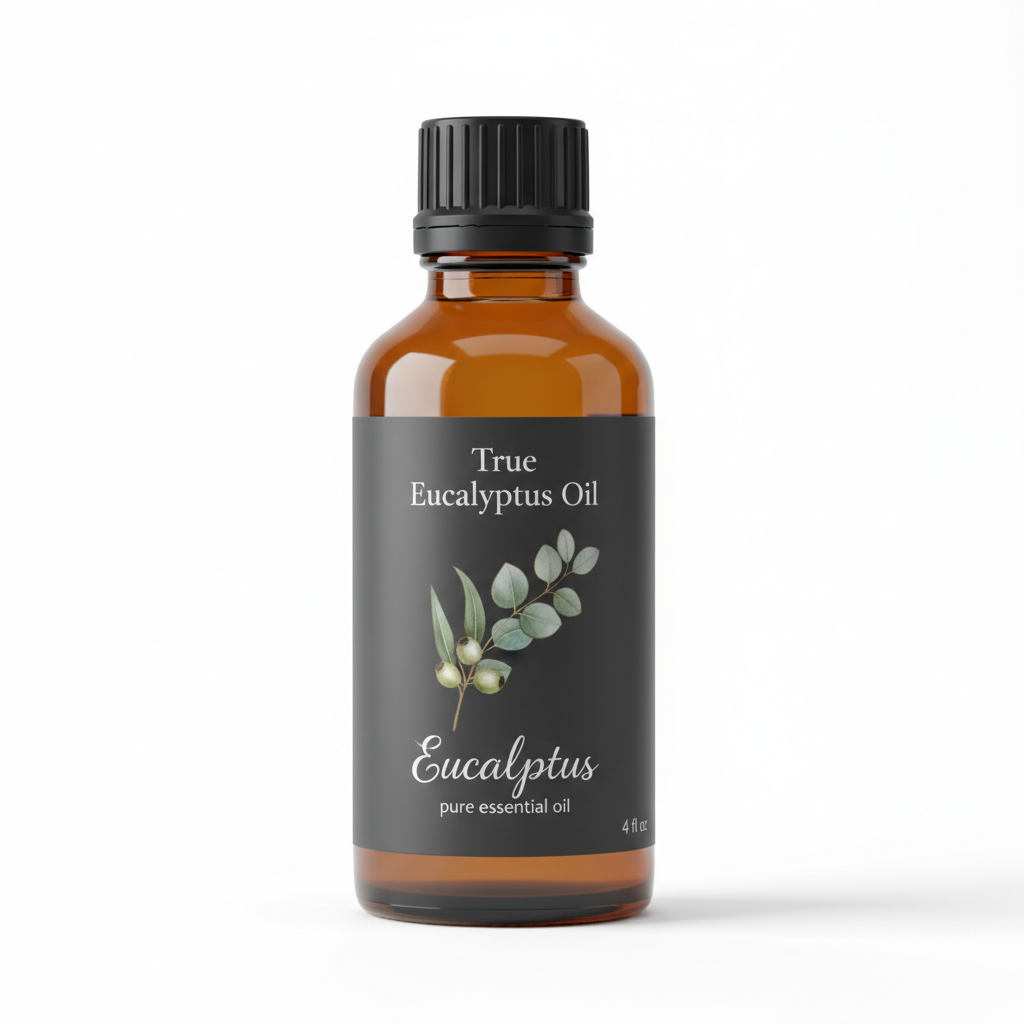
Eucalyptus Essential Oil
Our own Eucalyptus Essential Oil, in sizes from 0.5 oz to bulk.
From $9.99
Shop Now →How the two smell
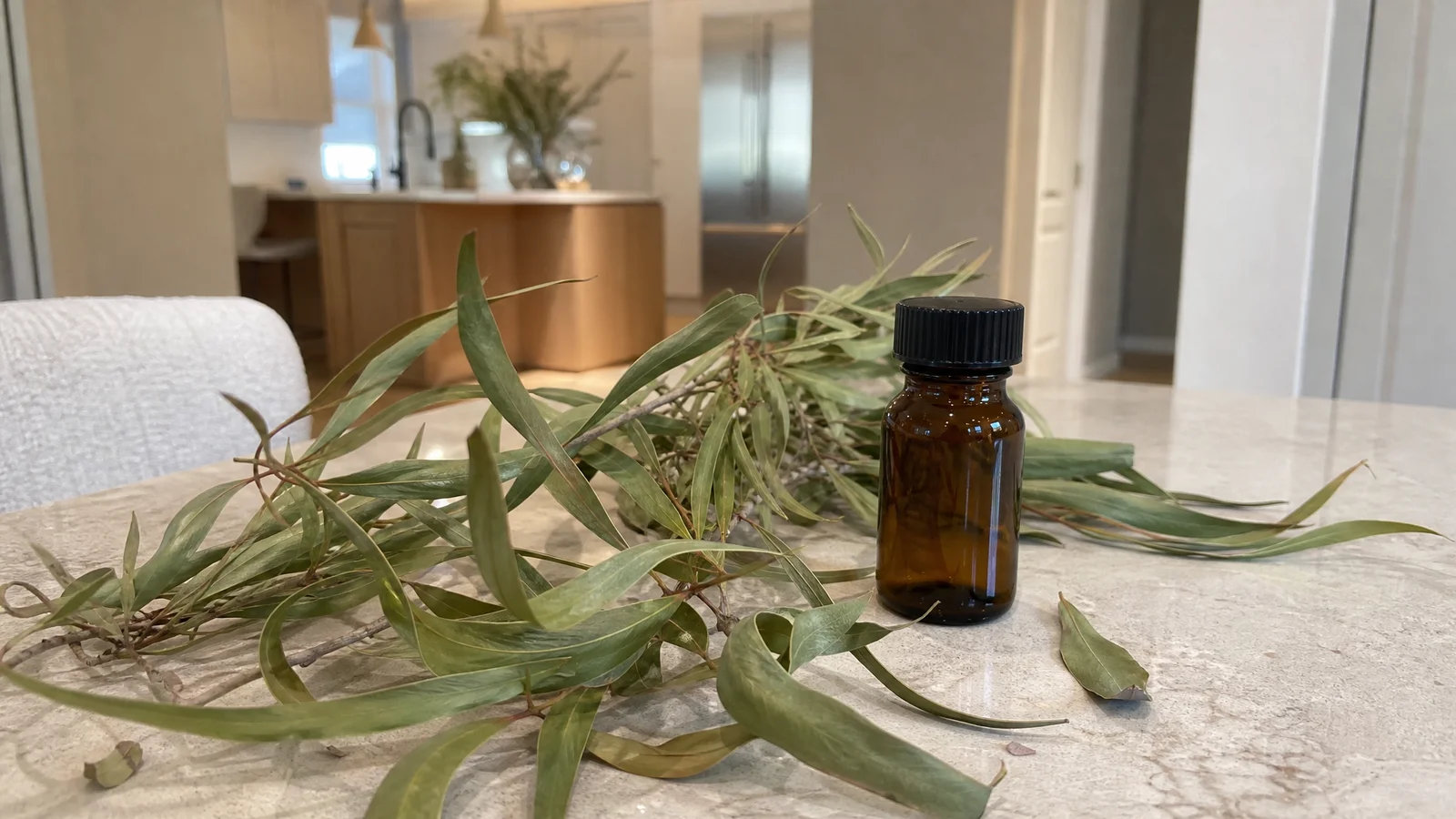
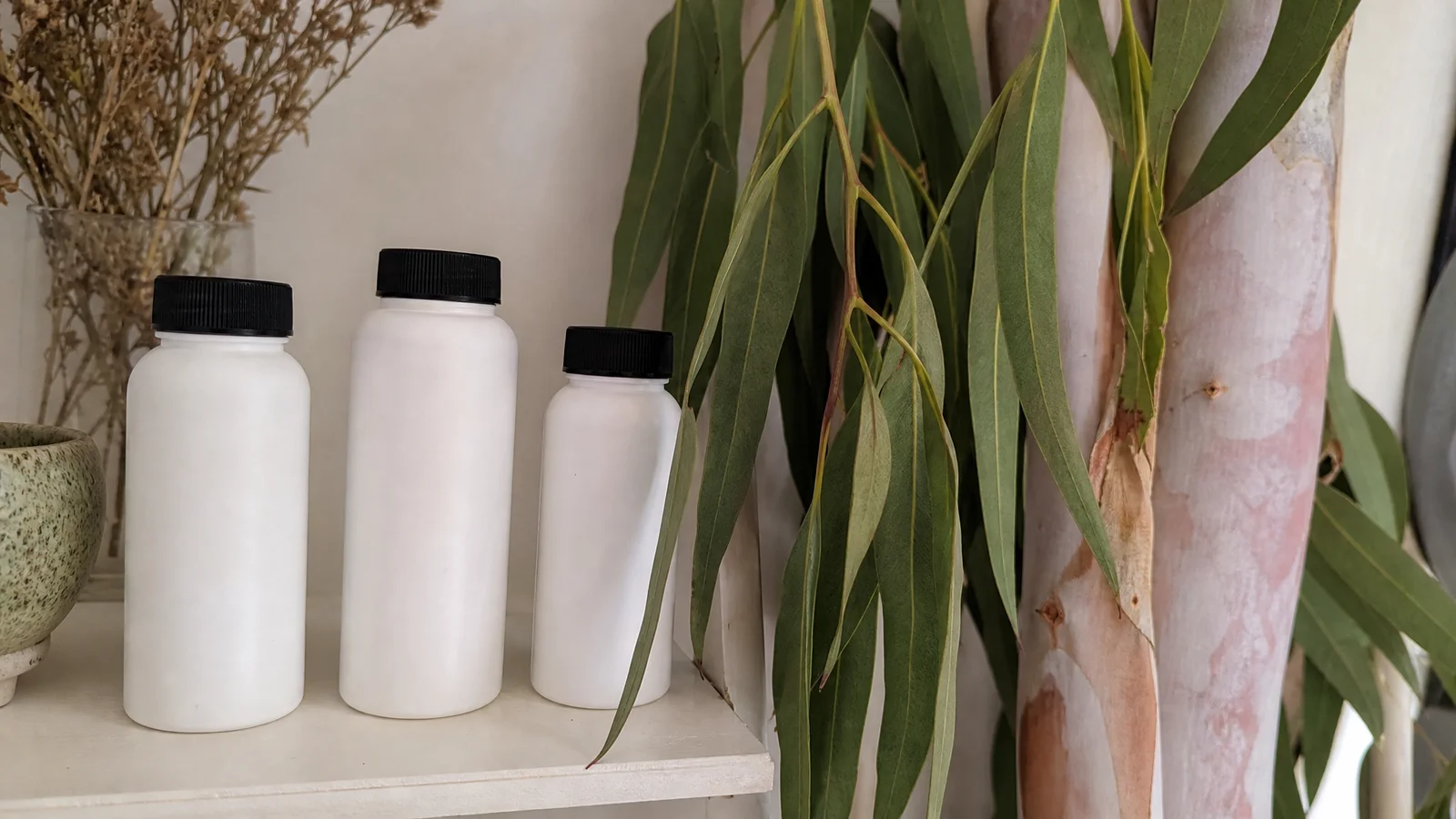
We describe our globulus as cool, clean and camphor-fresh with a faintly sweet, woody finish. It is the sharpest of the eucalyptus oils we sell. Our radiata, from the tree called narrow-leaved peppermint gum, is a fresh, soft, clean aroma with a gentle camphor note and a faintly sweet, citrus-tinged finish, and we think of it as the gentler of the common eucalyptus oils. That is a real difference in character, not marketing: we note that a recipe written for another species will smell noticeably stronger with globulus.
Why they differ when both are cineole-rich
Both trees give a cineole-type oil, meaning the main ingredient is 1,8-cineole, the molecule often called eucalyptol. The gap between them is partly how much of it there is and partly what else is in the oil. An EFSA review of E. globulus oil measured seven batches and found 1,8-cineole averaging about 80% of the oil, in a range from about 72% to 87%. A CSIRO profile of the cineole variant of E. radiata puts its principal component at roughly 62% to 72% and says the oil is considered ideal between 65% and 75%; it adds that the high cineole content, together with alpha-terpineol and other components, gives a sweeter and less harsh odour than other cineole-rich oils, and that higher levels of cineole are thought to mask the sweeter notes.
Those are literature figures for each species, not measurements of our own bottles, so read them as an explanation of why the two smell different, not as a spec sheet. The gist is simple: more cineole pushes the oil towards sharp and camphor-clean, while a lower share lets the sweeter, fruitier supporting notes come through.
Radiata comes in several chemical forms
Radiata is a species with several chemical forms. The CSIRO profile describes four original chemotypes, differing in cineole and phellandrene and in whether piperitone is present, and the Coppen and Hone market review notes that a phellandrene form of E. radiata was once used as an industrial oil. In practice that means the Latin name on the bottle is the start of the conversation, not the end of it, and if composition matters for your project ask in writing for the analysis of the lot you are buying and get it in writing before you rely on it. Our contact page is the place to ask us.
So which one?
- Choose globulus if you want the classic spa-bathroom character: a shower or steam-room feel, a crisp counter to heavier woods, or a blend where eucalyptus is meant to lead. We position it for shower-steam and spa blends and lists lavender, peppermint, lemon, rosemary and conifer oils as partners. Use it sparingly.
- Choose radiata if you want the eucalyptus note to sit inside a blend rather than on top of it, in a small room, or alongside citrus and floral oils. We list lavender, lemon, peppermint, rosemary, tea tree and pine as good partners. Because it is softer, you can usually be more generous with it in a recipe.
- Keep both if you like to adjust the mood with the season. They are different oils, not a premium and a budget version of the same thing.
If you are following a recipe written for one and using the other, shift the amounts: roughly speaking, use somewhat less globulus than a radiata recipe calls for, and a little more radiata than a globulus recipe calls for, then adjust by nose. That is reasoning from the difference in strength, not a tested conversion, so go in small steps.
Same care for both
Our guidance is the same for both oils: dilute to 0.5% to 2% in a carrier for the skin, patch test first, keep away from eyes, children and pets, and do not take either by mouth. Our Standards page also says high-cineole oils are not appropriate for babies and young children, so we keep eucalyptus away from infants altogether; ask a pediatric clinician about anything involving a child. Store whichever you choose capped, cool and out of the light; we say to expect roughly two to three years while sealed.
For the longer story of the other three trees, see our species guide, and for more on radiata alone, the gentler eucalyptus. If scent is your starting point, this smell guide will help you decide which bottle to open first. Once you have smelled both side by side, the choice usually makes itself.
Eucalyptus Essential Oil
Eucalyptus Essential Oil from our own shop, in sizes from 0.5 oz to bulk.
From $9.99
Shop Now →Sources & Further Reading
- Safety and efficacy of a feed additive consisting of an essential oil derived from Eucalyptus globulus Labill. (eucalyptus oil) for all animal species (FEFANA asbl)
- Australian Essential Oil Woody-plant Species Profile: Narrow-leaved Peppermint (Eucalyptus radiata Sieber ex DC subsp. radiata)
- Eucalyptus oils: a review of production and markets (NRI Bulletin 56)