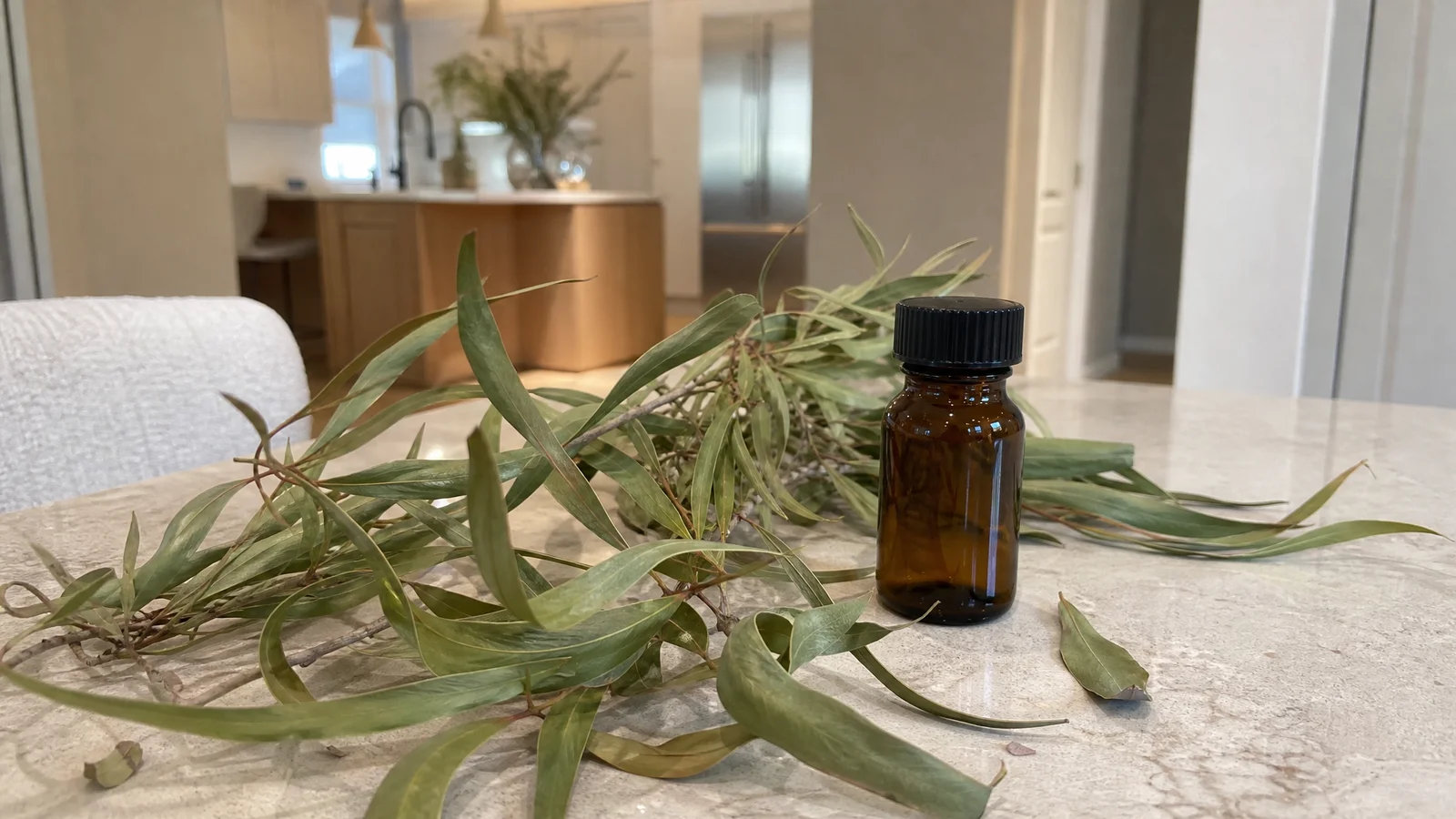
Lemon Eucalyptus Oil: A Citronella-Like Scent
Open a bottle of lemon eucalyptus and the first thing you notice is that it does not smell like eucalyptus, at least not the kind you meet in a steam room. It is bright, lemony and a little like citronella, and it has more in common with a lemongrass bottle than a globulus one. We love it for exactly that reason.
Eucalyptus Essential Oil
Our own Eucalyptus Essential Oil, in sizes from 0.5 oz to bulk.
From $9.99
Shop Now →Same family, different aroma
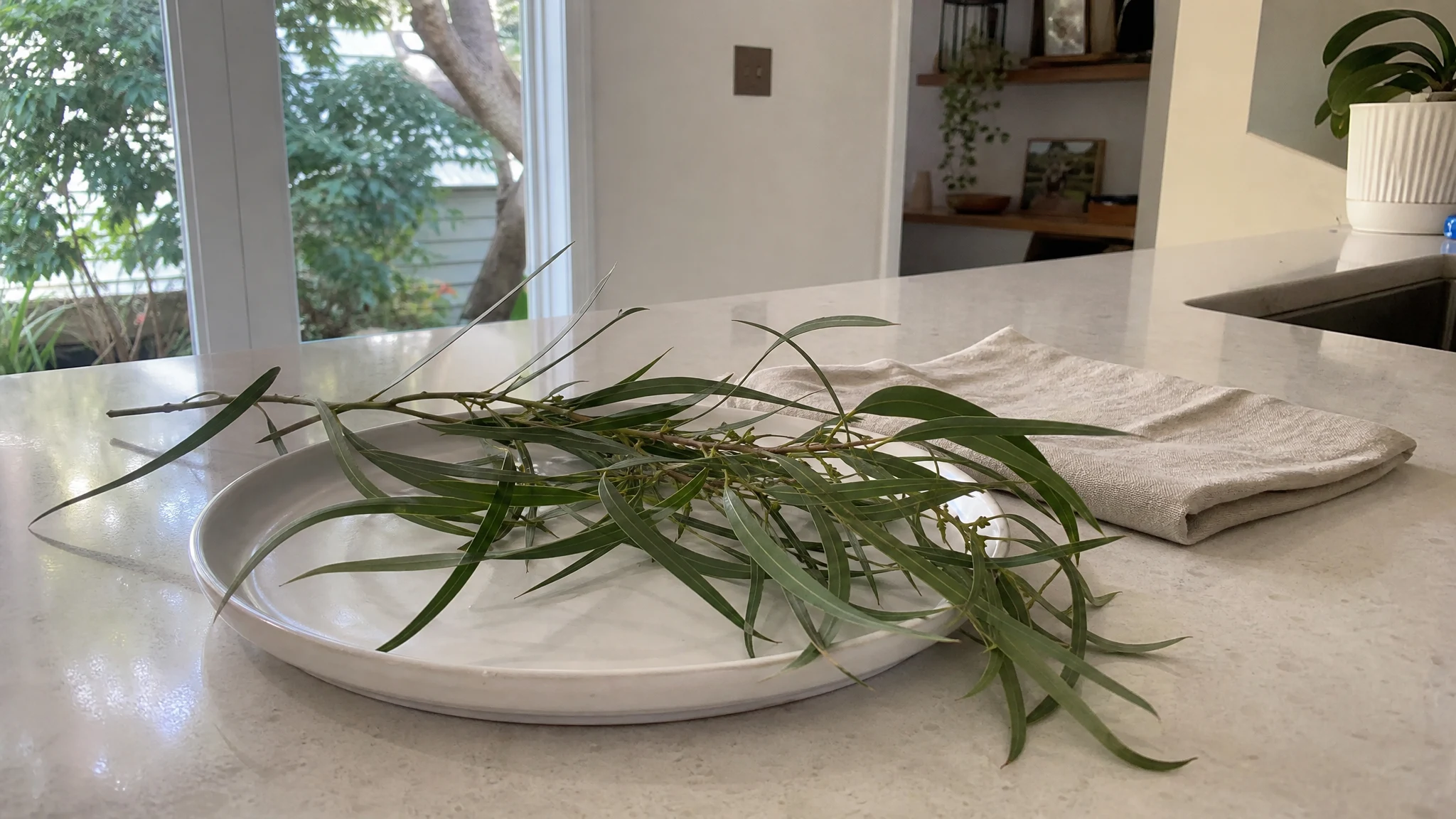
Lemon eucalyptus is steam-distilled from the leaves of Eucalyptus citriodora, the lemon-scented gum. We describe our version as bright, lemony and citronella-like, with none of the camphor edge you get from our other eucalyptus oils. The reason is chemistry. A 1992 survey of the eucalyptus trade by the UK Natural Resources Institute sorts the world's eucalyptus oils into three types, and this one lands in the perfumery group because its main component is citronellal, usually about 65 to 85 percent, instead of the cineole that gives the familiar camphor-fresh smell. That figure is a trade description of the oil in general, not a measurement of ours.
The same survey notes that the main commercial use of this oil has been as a source of citronellal for the fragrance industry, with the whole oil also used in soaps and perfumes. It has long been a scent ingredient, which is a good clue to where it shines.
What you will notice when you open the bottle
Take the cap off and hold the bottle a little way from your nose. The first impression is bright and lemony, with a green, grassy edge that reminds many people of citronella candles on a summer evening. Wait a few seconds and a softer, herbal side comes through behind it. It is a sunny smell, and it feels cheerful in a way that cool, camphor-fresh eucalyptus does not try to be.
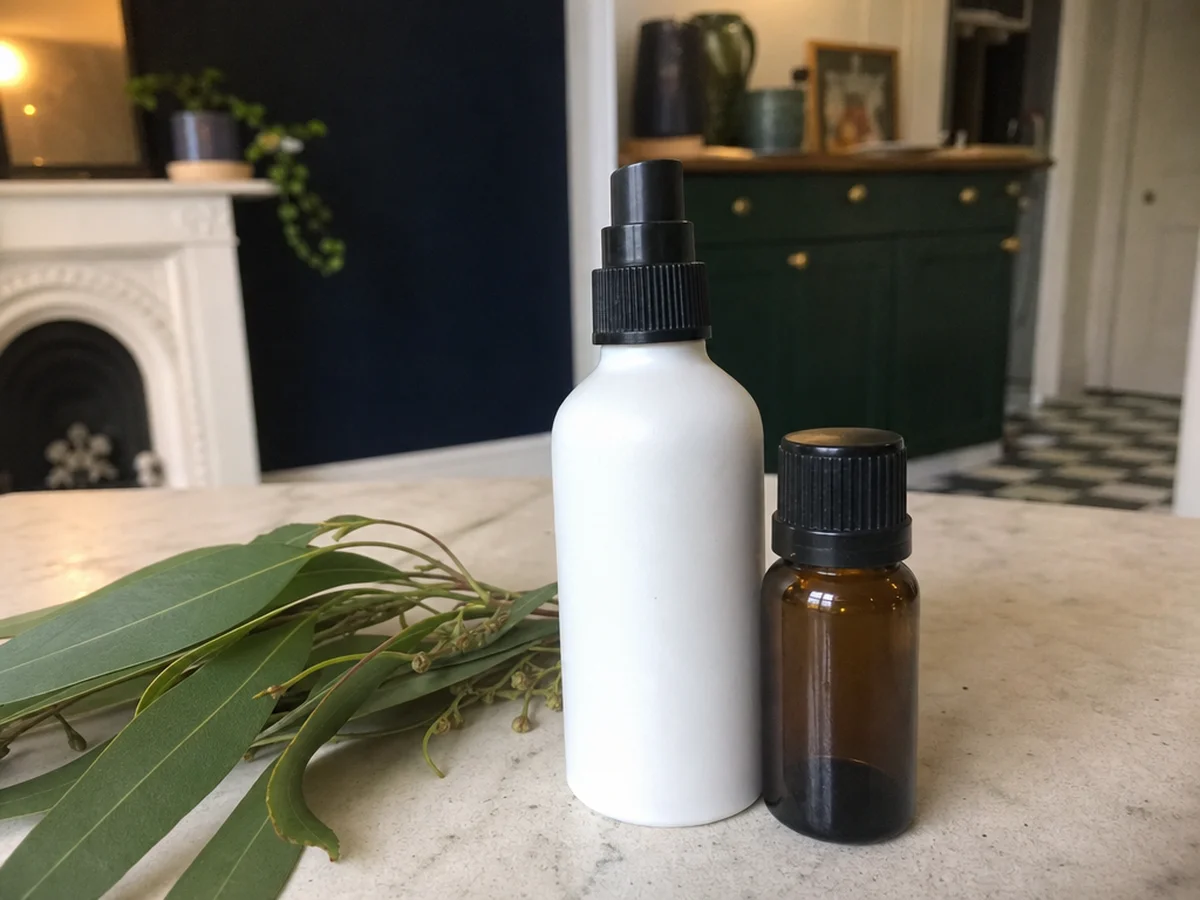
Wave a paper strip in the air and smell it again after a few minutes. Notice how the first sparkle fades and the rounder, leafy part stays behind. That kind of slow sniff is the best way to get to know any oil.
A tree with two names
If you read around, you will see the tree called Corymbia citriodora. In the 1990s botanists moved the bloodwoods and spotted gums into the genus Corymbia, and the PROSEA essential-oil-plants handbook lists the older Eucalyptus citriodora as a synonym. Our shop and our Certificate of Analysis both use the older name, which is still the one most suppliers use. They are two names for the same lemon-scented gum.
The handbook also makes a point we find useful as buyers: wild stands of this tree include at least four chemical forms, with citronellal ranging from about 1 percent to 91 percent. So the name on a label tells you the tree, and the batch tells you the chemistry.
What we can show for our batch
The Certificate of Analysis we publish is for one batch of our lemon eucalyptus. It records a clear liquid with a relative density of 0.863 and a refractive index of 1.453 at 20 C. For context, the ISO standard for this oil (ISO 3044, in its 1974 edition as reproduced in that trade survey) lists a relative density of 0.858 to 0.877 and a refractive index of 1.4500 to 1.4590, and both of our numbers sit inside those windows. That is a pleasing sanity check rather than a full profile. The share of citronellal, the figure that defines this oil, is not on the certificate. If you are formulating and want a constituent report for your lot, ask us in writing through our contact page, and keep whatever you are sent with your records.
Where it fits
A few practical thoughts for makers. In a candle, lemon eucalyptus brings a clean, outdoorsy mood that suits a porch or a patio. In soap, it gives a fresh, lemon-leaf impression that pairs nicely with a plain, simple bar. In a diffuser, it works well as a daytime scent, often with a second citrus or a woody partner, and it takes only a little to fill a room.
Lemon eucalyptus is our pick for the places a citrus-herbal note belongs: diffuser blends, outdoor candles, soap and cleaning-spray blends. It blends comfortably with lavender, geranium, cedarwood, lemongrass, peppermint and bergamot, none of which we sell, so you will find those at a craft or supply shop. It is not the oil for a steam-room atmosphere. For that cool, clean camphor, reach for our globulus, and our species explainer lines all five of our oils up side by side.
One note on a name you may see: "oil of lemon eucalyptus" on a spray label is a refined, regulated repellent ingredient and a different product from this essential oil. We make no repellent claim for ours, and our OLE explainer walks through how to tell the two apart on a shelf.
A simple way to try it
If you have never worked with this oil before, start with the easiest project: a few drops in your diffuser, in a room you control, for a short session. Notice how the room smells after you turn it off and again an hour later. Then, if you like it, move to a handmade candle or soap, where you can take your time with measurements. Starting small like this lets the oil teach you what it likes, and it saves a bottle from sitting half used on a shelf.

Using it well
We sell all of our eucalyptus oils neat, so the dilution is yours to work out. Our guidance for the skin is 0.5% to 2% in a carrier oil with a patch test first, and keeping away from eyes and broken skin. Species matter, and citronellal-rich oils have their own considerations, so if you are making a leave-on product we would start at the lower end and check the current IFRA standards for your category. Our carrier oil guide helps with the base. Keep every eucalyptus oil away from children and pets, and do not swallow any of it.
Because the trade offers such varied lemon eucalyptus, we think the best habit is to treat the first bottle as a smelling session. Pick a small size, notice how the lemon note opens and settles, and decide from your own nose where it belongs in your blends. If you want to understand what a constituent report would tell you, our guide to reading a GC-MS report is a good start.
Eucalyptus Essential Oil
Eucalyptus Essential Oil from our own shop, in sizes from 0.5 oz to bulk.
From $9.99
Shop Now →Sources & Further Reading
- Coppen JJW, Hone GA, 1992, Eucalyptus oils: a review of production and markets (NRI Bulletin 56), Natural Resources Institute
- PROSEA, Record 658: Corymbia citriodora (Hook.) K.D. Hill & L.A.S. Johnson, Handbook 19: Essential-oil plants