Lemon Eucalyptus Oil vs OLE: Know Which Is Which
Two bottles can both say "lemon eucalyptus" and be completely different products. One is a distilled leaf oil with a bright, citronella-like scent. The other, "oil of lemon eucalyptus," or OLE, is a refined ingredient in registered insect repellents. Knowing which is which saves you from buying the wrong one, so here is how we tell them apart.
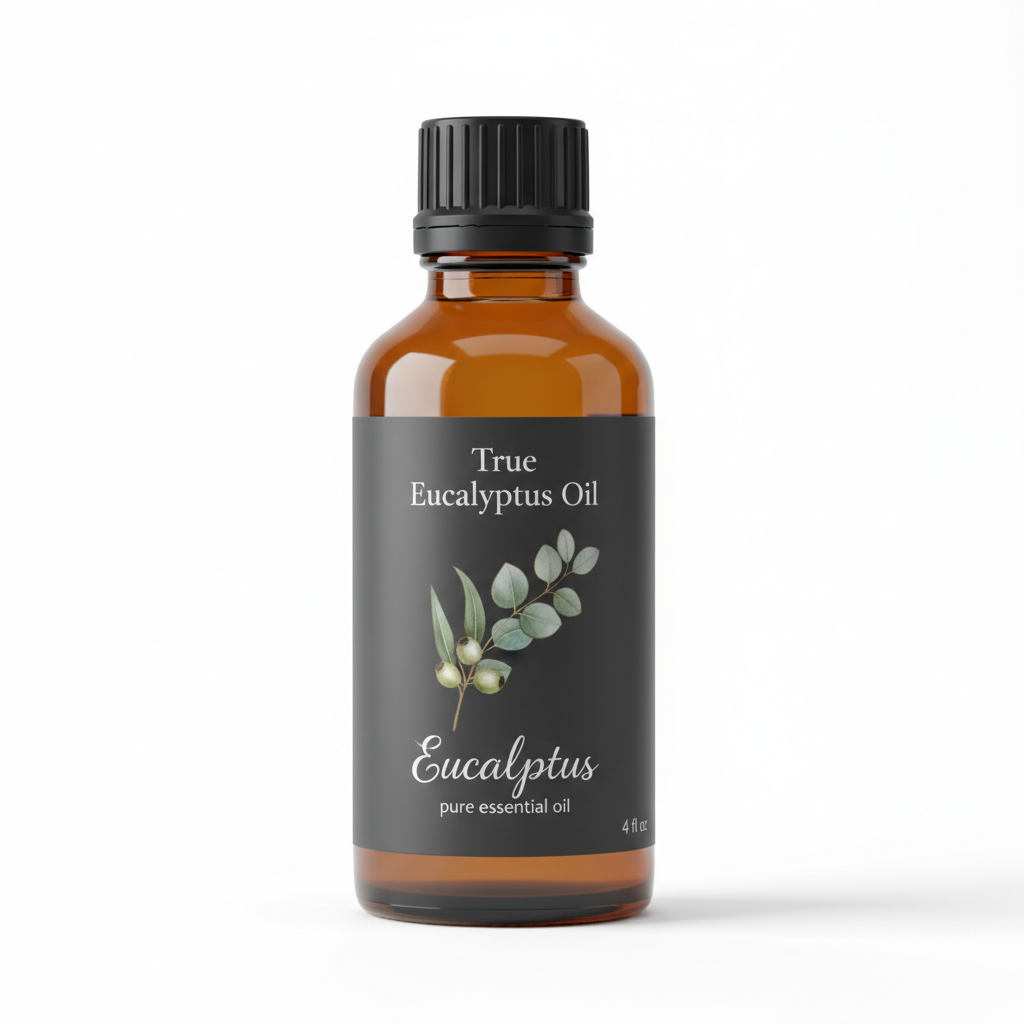
Eucalyptus Essential Oil
Our own Eucalyptus Essential Oil, in sizes from 0.5 oz to bulk.
From $9.99
Shop Now →One tree, two very different bottles
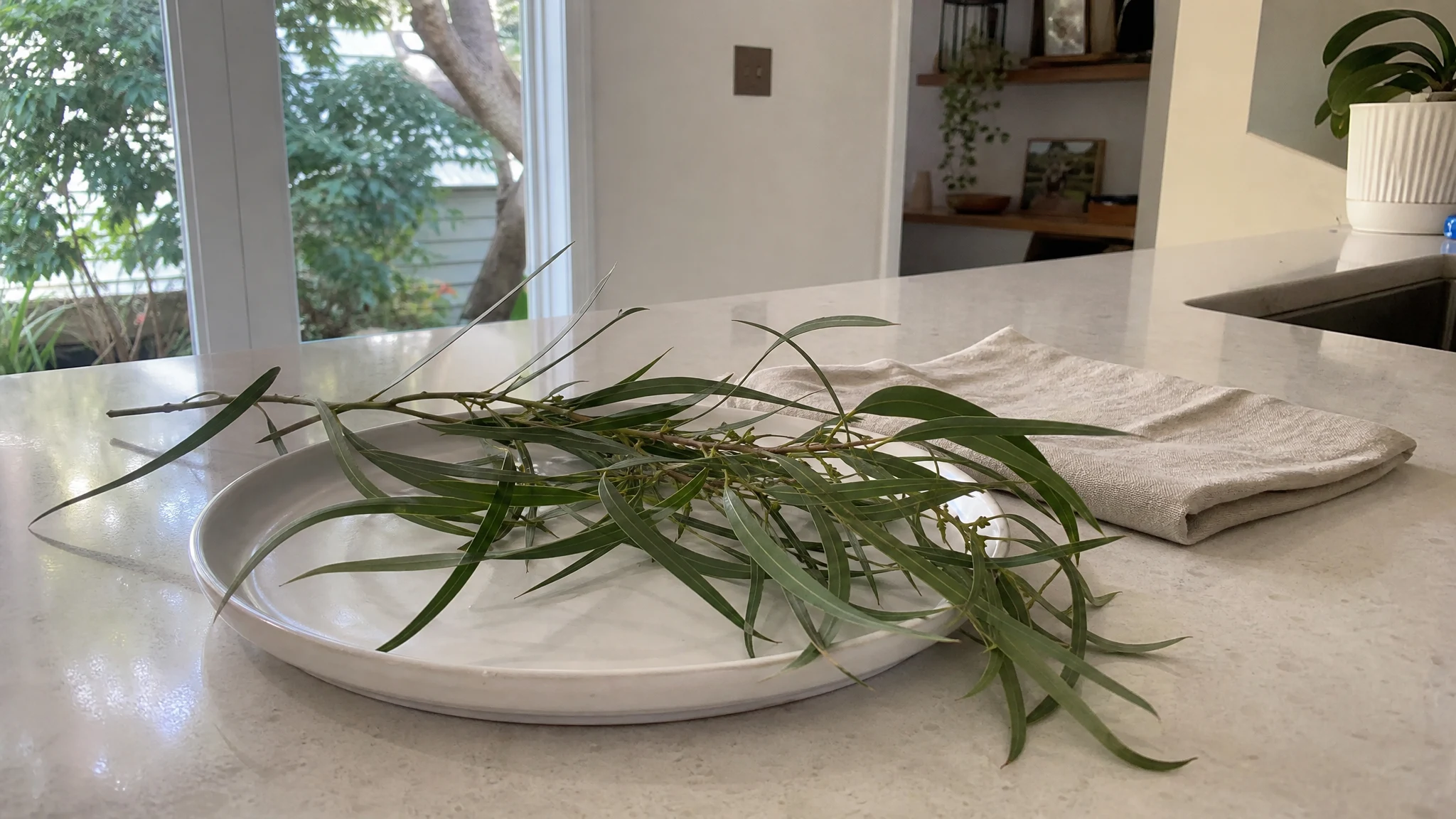
Our lemon eucalyptus is steam-distilled from the leaves of Eucalyptus citriodora. The trade has long described this oil as rich in citronellal, usually about 65 to 85 percent according to a 1992 survey from the UK Natural Resources Institute, and that compound is what gives it a lemony, citronella-like smell. We sell it as an aroma oil, in the company of our four other eucalyptus oils, and we make no repellent or pest claim for it.
The repellent ingredient is something made from the same tree. A 2011 review in Malaria Journal explains that researchers found the waste distillate left after the essential oil was distilled was far more effective at repelling mosquitoes than the oil itself. The active compound, PMD (para-menthane-3,8-diol), can be recovered from lemon eucalyptus leaf distillation or made from citronellal. The review reports that PMD protects for several hours where the essential oil lasts around one hour, and that the lemon eucalyptus essential oil, about 85 percent citronellal, does not hold EPA registration as an insect repellent. The paper pulls together laboratory and field studies of different products, so its times are a picture of the field and not a promise for any bottle.
How the EPA files them
The EPA's page on skin-applied repellent ingredients lists PMD and oil of lemon eucalyptus as separate entries, describing OLE as containing PMD but being a separately regulated pesticide chemical. So the words on a label carry weight. OLE and PMD name registered active ingredients. "Eucalyptus citriodora leaf oil" names an essential oil.
The EPA also explains what a registration number on the label means: the company has given the agency technical information on how well the product works. So when you want a spray for the outdoors, that number is the first thing to look for.
Why the confusion happens
It is easy to see how people end up mixing the two. Both come from the same lemon-scented tree, both carry the words "lemon eucalyptus" and both smell fresh and green. A bottle on a craft-store shelf and a spray on a camping-aisle shelf can look like cousins, and the front of the label is designed to be friendly. The only reliable way to tell them apart is the one this page keeps repeating: read the back, and notice whether you are holding a plain leaf oil or a registered product with an active ingredient panel.
Reading a repellent label in four steps
- Look for the EPA registration number. It appears as "EPA Reg. No." on the label.
- Check the active ingredient line. A registered product lists its active ingredient and the percentage, which tells you whether you are holding OLE, PMD or something else.
- Notice the plain words. A bottle labelled lemon eucalyptus essential oil or leaf oil is the distilled leaf oil, with no active-ingredient panel.
- Read the age line. The EPA notes that, according to product labels, some OLE products should not be used on children under three, while certain products with OLE as the sole active ingredient at 30 percent or less carry no such restriction. The label of the actual product is the authority.
For anything involving a young child, a pharmacist or pediatrician is the right person to ask, because the details differ product by product.
Where our lemon eucalyptus belongs
Here is the picture we like to keep in mind. Our lemon eucalyptus is something you open and smell. A diffuser on a summer evening, a candle you pour by hand, a bar of soap that smells like lemon and leaves: that is the territory where it truly shines. It is pleasant, bright and uplifting in the way a citrus peel is, and it is easy to fall for the moment you open the cap.
If you are curious how it feels next to the others in the range, try it against our globulus on two separate paper strips. The contrast is striking. One reaches for cold air and steam, the other for sunshine and a freshly cut lemon.
We love our lemon eucalyptus for what it is: a fresh, citrusy aroma oil for diffuser blends, outdoor candles, soap and cleaning-spray blends. Our shop sells the oil neat, so any dilution is yours to work out, and our guidance for the skin is 0.5% to 2% in a carrier oil with a patch test first. Keep it away from eyes, children and pets. If you want to learn more about this oil, our lemon eucalyptus guide covers the chemistry and what our certificate shows, and the species explainer shows how it sits beside the other four.
The Certificate of Analysis we publish is for a single batch of this oil and lists density and refractive index. It does not give a citronellal figure, so if your project needs one, ask us in writing through the contact page and keep the answer on file.
If you came here for the outdoors, choose a registered repellent and follow its label. Our pages on household pests and spiders and ants look at what the studies say about eucalyptus and bugs more broadly. And if you came for the scent, you are in the right place: the bottle that says Eucalyptus citriodora is the one for your diffuser, and the one that says OLE is the one for your bag on a hike.
Eucalyptus Essential Oil
Eucalyptus Essential Oil from our own shop, in sizes from 0.5 oz to bulk.
From $9.99
Shop Now →Sources & Further Reading
- Maia MF, Moore SJ, 2011, Plant-based insect repellents: a review of their efficacy, development and testing, Malaria Journal
- US EPA, Skin-Applied Repellent Ingredients
- US EPA, Using Insect Repellents Safely and Effectively
- Coppen JJW, Hone GA, 1992, Eucalyptus oils: a review of production and markets (NRI Bulletin 56), Natural Resources Institute