Does Eucalyptus Oil Repel Bed Bugs? What Studies Show
Search for bed bug remedies and eucalyptus turns up again and again, usually as a quick, pleasant-smelling fix for a very unpleasant problem. We love what eucalyptus does for the air in a room, so we would rather be straight with you about this one: a scent is not a bed bug plan, and the science explains why.
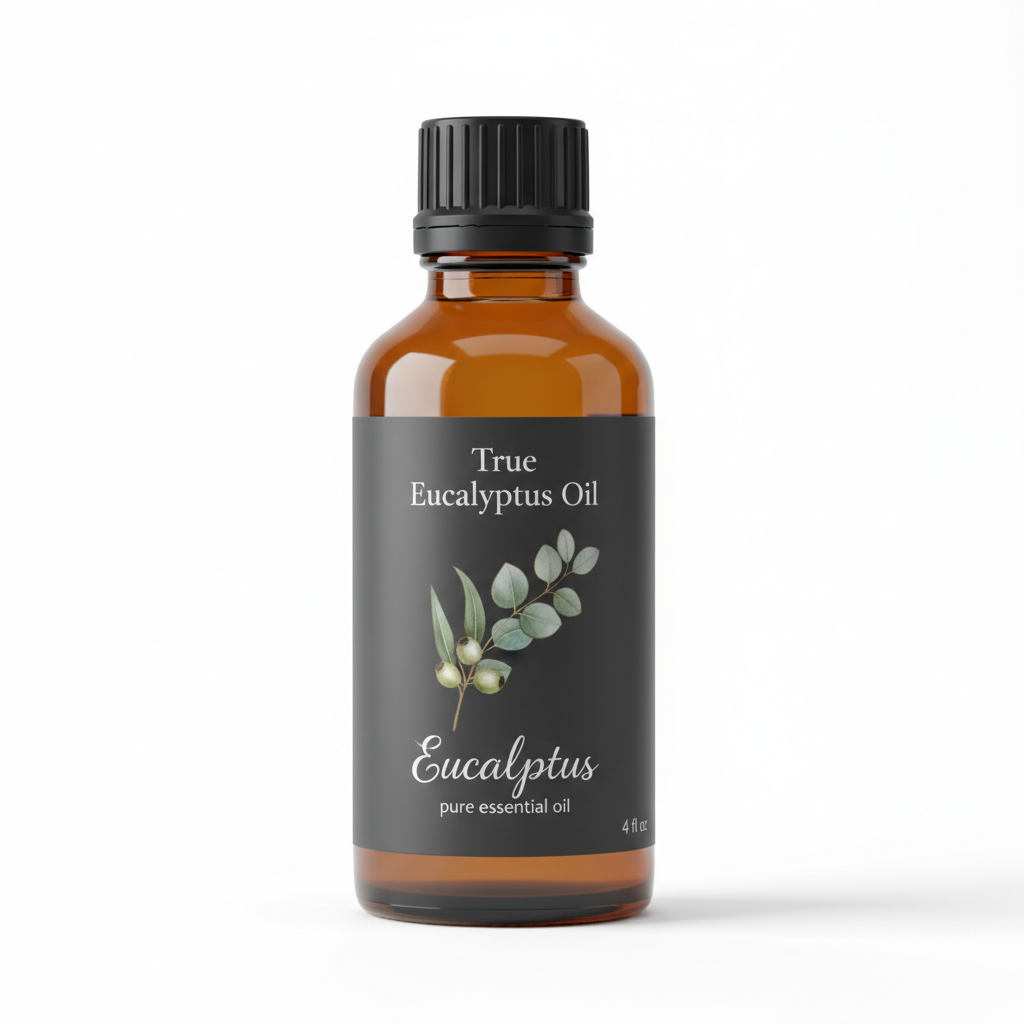
Eucalyptus Essential Oil
Our own Eucalyptus Essential Oil, in sizes from 0.5 oz to bulk.
From $9.99
Shop Now →Start with what the agencies recommend
The CDC's bed bug page makes two points worth knowing. Bed bugs are not known to spread diseases to people, though bites can itch and cost you sleep. And if you suspect an infestation, it advises contacting a pest control company experienced with bed bugs. The EPA adds that it has registered more than 300 products for use against bed bugs, and that it reviews safety and effectiveness data before approving them. An essential oil sold for aroma carries no such registration, and we do not sell ours as a pest product.
What the lab work on plant compounds shows
Researchers are curious about plant chemicals, and some of the results are genuinely interesting. In a 2019 study in Scientific Reports, a team at Purdue tested 15 plant compounds on adult male bed bugs from a laboratory strain, using both a dab applied to the insect and a fumigant test in sealed jars. Eucalyptol was in the lineup, but carvacrol and thymol (the main aroma compounds of oregano and thyme) were the standouts, and the synthetic insecticides used for comparison were vastly more potent than any of the plant compounds.
Just as important is how those tests were run. The compound went straight onto the insect in a solvent, or into a small closed jar for a day. That is a long way from a bottle on a nightstand or a few drops in a diffuser, and the authors framed the work as a step toward developing insecticide ingredients, not as advice for shop-bought oil.
Does the smell keep them away?
A second group tested behavior rather than mortality. In a 2021 paper in Insects, bed bugs were given a choice between treated and untreated surfaces, and later a warm blood source behind a treated paper band. Some compounds, geraniol and eugenol among them, were avoided in the choice test. Yet the researchers concluded that little protection against bites can be expected when such products are placed near a sleeping host, because only one compound reduced feeding at all. Eucalyptol was not among those tested, so we can only reason from the closest work available: if compounds that repelled in a dish did not stop feeding, a pleasant eucalyptus aroma in the bedroom is unlikely to do better.
The most promising plant product, in context
The strongest result for a plant-based product comes from a field trial of a commercial spray built on geraniol and cedar oil with a surfactant. It was used in 24 infested apartments in New Jersey, and bed bug counts fell by roughly 92% over twelve weeks, about the same as with a conventional spray. Yet the authors report that bed bugs were eliminated from only 22% of the treated apartments, whichever spray was used. Eucalyptus was not part of it. The takeaway we draw is that a formulated, tested product can do real work, and that it is a very different thing from a few drops of oil.
Why the folklore sticks around
It is easy to see why eucalyptus shows up in these stories. The scent is strong, and anything with a strong scent feels like it must be doing something. A room that smells sharp and clean feels like a room that has been dealt with. But a smell is a feeling for us, not a measure of what is going on in the mattress seams. Having a problem like this is stressful, and the pull to try the quick, pleasant-smelling fix is completely understandable. We just want you to put your effort where it counts.
So where does eucalyptus fit?
Where it has always fit: as an aroma. If you want the fresh, camphor-clean note of eucalyptus in a room, that is what our five oils are for, and we describe uses like a diffuser or shower steam. If you are dealing with bed bugs, our suggestion is practical and short: have the insect identified, since a pest professional or county extension office can confirm what you have, then follow the EPA's route of registered products used exactly as labeled, or bring in the professional the CDC recommends. We sell an external cosmetic oil, so we leave pest control to the people who do it for a living.
A word on household safety while you are at it. Keep any essential oil out of the reach of children and pets, and do not spray oil mixtures across bedding. The ASPCA lists eucalyptus as toxic to dogs, cats and horses. Our guides to spiders and ants, fleas on pets and dust mites take the same evidence-first approach, and our OLE explainer covers the one eucalyptus-derived repellent that carries an agency registration. For a broader sweep, see Eucalyptus Oil Myths Checked.
Our own recommendation is to keep eucalyptus in its happy place. Use it where you want a fresh, leafy scent, and give the bug question to someone whose job it is. When the problem has been dealt with, a little eucalyptus in a clean, airy room is a lovely way to mark the end of it.
Enjoy eucalyptus for what it does beautifully, and let a licensed professional handle the bugs.
Eucalyptus Essential Oil
Eucalyptus Essential Oil from our own shop, in sizes from 0.5 oz to bulk.
From $9.99
Shop Now →Sources & Further Reading
- About Bed Bugs | Bed Bugs | CDC
- Pesticides to Control Bed Bugs | US EPA
- Toxicity and neurophysiological impacts of plant essential oil components on bed bugs (Cimicidae: Hemiptera). Gaire et al., Scientific Reports, 2019
- Behavioral Responses of the Common Bed Bug to Essential Oil Constituents. González-Morales et al., Insects, 2021
- Efficacy of an Essential Oil-Based Pesticide for Controlling Bed Bug (Cimex lectularius) Infestations in Apartment Buildings. Wang, Singh and Cooper, Insects, 2014
- Toxic and Non-toxic Plants: Eucalyptus | ASPCA