Eucalyptus Oil vs Vapor Rub: What Is the Difference?
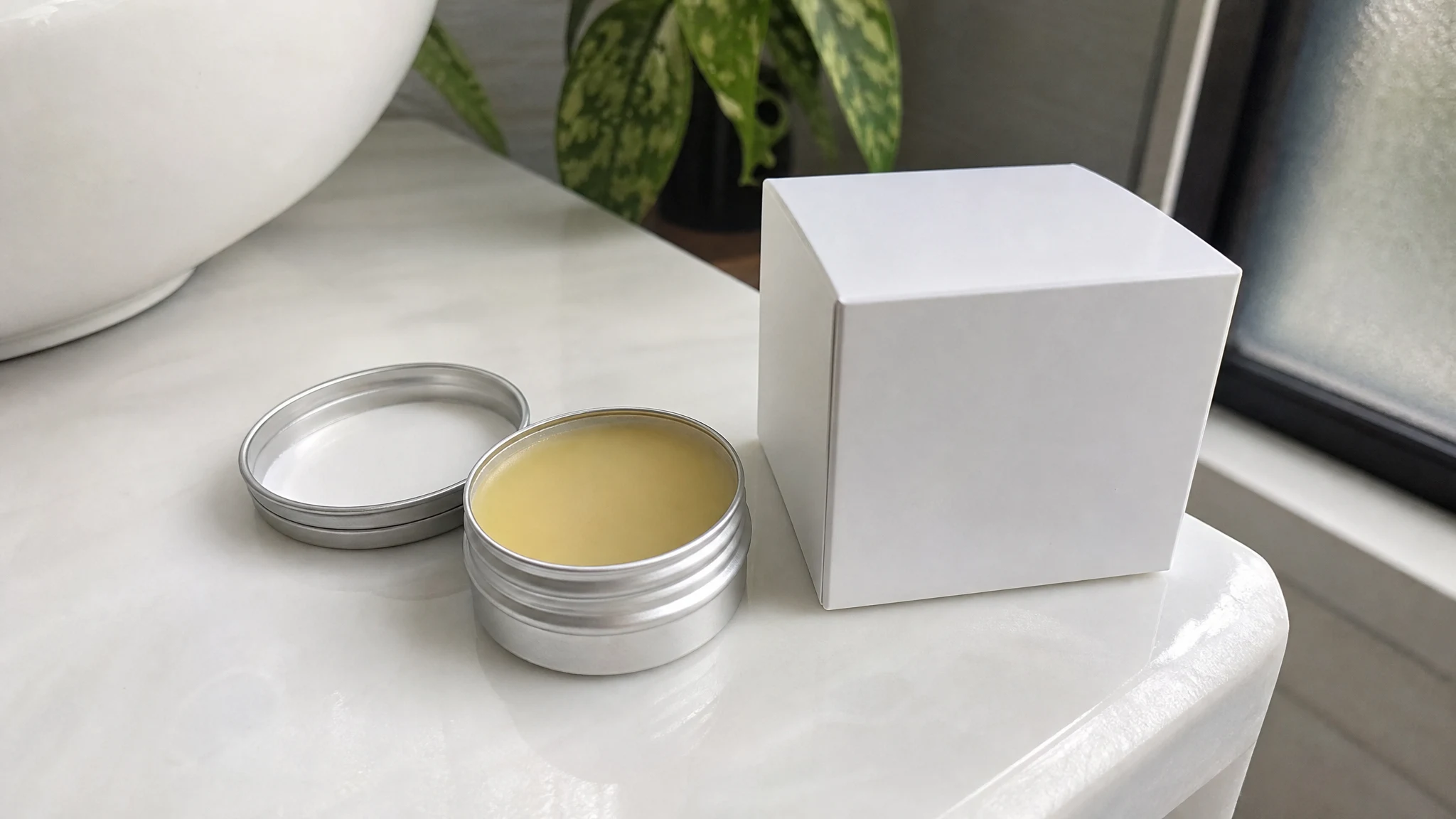
Open a jar of vapor rub and a bottle of eucalyptus oil side by side and the smell might seem to say they are cousins. They do share one ingredient, but they are very different things, and the easiest way to see it is to read the label on the jar. We sell eucalyptus oils and no rubs, so this is a friendly look at what each one actually is.
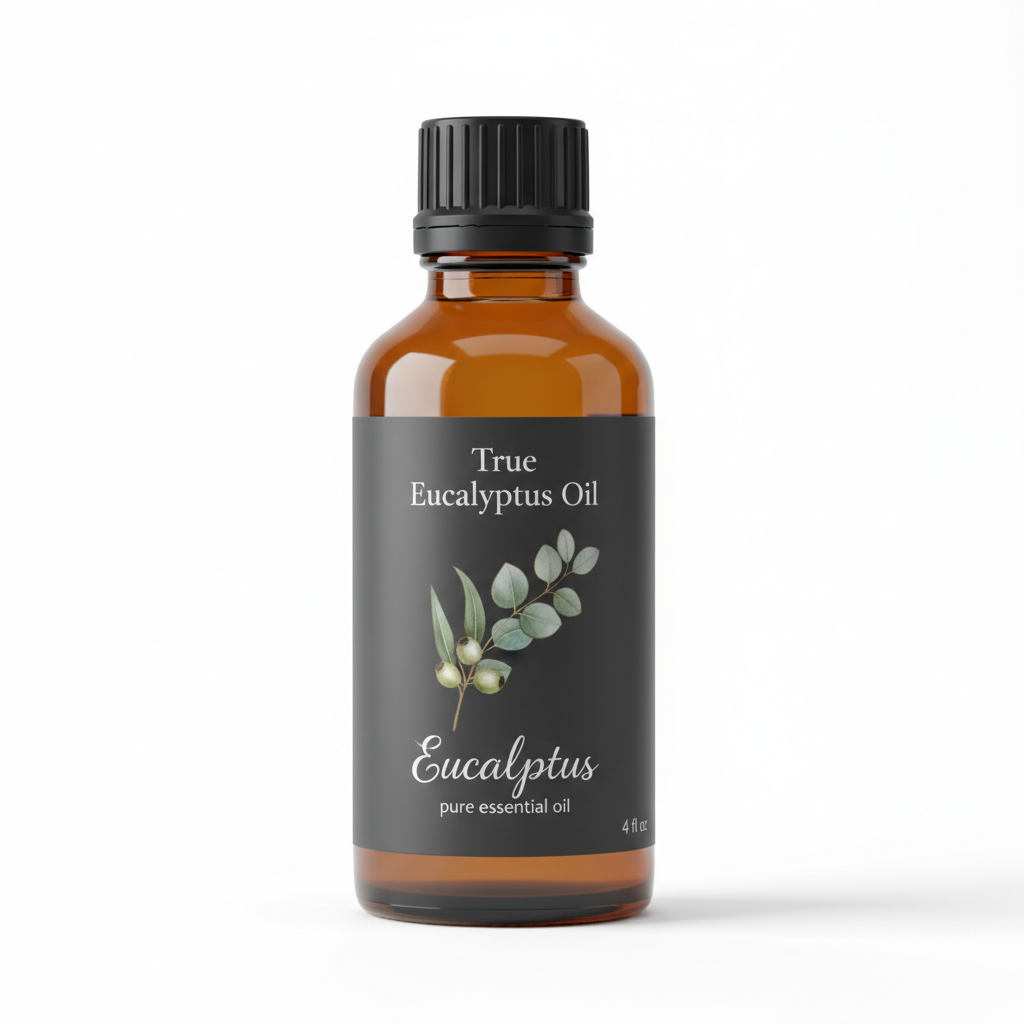
Eucalyptus Essential Oil
Our own Eucalyptus Essential Oil, in sizes from 0.5 oz to bulk.
From $9.99
Shop Now →What is in the jar
The DailyMed listing for Vicks VapoRub, filed as an over-the-counter drug, lists three active ingredients per the label: camphor (synthetic) at 4.7%, menthol at 2.6% and eucalyptus oil at 1.2% (DailyMed - VICKS VAPORUB (camphor- synthetic, eucalyptus oil, and menthol ointment). The rest is a petrolatum base with cedarleaf oil, nutmeg oil, thymol, turpentine oil and fragrance. So eucalyptus is the smallest of the three actives, and camphor carries nearly four times as much weight as the eucalyptus does.
That matters for anyone hoping to copy a rub at home. A blend of eucalyptus oil in a carrier is not a copy of the jar, because the camphor and menthol are doing a lot of the work that gives the jar its character, and a rub is a formulated product with a specific recipe. The label for a different product, such as a children's version, can list different amounts, so if you ever quote a percentage, quote it from the jar in your hand.
What a drug label gives you that a bottle of oil does not
The adult label is full of instructions. It names an age floor (children under 2 years: do not use), how often it may be applied, where it must not go (nostrils, wounds, damaged skin), and when to stop and see a doctor. It also says not to heat it, microwave it or add it to hot water, because that "may cause splattering and result in burns." Those directions follow a federal monograph for topical products of this kind (21 CFR § 341.74 - Labeling of antitussive drug products).
A bottle of essential oil takes a different road. The FDA says a product intended only to cleanse or beautify is a cosmetic, while one intended for a therapeutic purpose is a drug, and that being plant-derived does not exempt it from drug rules (Aromatherapy). That is why our pages describe scent and diluted skin use and make no claims about conditions, and why a rub's label can say things ours cannot. The jar went through the drug route. Our oils did not.
A quick bit of arithmetic
Here is a comparison we find interesting. Our dilution guidance is 0.5% to 2% in a carrier oil. If you treat a carrier as roughly 1 g per ml, which is an approximation, that is about 5 to 20 mg of oil per gram. The jar's eucalyptus content, 12 mg per gram, lands right in that band. On eucalyptus alone, then, a 1.2% homemade dilution and the jar are in the same neighbourhood.
But the percentage is not the whole story. The jar also carries camphor and menthol, and it comes with a dose instruction and a regulator behind the wording. A bottle of neat oil comes with your dropper. Droppers vary (about 20 drops to the ml is a rough working figure), which is why we say to weigh when it matters, and why neat oil never goes straight onto skin.
Where the safety data points
Eucalyptus oil is the essential oil most often involved in poison-centre calls. A review from the NSW Poisons Information Centre counted 4,412 essential-oil exposures between July 2014 and June 2018, 63% of them in people under 15, and eucalyptus oil accounted for 46.4% of the calls (Essential oil poisoning calls on the rise, children most affected - The University of Sydney). It tells you about one country and one four-year window, not a dose, but it explains why we say to keep every bottle capped and out of reach.
Camphor has its own record in children. A 2009 case series described three toddlers with seizures after exposure to imported camphor products, two by swallowing and one by repeated rubbing on the skin (A cluster of children with seizures caused by camphor poisoning). Those were not the product on a pharmacy shelf, and the paper does not say they were. But they show why a "homemade rub for a toddler" is a question for a pediatrician and never a recipe. We advise that high-cineole oils are not appropriate for babies and young children and should stay away from an infant's face.
Two different smells, too
Hold the two under your nose, one after the other, and the difference is easy to pick up. The jar smells of a blend, with the minty and camphor notes sitting on top of a heavy, waxy base. A bottle of eucalyptus oil smells like leaves: green, clean and a little bright, with whichever personality your species brings. If you love the nostalgic smell of the jar, do not expect a bottle of oil to reproduce it. If you love the smell of a eucalyptus leaf crushed between your fingers, a bottle of oil will feel much closer to home.
Which one for which question
- You want to know what to put on a cough, congestion or aches: ask a pharmacist or physician and read the label of an over-the-counter product. Our oil is not the answer to that question. Our piece on cough looks at what researchers have studied.
- You have a child under 2: the rub's label says not to use it, and a pediatrician is the person to ask about anything else. See our note on babies.
- You want the fragrance in a room, or a diluted blend you control: that is where our oils belong. Start with the dilution guide.
- You are curious about making your own balm: our chest rub formulation is a cosmetic formulation, not a drug.
In short, the jar is a labelled product with a stated strength and a stated age floor, and a bottle of eucalyptus oil is an aroma material you dilute yourself. Enjoy each for what it is.
Eucalyptus Essential Oil
Eucalyptus Essential Oil from our own shop, in sizes from 0.5 oz to bulk.
From $9.99
Shop Now →Sources & Further Reading
- DailyMed - VICKS VAPORUB (camphor- synthetic, eucalyptus oil, and menthol ointment, National Library of Medicine
- 21 CFR § 341.74 - Labeling of antitussive drug products, Legal Information Institute
- U.S. Food and Drug Administration, "Aromatherapy"
- The University of Sydney, "Essential oil poisoning calls on the rise, children most affected"
- Khine H et al., "A cluster of children with seizures caused by camphor poisoning", Pediatrics, 2009