Does Eucalyptus Oil Repel Spiders and Ants?
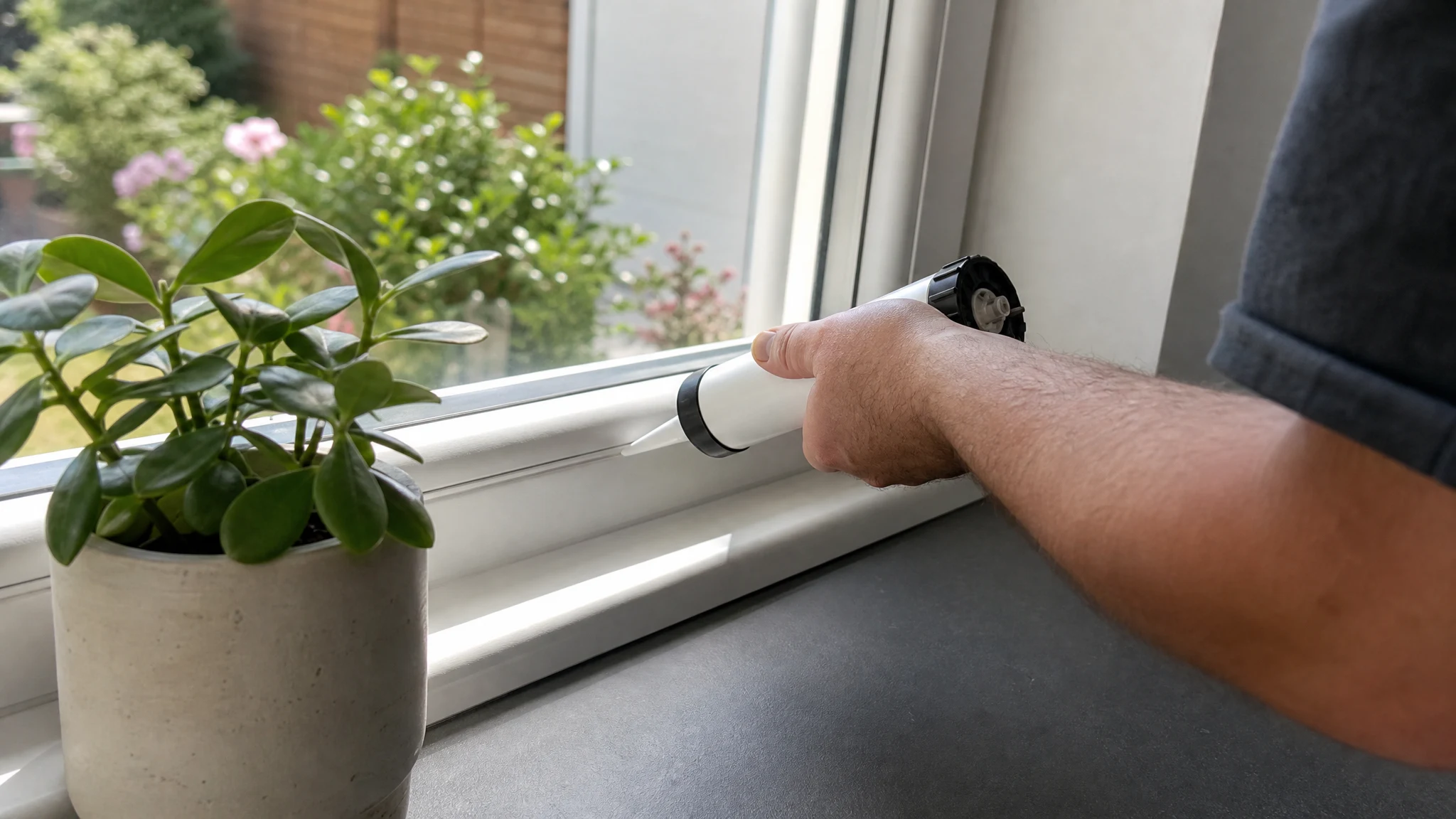
The most effective thing you can do about spiders and ants in the house costs a few dollars and has no scent at all: a tube of caulk. University pest specialists put sealing, cleaning and vacuuming at the top of the list, and the research on eucalyptus oil, once you look at it, backs that up.
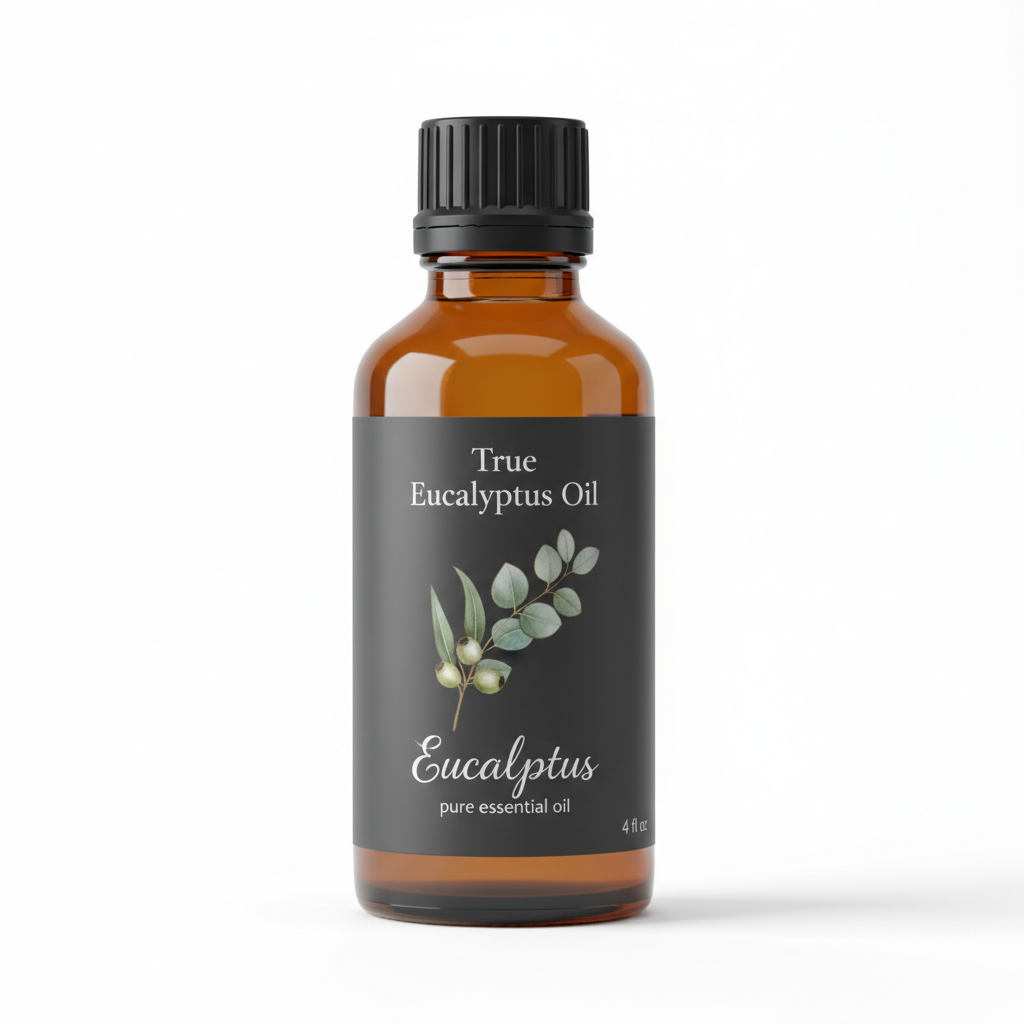
Eucalyptus Essential Oil
Our own Eucalyptus Essential Oil, in sizes from 0.5 oz to bulk.
From $9.99
Shop Now →What the extension entomologists say
For ants, the University of California’s pest guidance says to clean up invading ants with a sponge and soapy water as soon as they come in, which removes the scent trail they leave, then to find where they are entering and seal it with caulk. It says outdoor baits are the key tool and the only type of insecticide recommended in most situations, and that spraying ants indoors with pesticides will not prevent more ants from entering (UC IPM, Ants).
For spiders, the same program recommends sweeping, mopping and vacuuming regularly, vacuuming up spiders and their webs, keeping clutter off the floor, and making sure doors and screens seal well to keep out spiders and the insects they prey on (UC IPM, Spiders). Neither page makes a case for a scent as a barrier. If an infestation keeps returning, a licensed pest professional or your local extension office is the next call.
What laboratory tests found
Scientists have tried essential oils as ant barriers. In a 2007 study, Argentine ants and red imported fire ants crossed barriers treated with basil, citronella, lemon, peppermint or tea tree oil less often than control barriers. Eucalyptus oil did not prevent movement of either species at any of the rates tested (Wiltz, Suiter and Gardner, 2007). That was in a laboratory with two species, one of which is an outdoor Southern pest, so it is a data point and not a verdict on kitchen ants.
For spiders, a 2018 study tested the substances most often named online as repellents, lemon oil, peppermint oil and chestnut fruit, on females of three spider species in a two-choice dish. Mint oil and chestnuts strongly repelled two of the species, while lemon oil, the most often cited, had no effect on any of them, which led the authors to call lemon oil as a spider repellent a myth (Fischer, Ayasse and Andrade, 2018). Eucalyptus was not part of that study. The lesson is a handy one: confident claims online about scent and pests deserve a look at the actual test.
Ants and spiders tend to turn up when the weather changes or a window stays open, so a seasonal check of your seals and screens is a good rhythm to adopt. Do it once in spring and once in autumn, and note anything you want to fix on a list on the fridge.
A quick walk around your home
The advice above is easy to turn into a short walk through your house. Start at the doors: do they close tightly, and do the screens fit? Look along the baseboards and around windows and pipes for small gaps that a tube of caulk could close. Check the floors for clutter that gives spiders a place to settle, and give corners a regular pass with the vacuum. In the kitchen, wipe up crumbs and sticky rings promptly and clean any trail with soapy water on a sponge. It is not glamorous, but it is the part that works, and it is satisfying to finish.
How to read a confident claim
The two studies above are a useful lesson in how to read pest claims anywhere. Ask what exactly was tested, on which insect, in what setting, and whether eucalyptus was in the test at all. When the answer is "a laboratory dish" or "not tested," a confident headline is on shaky ground. Reading the actual study takes a few minutes and saves a lot of disappointment.
Enjoying the scent once the work is done
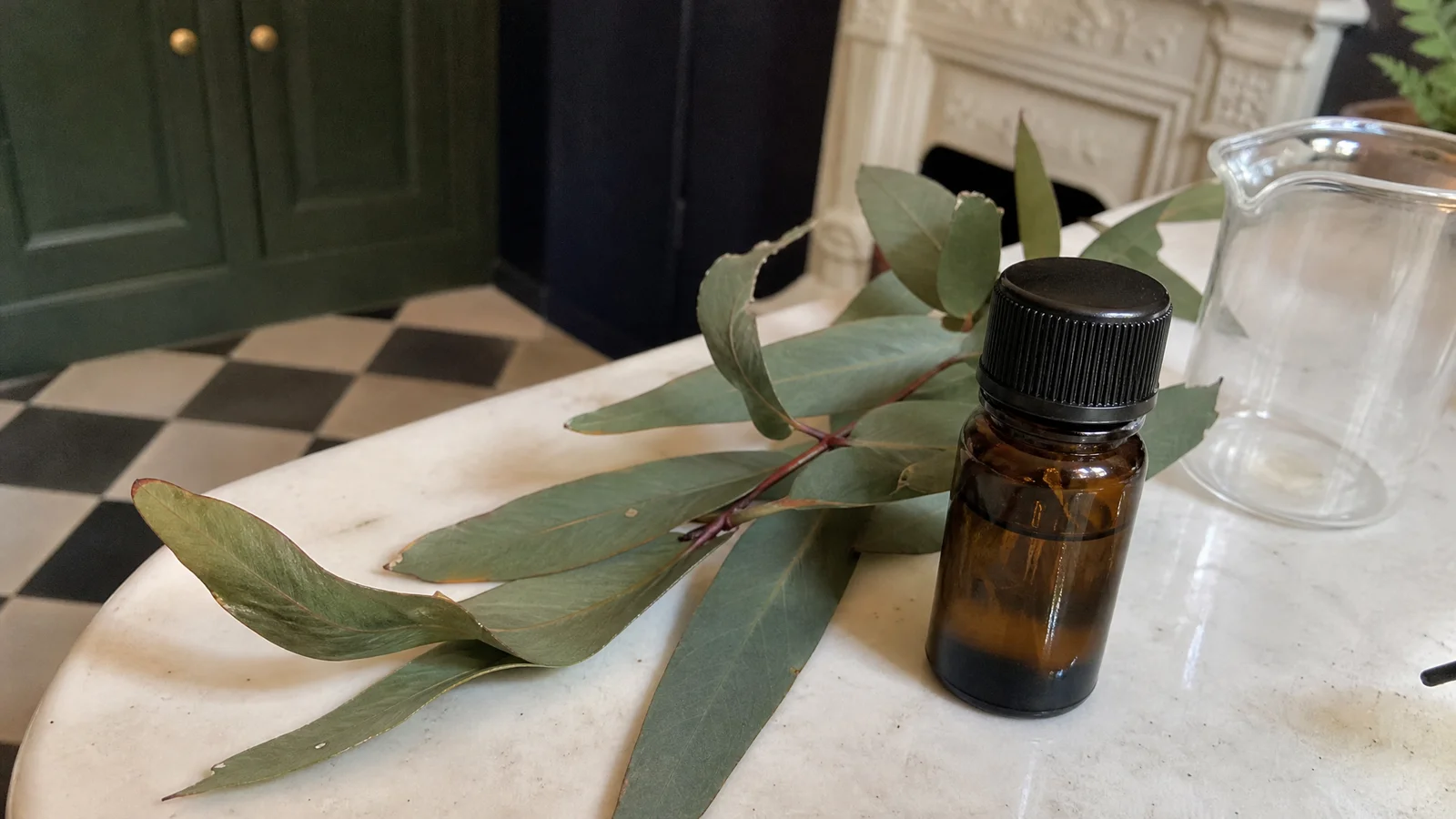
Once the sponge, caulk and vacuum have done their jobs, a fresh-smelling room is a pleasure in its own right. A little eucalyptus in a diffuser can make a clean room feel finished, the way an open window does. Pick the species by the aroma you like: globulus for a crisp, camphor-fresh note, radiata for something softer, or lemon eucalyptus for a bright, lemony one. Just keep the oil and any diffuser out of reach of pets, as covered below.
Where our oils fit
Our five eucalyptus oils are for fragrance and craft use. We hold no pest-control registration for them and make no claim that they repel or remove spiders, ants or any other insect. If you like a eucalyptus aroma in a room, that is a fine reason to enjoy it, and our guide to what eucalyptus smells like helps you choose one. Our post on household pests covers the wider claims, and our explainer on oil of lemon eucalyptus sets out how that registered repellent ingredient differs from the essential oils we sell.
If you do use a scent near a doorway, think about who else shares the house. The ASPCA says cats are especially sensitive to essential oils and does not recommend using any in areas where pets have access unless they are supervised or your veterinarian approves (ASPCA). Our posts on cats and surfaces to avoid are worth a read before you put neat oil on plastic, paint or stone.
So reach for the sponge, the caulk gun and the vacuum first, and keep the eucalyptus for what it does best, which is smelling wonderful.
Eucalyptus Essential Oil
Eucalyptus Essential Oil from our own shop, in sizes from 0.5 oz to bulk.
From $9.99
Shop Now →Sources & Further Reading
- Ants / Home and Landscape / UC Statewide IPM Program (UC IPM)
- Spiders / Home and Landscape / UC Statewide IPM Program (UC IPM)
- Deterrency and Toxicity of Essential Oils to Argentine and Red Imported Fire Ants (Hymenoptera: Formicidae) (Wiltz et al., Journal of Entomological Science, 2007)
- Natural Compounds as Spider Repellents: Fact or Myth? (Fischer et al., Journal of Economic Entomology, 2018)
- Pet Poisons: Be Mindful of these Household Products and Cleaning Agents | ASPCA