Eucalyptus Oil in the Bath: How to Disperse It Safely
Picture the usual bath scene: a few drops of eucalyptus oil, a swirl of the hand, and the room fills with a cool, fresh scent. What you cannot see is a thin film of undiluted oil riding on the surface, waiting for you to climb in. The fix is simple and takes about a minute, and it is the difference between a lovely soak and a stinging one.
Eucalyptus Essential Oil
Our own Eucalyptus Essential Oil, in sizes from 0.5 oz to bulk.
From $9.99
Shop Now →Why a drop in the tub does not behave
The Tisserand Institute puts it plainly: essential oils are not water soluble, so oil poured into a bath forms a film on top, much of it ends up on your skin as you get in, and because the water warms the oil and the oil cannot evaporate, it often stings. The Institute's answer is a single word, disperse. The oil needs a partner that carries it through the water before it goes in, and which partner you choose changes how the bath feels.
What carries the oil, and what only looks like it does
Several familiar bath habits do not work, and Tisserand explains why. Milk, whether dairy or plant, is a fat-in-water emulsion that lets go of the oil. Epsom salt and table salt dissolve and leave the oil floating. Baking soda and cornstarch do the same. These feel right because the oil seems to vanish into the powder, but the moment they meet water the oil is released back onto the surface.
The options that do hold the oil are quite ordinary:
- A foaming base such as baby shampoo or shower gel. The Institute notes that off-the-shelf products were not designed for added oils, so mix only the amount you will use right away.
- A carrier oil such as fractionated coconut or jojoba. The oil is safely diluted, but the whole mixture floats, so the tub becomes a little greasy and slippery.
- A dispersant such as Solubol or polysorbate 20, used at the maker's ratio, which spread the oil through the water itself.
- Modified tapioca starch made for baths, which dissolves and releases the oil into the water. Regular tapioca starch does not do this.
We sell eucalyptus oil only, not bases, carriers or dispersants, so you will find those at a soap or craft supply shop or the pharmacy. Our carrier oil guide helps you choose among them.
How much oil goes in
Our oils are sold neat, so the arithmetic is yours to do. Our guidance for skin is 0.5% to 2% in a carrier. A tablespoon of base is about 15 ml, and at roughly 20 drops to the millilitre, which is a convention that varies with the dropper, that works out to about one to six drops per tablespoon. We suggest starting at the low end and staying inside that range even though some published bath guidance runs higher.
Species matters here. We sell five eucalyptus oils from five species, and their makeup is quite different. Globulus is the cool, camphor-fresh classic, while lemon eucalyptus is lemony and citronella-like, so a figure suited to one is not automatically right for another. Check the published IFRA or Tisserand guidance for the particular oil you use, and use our dilution walkthrough as your starting point.
A sink test before the tub
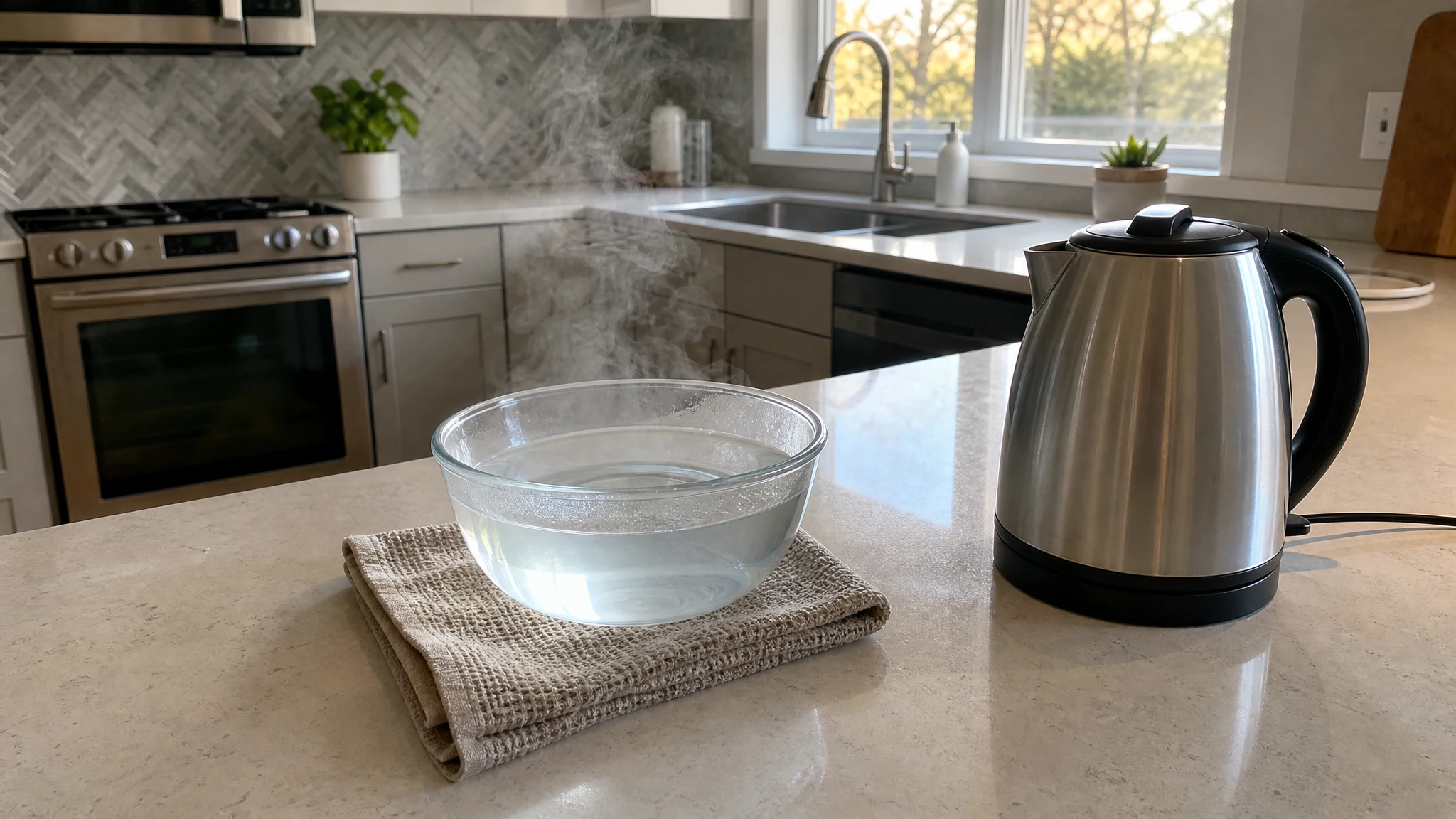
Here is a cheap habit worth adopting: mix your dispersed oil into a sink of warm water first and look at the surface. If you can see a film or beads of oil, mix it again or switch partner before you get in. We also recommend a patch test on your forearm with a diluted mix and a 24 hour wait. Stop if you feel burning, rinse with clean water and soap, and call 1-800-222-1222 if anyone swallows any of the mix.
Tisserand adds a useful note on timing. Irritation tends to settle within a few hours, and a greater dilution usually prevents it next time, while an allergic reaction can last for days or weeks. A reaction that lingers is a reason to stop and ask a clinician.
Who should sit this one out
A bath keeps you in contact with the water for a good while, so it is a longer exposure than a quick wash. We advise that high-cineole oils are not appropriate for babies and young children and should not be applied on or near an infant's or young child's face, so we would not bathe a small child in a scented tub; see our nursery guide and ask a pediatrician. Poison Control says eucalyptus oil is not recommended during pregnancy or while breast- or chest-feeding. If you have a rash, broken skin or eczema, or you have reacted to fragranced products before, ask a clinician before adding anything to the water.
Two practical points round it out. Check your tub maker's care guide for how oils and dispersants treat acrylic or enamel, and use a mat if your mixture includes carrier oil, since a greasy floor is the other hazard of a scented bath.
Setting up a bath you will actually enjoy
A bath is half the water and half the setting. Run it warm and not scalding, since heat strengthens the scent and makes it feel sharper. Dim the light if you like, put a towel within reach, and mix your dispersed oil into the running water so it spreads as the tub fills. Then sit back and notice how the room smells: a cool, green freshness that tends to hang over the surface of the water.
The steam without the soak
If it is the fresh, spa-like air you are after, you can have it without any oil touching your skin. A few drops on a hot shower floor is our usual suggestion, and we cover it in eucalyptus in the shower. A well-dispersed bath is a lovely extra when you have time, and a small amount in the right base is all it takes.
Eucalyptus Essential Oil
Eucalyptus Essential Oil from our own shop, in sizes from 0.5 oz to bulk.
From $9.99
Shop Now →Sources & Further Reading
- Tisserand Institute. Bath Safety: how to use essential oils safely in the bath. tisserandinstitute.org
- Tisserand Institute. Irritation and allergic reactions. tisserandinstitute.org
- Poison Control. Eucalyptus oil: Is it safe? poison.org