Eucalyptus and Steam: A Safer Shower Ritual
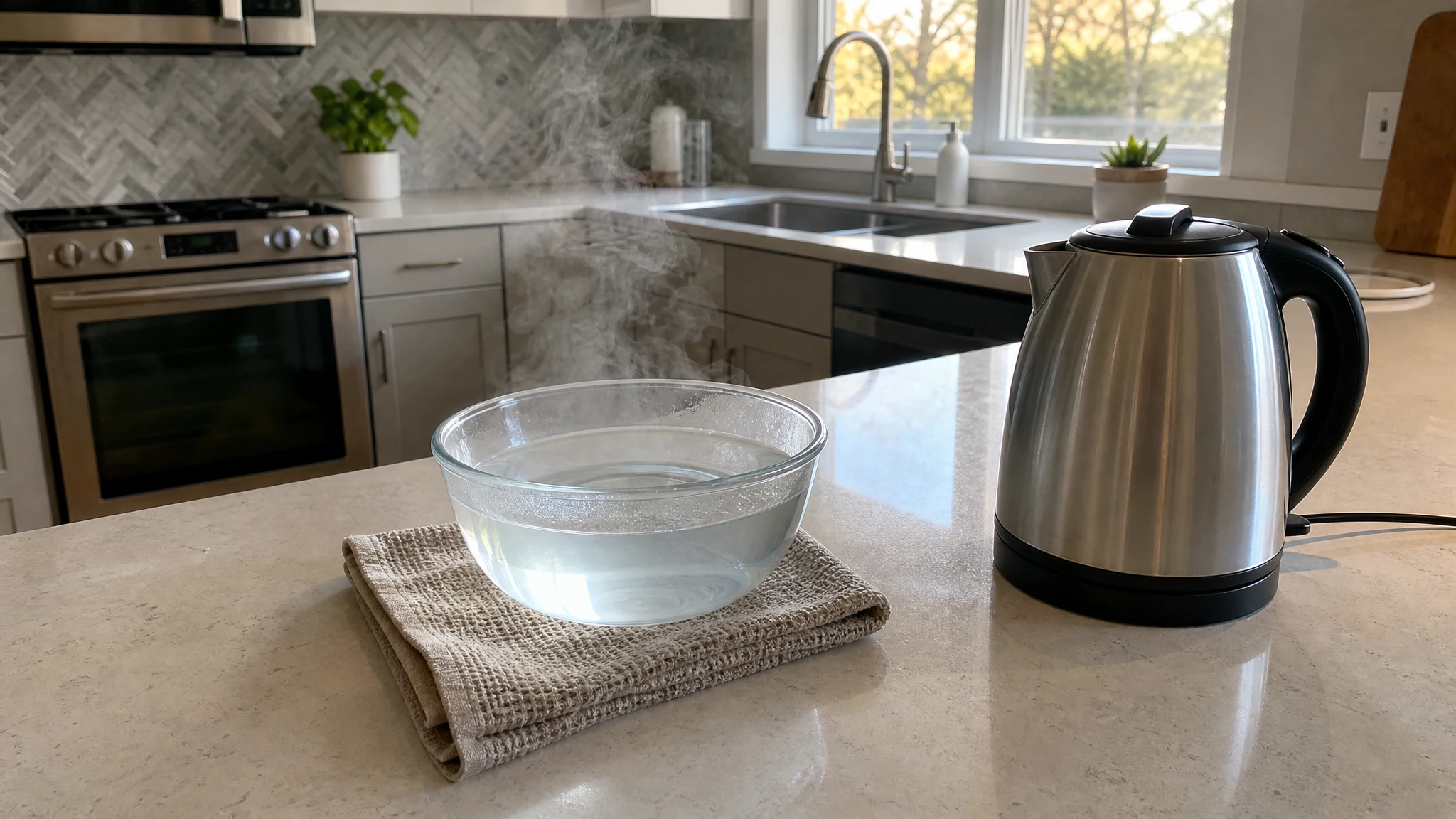
Picture the classic scene: a bowl of just-boiled water on the kitchen table, a towel over your head, a drop or two of eucalyptus in the steam. It looks cosy and it smells wonderful. It is also the one version of the ritual that burn units know well, and there is a much nicer way to enjoy eucalyptus and steam together: a warm shower or a steam room, with the oil on the floor rather than under your chin.
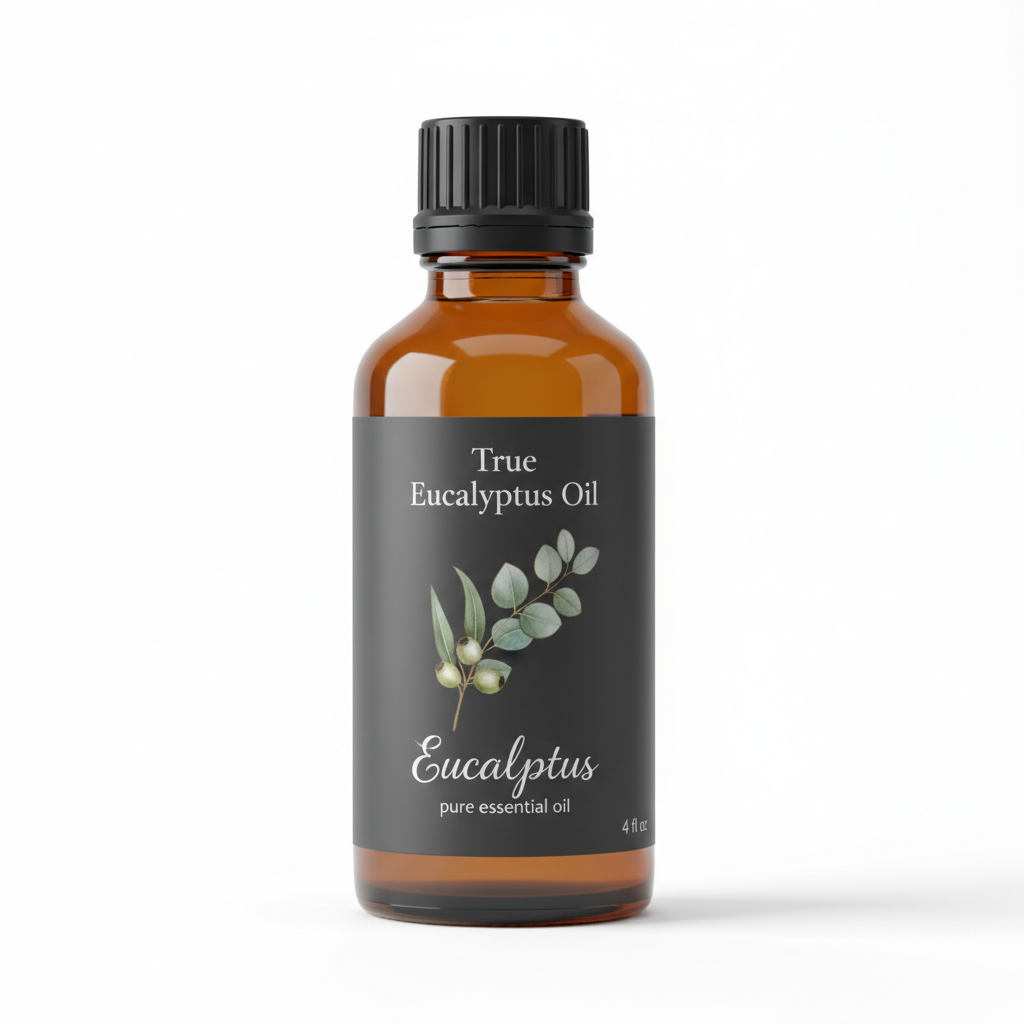
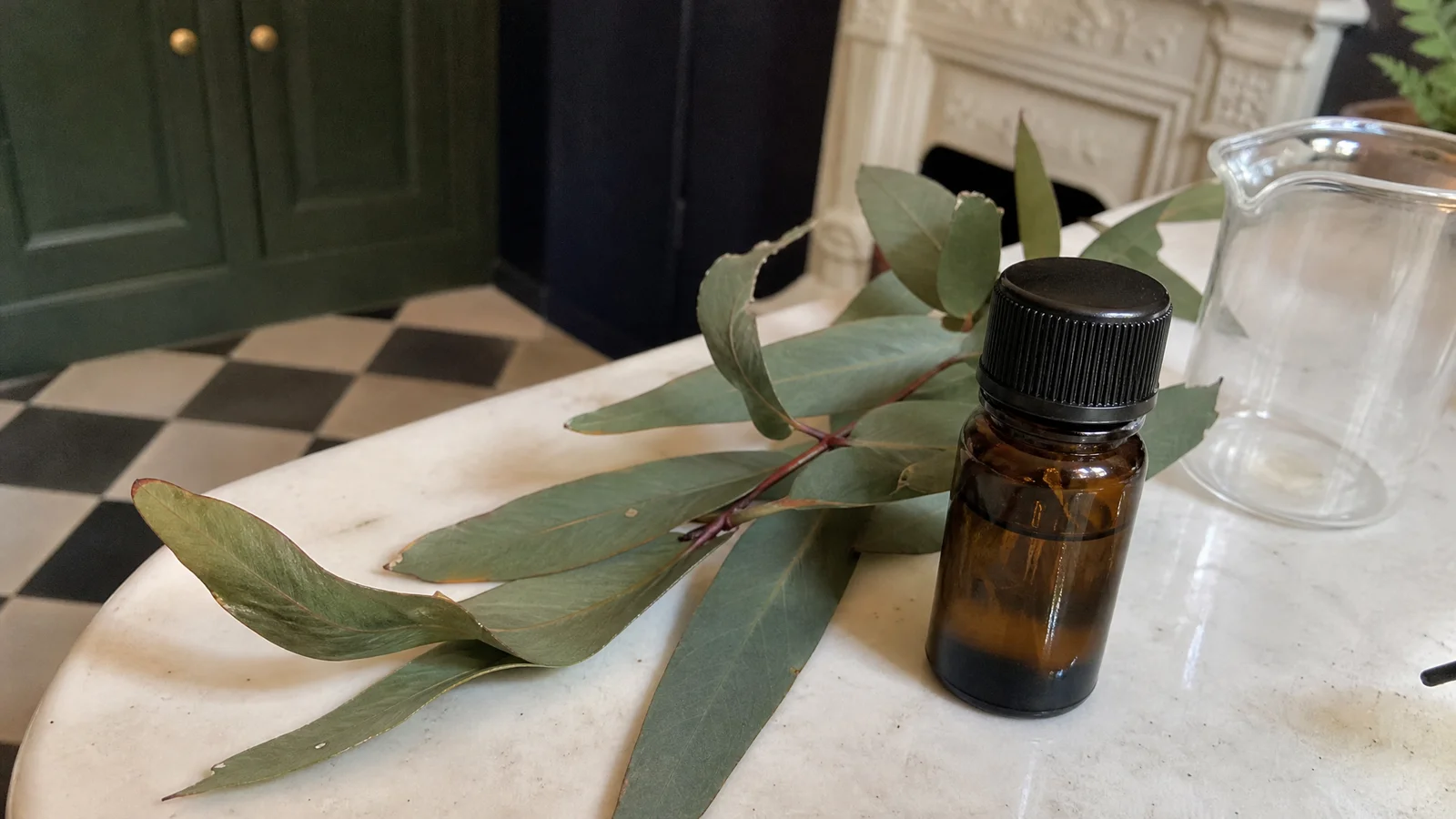
Eucalyptus Essential Oil
Our own Eucalyptus Essential Oil, in sizes from 0.5 oz to bulk.
From $9.99
Shop Now →What the burn units report
Researchers in the Netherlands studied every patient admitted to Dutch burn centres and emergency departments for steam inhalation scalds. They found an average of three admissions a year to the burn centres, most of the victims were children, and the children needed skin grafting more often than adults did. The authors concluded that steam inhalation should be considered a dangerous procedure and dropped from professional guidelines and patient leaflets (Steam inhalation therapy: severe scalds as an adverse side effect). A review from one London burns centre identified 19 patients aged from 2 weeks to 91 years in two years, 84% with burns to the lower body, and found 201 cases nationally over the same period (Steam inhalation: More harm than good? Perspective from a UK burns centre).
Notice where those burns were. Lower-body burns point to a container of hot water being knocked over, not to steam on the face. Our reading, which is reasoning from the findings rather than something the papers state, is that the hazard is the bowl of near-boiling water. Adding an aroma oil does not change that, and it also means the fix is easy.
Does the steam itself do much?
A Cochrane review of heated, humidified air for the common cold pooled six double-blind trials with 387 participants. All of them used one controlled device, and none involved an essential oil. The review found the evidence of relief inconclusive and of low quality overall, with no clear benefit and no clear harm (Heated, humidified air for the common cold). We are a shop that sells an aroma oil, not a remedy, so we say it plainly: steam is a comfort, and our oils are about fragrance.
The shower and steam room version
The NHS takes the same view on the practical side. For a blocked nose it suggests sitting in the bathroom with a hot shower running, and it says not to let children breathe in steam from a bowl of hot water because of the risk of scalding (Common cold - NHS). We like that, and we agree with it as a way to enjoy the scent.
Here is how we would do it:
- Put one to three drops of eucalyptus on the shower floor, away from the drain and out of the direct stream, or on a washcloth set on a ledge. Do not put it on your skin and keep it away from your eyes. This is our suggestion, built on the dilution thinking below, not a prescribed dose.
- Keep a hand on the wall, since an oiled floor is slippery.
- For a steam room, the same few drops on the floor or bench area, never near a heater.
- If you start to cough or your eyes sting, step out into fresh air and skip it next time.
Our globulus is the natural choice here, cool and camphor-fresh. Our guide to eucalyptus in the shower and our sauna and steam room guide have more set-up ideas.
Setting the scene
A little preparation makes the whole thing nicer. Run the water warm, not scalding, and let the bathroom fill with steam for a minute before you step in. Put your drops on the floor in a corner where your feet will not slide, close the door and give the scent a moment to rise. You are aiming for a soft cloud of eucalyptus in the air, not a wall of it, and if it feels strong the moment you walk in, that is a sign to use fewer drops next time.
Why a few drops is plenty
Here is some friendly arithmetic. At roughly 20 drops to the milliliter (droppers vary), one drop is 0.05 ml. In a liter of water, five drops is about 0.025% by volume. Essential oil does not dissolve neatly in water, so the first sniff over a bowl's surface meets a much stronger dose of aroma than the average would suggest. That is another reason to keep your face well away from a bowl, and another reason a few drops on a shower floor go such a long way.
Eucalyptus oil also deserves respect around heat. Oil and an open flame should never share a stove, so if you simmer a pot for fragrance, treat it as a scent project to watch from across the room and never leave unattended.
Little touches that make it feel special
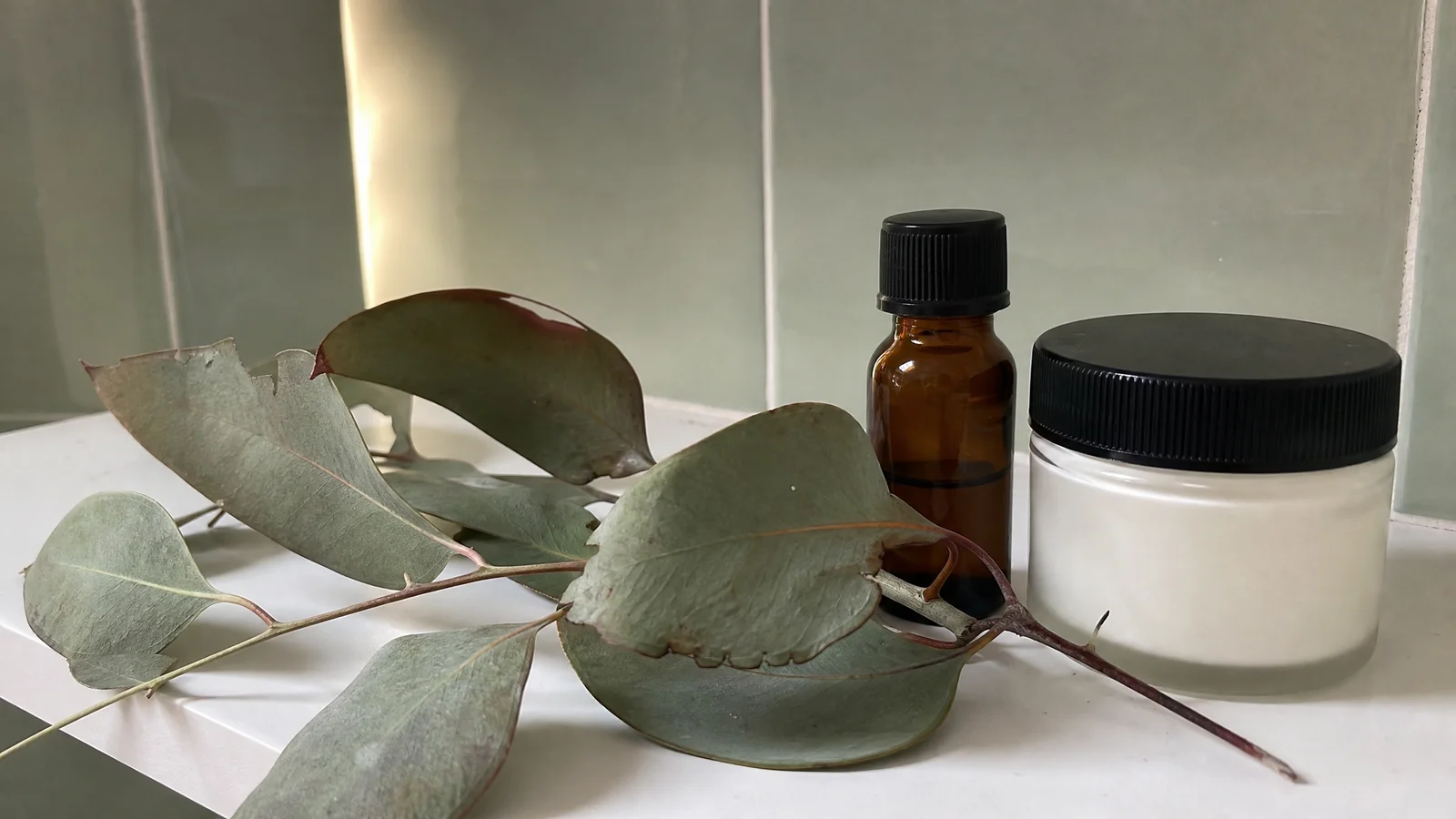
Hang a clean towel where it will stay dry, set out a cup of cool water for afterward, and keep the bottle on a high shelf outside the shower with the cap on. These tiny details are what turn a quick rinse into a ritual. And if you like a bit of green in the room, a few fresh eucalyptus stems tied together and hung from the shower head add a lovely visual touch, though keep them clear of the water jet.
Who should skip it
- Children. We advise that high-cineole oils are not appropriate for babies and young children, that eucalyptus should stay away from an infant's face, and that diffusion should stay light where a small child sleeps. A pediatrician is the person to ask. See our note on babies.
- Anyone with asthma or sensitive airways. Warm vapor and strong scent can both be a lot, so check with your own clinician first. Our asthma piece has more.
- Anyone pregnant, or with pets at home. Ask your obstetric clinician, and for animals a veterinarian.
- Anyone feeling faint or struggling to breathe. That calls for a clinician or emergency services, not a shower.
If someone is scalded, the NHS advice is to hold the burn under cool running water for 20 minutes as soon as possible, and to get urgent help if the burn is large, deep or on the face or genitals (Burns and scalds - NHS).
A few drops of eucalyptus in a warm bathroom is a lovely little ritual, and it is at its best when the water stays where it belongs, in the shower.
Eucalyptus Essential Oil
Eucalyptus Essential Oil from our own shop, in sizes from 0.5 oz to bulk.
From $9.99
Shop Now →Sources & Further Reading
- Baartmans M et al., "Steam inhalation therapy: severe scalds as an adverse side effect", British Journal of General Practice, 2012
- Scarborough A et al., "Steam inhalation: More harm than good? Perspective from a UK burns centre", Burns, 2021
- Cochrane, "Heated, humidified air for the common cold"
- NHS, "Common cold"
- NHS, "Burns and scalds"