Eucalyptus Air Freshener: Gentle Ways to Scent a Room
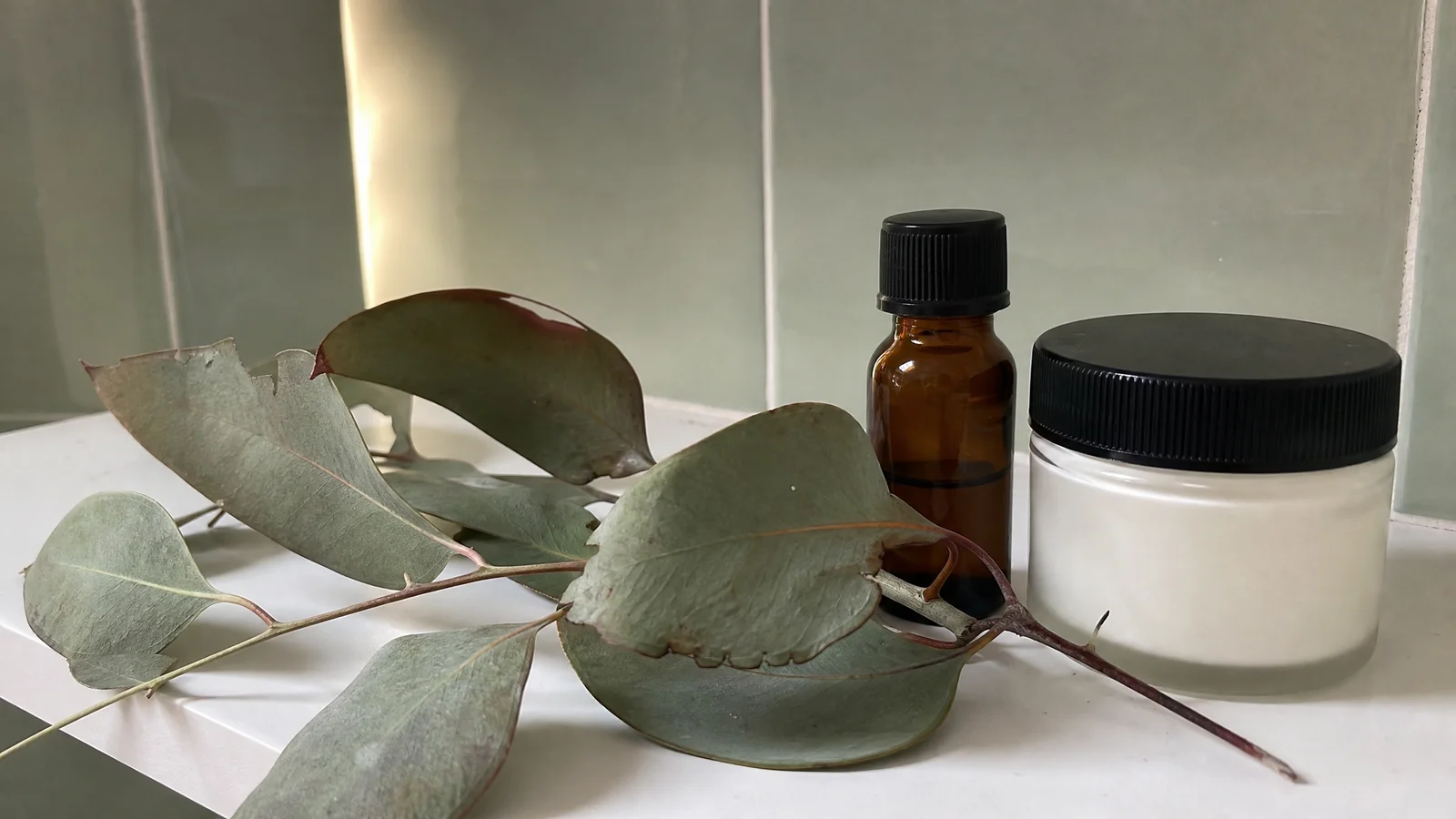
The freshest-smelling room is usually the one with a window open, and eucalyptus is at its best as a small finishing touch on top of clean air, not a replacement for it. If you love that cool, camphor-fresh leaf aroma and want a little of it in a room, a few gentle approaches work well, and a short check beforehand makes sure the room suits it.
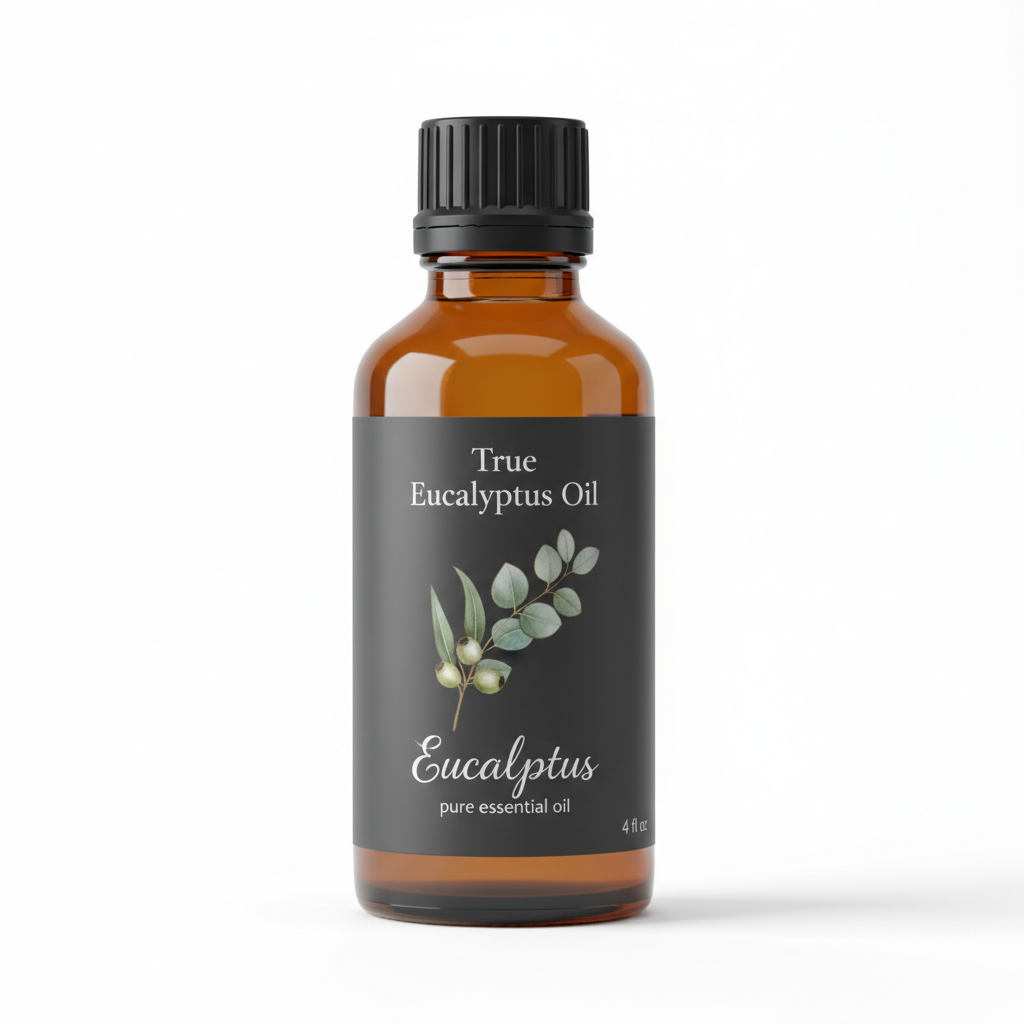
Eucalyptus Essential Oil
Our own Eucalyptus Essential Oil, in sizes from 0.5 oz to bulk.
From $9.99
Shop Now →Start with the people and animals who share the space
Eucalyptus is a strong aroma, and a room is shared by everyone in it. Cats and birds deserve the first thought. The ASPCA says cats are especially sensitive to essential oils and does not recommend using any essential oils in areas where pets have access unless they are supervised or your veterinarian approves. Pet Poison Helpline lists eucalyptus among oils that can cause poisoning and notes that cats and birds are at greatest risk. Neither organisation measured a diffuser or an open dish, so neither can give you a safe distance, which is why your veterinarian is the right person to ask. For our fuller take, see our pages on cats and dogs.
For a nursery, our answer is simple: no freshener. We do not recommend eucalyptus on or near the face of an infant or young child, and we keep scent very light in any room where a small child sleeps. And if someone in your home tends to get headaches or tight breathing around fragrance, that is a conversation for their physician, not a reason to try a different recipe. In a nationally representative US survey of 1,136 adults, 20.4% reported health problems from air fresheners and deodorizers. It was self-reported and exposure was not measured, so it tells us how common the experience is, not what causes it.
Air the room first
Stale rooms usually smell stale for a reason: a bin, damp towels, a slow drain. Remove the source and open a window, and half the job is done. The EPA notes that concentrations of many volatile organic compounds are consistently higher indoors, up to ten times higher, than outdoors, and it lists air fresheners among the sources. Essential oils are volatile, so any scent you add joins that indoor load. That is a good reason to keep amounts small and the room ventilated, and it is the reason we think of eucalyptus as a finishing note rather than the main event.
Four ways to bring it in, lightest first
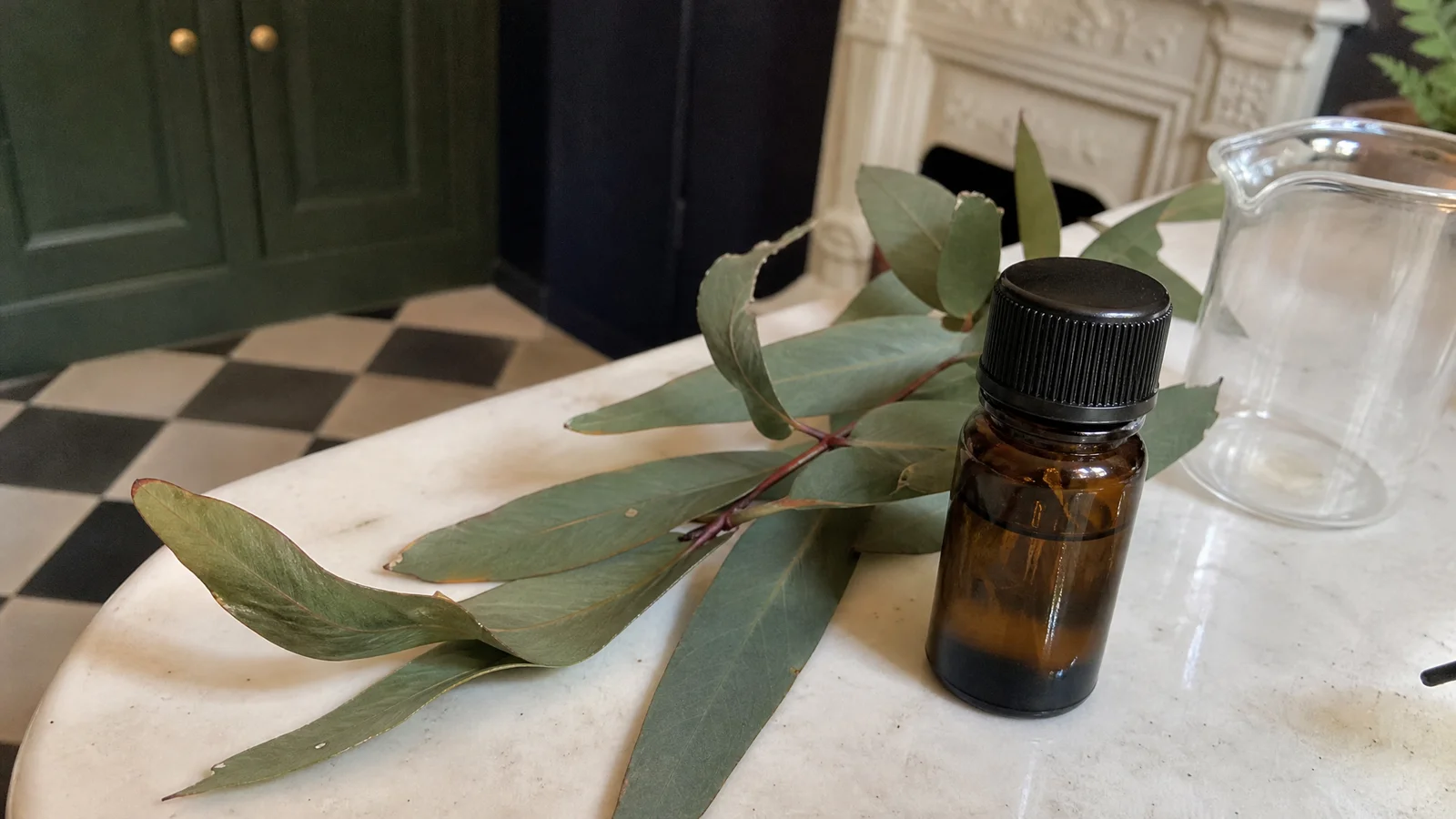
A cotton pad on a saucer. This is the gentlest option, because the oil evaporates slowly and nothing is heated or sprayed. Put the saucer somewhere that a pet or child cannot reach and where it cannot tip onto finished wood or plastic, since concentrated essential oil can mark those surfaces (our article on surfaces to avoid goes through which ones). As a starting suggestion, not a tested figure, two or three drops is plenty, because you can always add more and you cannot take any away.
A car vent pad. One or two drops on a small felt pad is a suggestion for a small closed space, where a little goes a long way. Keep the oil off the dashboard.
A room spray. Oil does not mix with water, so a spray needs a solubilizer or an alcohol base, which you will find at a craft or supply shop along with the bottles. Alcohol-based sprays are flammable, and a fine mist stays in the air longer than an open dish does, so we would put this option last for anyone sensitive to scent.
A simmer pot. We would skip it. Oil floating on a pot over a flame is a fire hazard once the water runs low, and heating changes how much oil reaches the air in a way that is hard to judge.
What you will notice as the scent settles
Eucalyptus is a top note, so it is at its loudest in the first minutes. Walk in, and it greets you. Come back twenty minutes later and it has softened into the background, which is exactly where a room scent should sit. If you find yourself wanting more after it fades, resist the urge to top up right away. Step outside for a few minutes and come back in. Your nose adapts quickly, and what seems to have disappeared is often still there.
Choosing which eucalyptus
We sell five eucalyptus oils, each from a different species, and they are not interchangeable in a recipe. Our globulus is the sharpest and most camphor-fresh, which is the classic spa-steam aroma. Radiata and smithii are softer and rounder, and dives has a minty sweetness. Lemon eucalyptus is bright and citronella-like and skips the camphor edge, so it suits people who want the leafy freshness without the medicinal note. If a recipe calls for a different species than the one you have, the globulus will smell noticeably stronger, so start with even less. You will find the species described in our species guide, and our oils are sold neat, so everything above is arithmetic you do yourself.
A little ritual that works
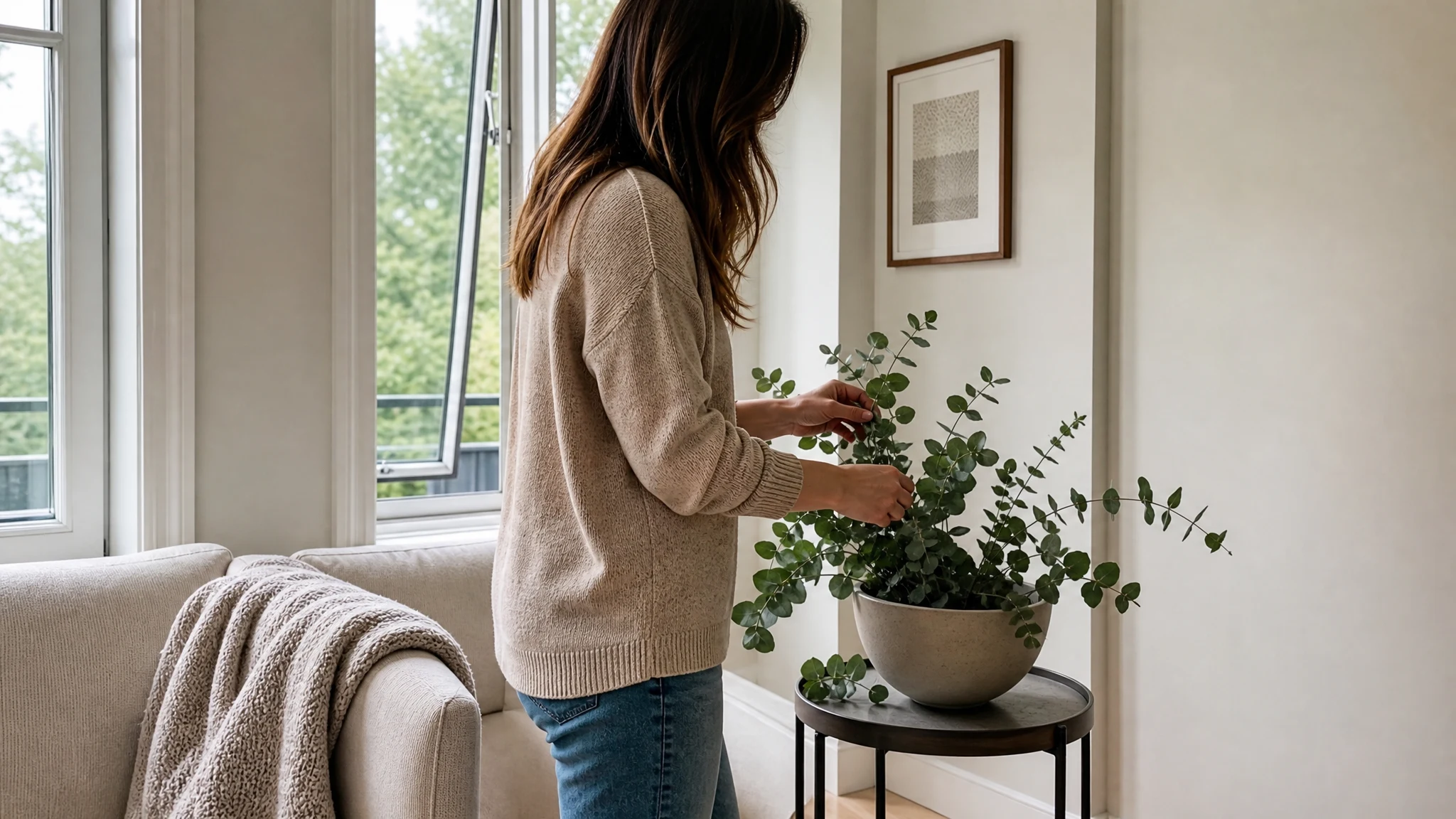
Our suggestion for using eucalyptus in a room is as a finishing touch after cleaning. Open the windows, let fresh air through for a while, then set out one small saucer on a high shelf, well out of reach. The room smells like clean air with a leafy edge, not like a perfume counter. If guests mention it, it is probably just right.
The smallest amount you can just notice when you walk back into the room is the right amount. If it announces itself from the doorway, it is too much, and an open window will fix that in minutes. We sell an external cosmetic oil, so everything here is about scent and not about cleaning or treating the air.
Eucalyptus Essential Oil
Eucalyptus Essential Oil from our own shop, in sizes from 0.5 oz to bulk.
From $9.99
Shop Now →Sources & Further Reading
- ASPCA, Pet Poisons: Be Mindful of these Household Products and Cleaning Agents.
- Pet Poison Helpline, Essential Oils.
- Steinemann A, 2016, Fragranced consumer products: exposures and effects from emissions.
- US EPA, Volatile Organic Compounds' Impact on Indoor Air Quality.