Is Eucalyptus Oil Safe Around Dogs? A Clear Answer
If you share your home with a dog, you have probably wondered whether the eucalyptus bottle on your shelf is something to worry about. The short version: dogs have a little more margin than cats, but that margin is small, and nobody has published a dose of eucalyptus oil that is documented as comfortable for a dog. So we keep our oils, which are made for people, well away from them.
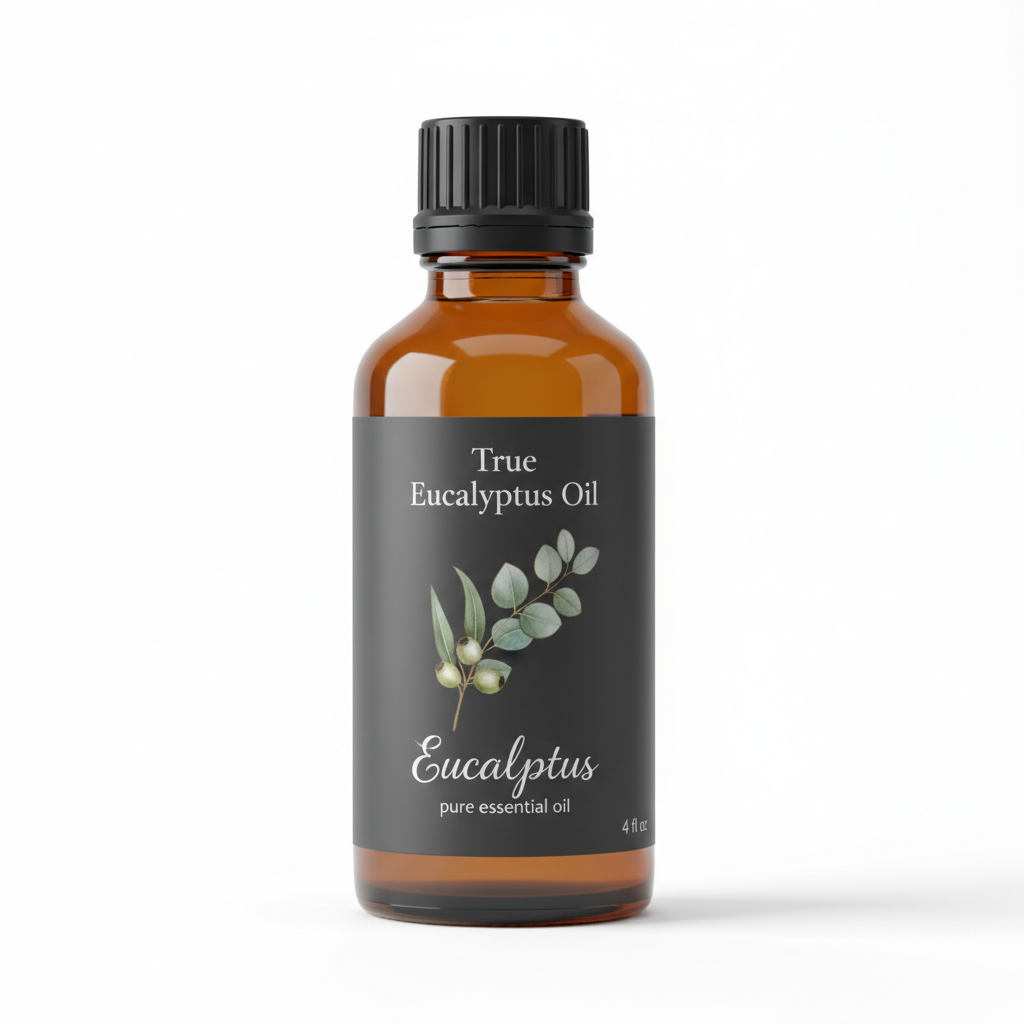
Eucalyptus Essential Oil
Our own Eucalyptus Essential Oil, in sizes from 0.5 oz to bulk.
From $9.99
Shop Now →What the pet poison experts say
The ASPCA lists eucalyptus as toxic to dogs, cats and horses, names eucalyptol as the toxic principle, and describes the signs as salivation, vomiting, diarrhea, depression and weakness. Pet Poison Helpline includes eucalyptus on its list of essential oils that can poison pets, and says signs usually show up within 6 to 8 hours, with the worst cases taking 3 to 7 days to resolve. Both are talking about animals that swallowed oil or got it on their coats. Neither offers a safe amount, and neither pretends one exists.
Pet Poison Helpline adds that cats and birds are at the greatest risk. Dogs rank lower, and lower is not the same as safe.
Why dogs get a bit more room than cats
The best numbers come from an unexpected place: animal feed. In 2023 the European Food Safety Authority reviewed eucalyptus oil as a flavoring in animal feed and set maximum safe levels of 58 mg per kilogram of complete feed for dogs and 10 mg per kilogram for cats. The cat figure is lower in part because cats clear many plant compounds slowly, a point the panel made about their limited capacity for glucuronidation.
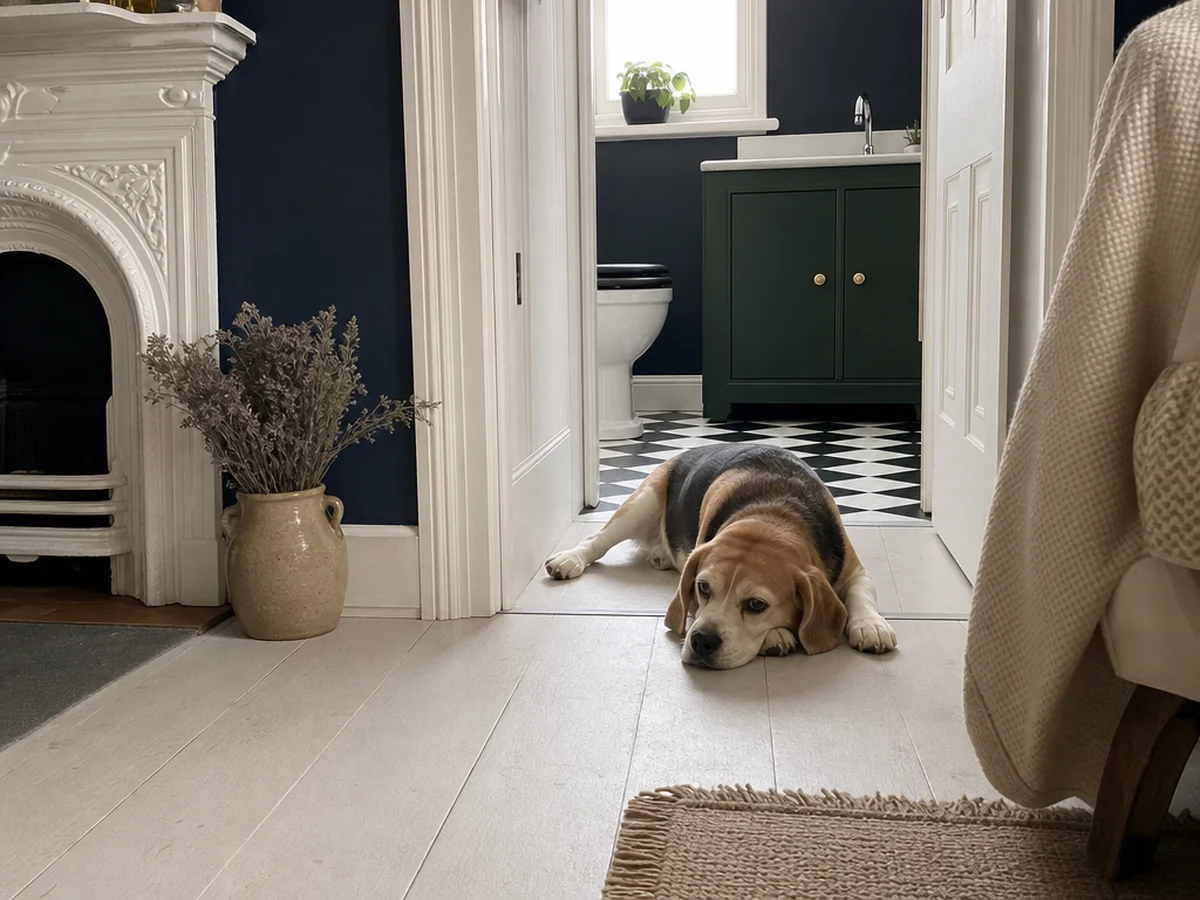
To picture the scale, here is our own arithmetic: at roughly 20 drops to the milliliter, one drop of oil weighs somewhere around 45 mg (assuming a density near 0.9 g/mL, which varies by oil). So the dog allowance works out to about one drop spread through a kilogram of food. It is a feed rule for steady daily intake, not a statement about a drop on a paw, but it shows how little the regulators were comfortable with.
Diffusers and shared air
The ASPCA's guidance on essential oils is that a diffuser run briefly in a secured area your dog cannot get into is not likely to be an issue, and that a pet with a history of breathing problems may be better off without one at all. It also reminds us that a dog's nose is far more sensitive than ours.
Our practical reading: if you enjoy eucalyptus in the air, run it for a short stretch in a room with the door closed, open a window afterward, and let the dog back in once the air has cleared. Keep the diffuser out of tail and paw range. The room where a dog sleeps is the wrong place for an all-day session, and a dog with a cough or a flat face deserves a scent-free home. That last part is our reasoning from the ASPCA's breathing-problem advice, not a breed study.
For ideas on the scent side, our diffuser blends page covers the pairing side, and the air freshener page covers rooms and cars.
Skin, coats and bath time
The ASPCA recommends skipping essential oils on pets altogether, because strength, formulation and quality vary so much, and notes that a dog who walks through a spill or gets oil on its coat can end up unsteady, depressed or, in severe cases, with a low body temperature. Our skin guidance of 0.5% to 2% in a carrier oil is written for people and should not be carried over to a dog.
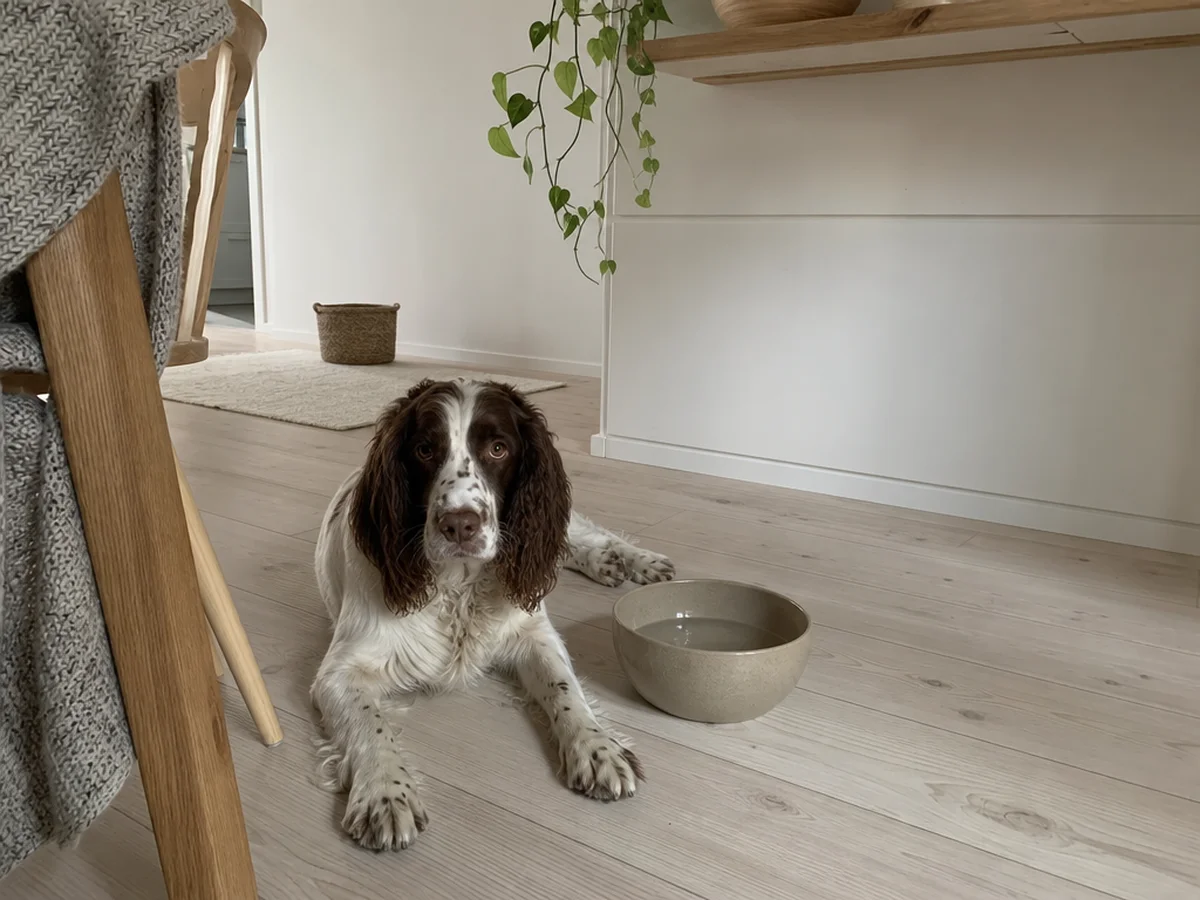
A look at real cases shows why vets are cautious. A poison-center review of 48 pets exposed to essential-oil flea products, 39 cats and 9 dogs, found 8 of the 9 dogs had some adverse effect, and three animals in the group died or were euthanized. With nine dogs and mixed commercial blends the paper cannot give a rate for eucalyptus, but it shows what concentrated plant oils can do on a coat. If your real question is fleas or a doggy smell, our page on eucalyptus oil and fleas explains what the studies cover, and your veterinarian is the right person to ask.
If your dog licks or wades through a spill
Call rather than wait. The ASPCA Animal Poison Control Center is at (888) 426-4435 and Pet Poison Helpline is at (855) 764-7661; keep the bottle in hand so you can read out what it is. Pet Poison Helpline's decontamination guidance is bathing with liquid dish detergent after skin exposure and early dilution with water or food after swallowing, and it says not to induce vomiting because of the risk of the oil being inhaled.
The plant counts too: the ASPCA lists eucalyptus as toxic to dogs, so hang dried stems out of reach.
A few easy household habits
Dogs follow their noses, and a bottle at tail height is a gift to a clever one. Pick a spot for your oils that a dog cannot reach even standing on hind legs, and pick it before you need it. When you finish measuring, cap the bottle, wipe the counter and put it back, so there is never a moment when a bottle is sitting open while you answer the door.
How we would run a dog-friendly home
Keep the bottle capped and up high. Keep oil off the animal. Keep any diffusing short and in a room the dog is not in. Phone a vet if anything gets spilled or licked. Our product pages say to keep every one of our five eucalyptus oils away from eyes, children and pets, and that they are not for internal use. We make no pet claim for them. For cats, whose position is stricter, read our cat page, and for people, who should skip eucalyptus oil.
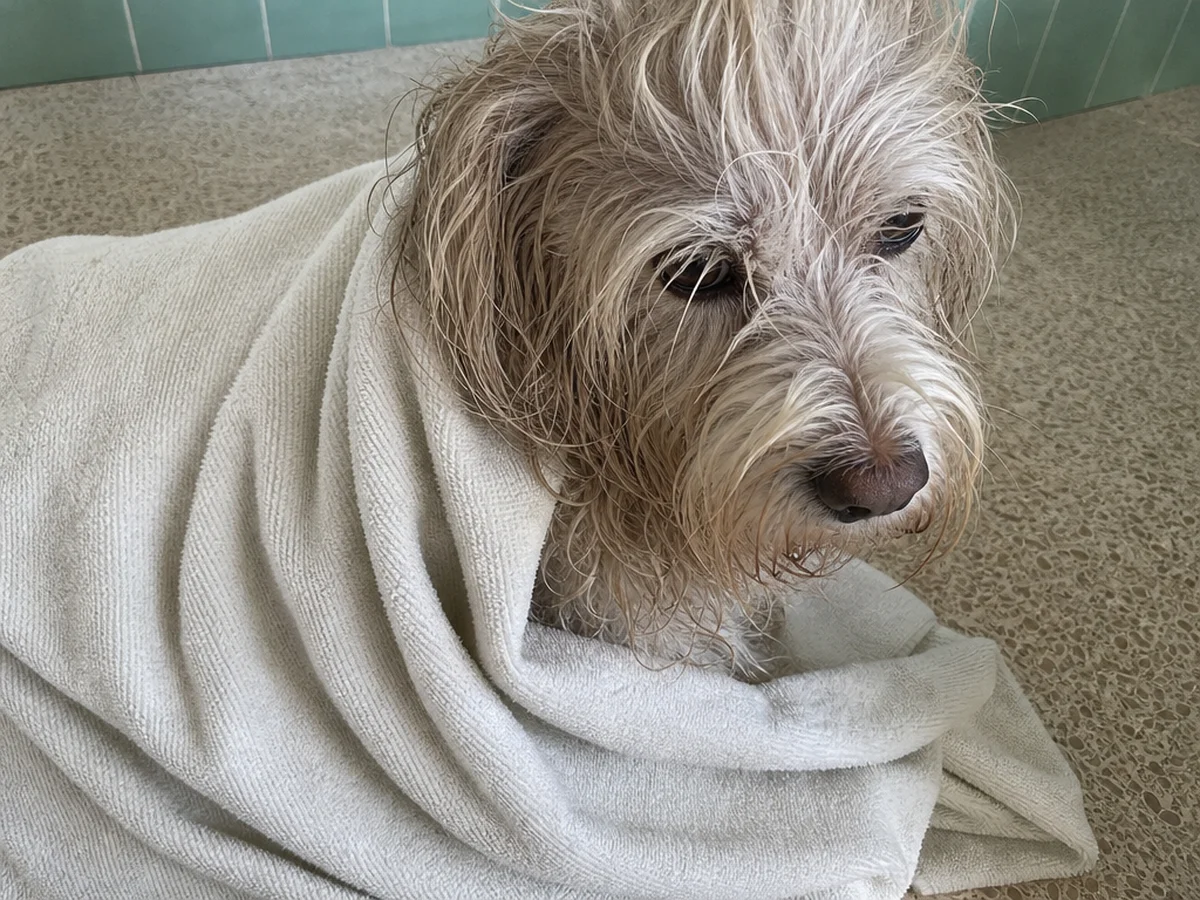
Whether your own dog, particularly one with a heart, lung or liver condition, should share scented air at all is a conversation for your veterinarian. We would rather you ask them first.
Eucalyptus Essential Oil
Eucalyptus Essential Oil from our own shop, in sizes from 0.5 oz to bulk.
From $9.99
Shop Now →Sources & Further Reading
- ASPCA, Toxic and Non-toxic Plants: Eucalyptus
- ASPCA, The Essentials of Essential Oils Around Pets
- Pet Poison Helpline, Essential Oils
- EFSA Panel on Additives and Products or Substances used in Animal Feed, 2023, Safety and efficacy of a feed additive consisting of an essential oil derived from Eucalyptus globulus Labill. (eucalyptus oil) for all animal species (FEFANA asbl), EFSA Journal
- Genovese AG, McLean MK, Khan SA, 2012, Adverse reactions from essential oil-containing natural flea products exempted from Environmental Protection Agency regulations in dogs and cats, J Vet Emerg Crit Care