Eucalyptus Diffuser Blends: Pairings and Safe Habits
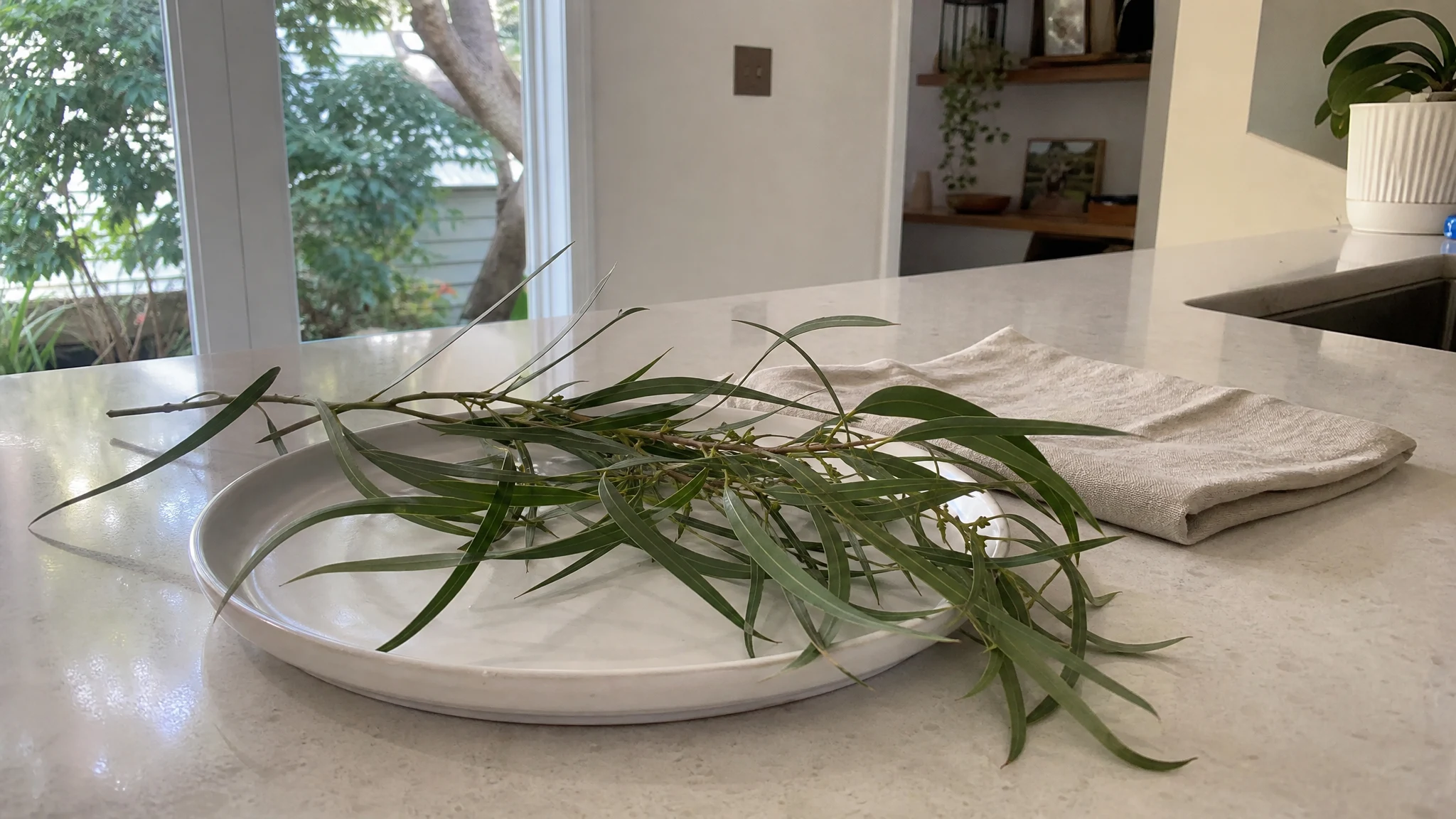
Eucalyptus is one of the quickest ways to make a room smell like the inside of a good spa: cool, clean and a little camphor-sharp, with a faintly sweet finish in our globulus oil. It is also a top note, which means it greets you first and leaves first, and that single fact is the key to building a blend around it.
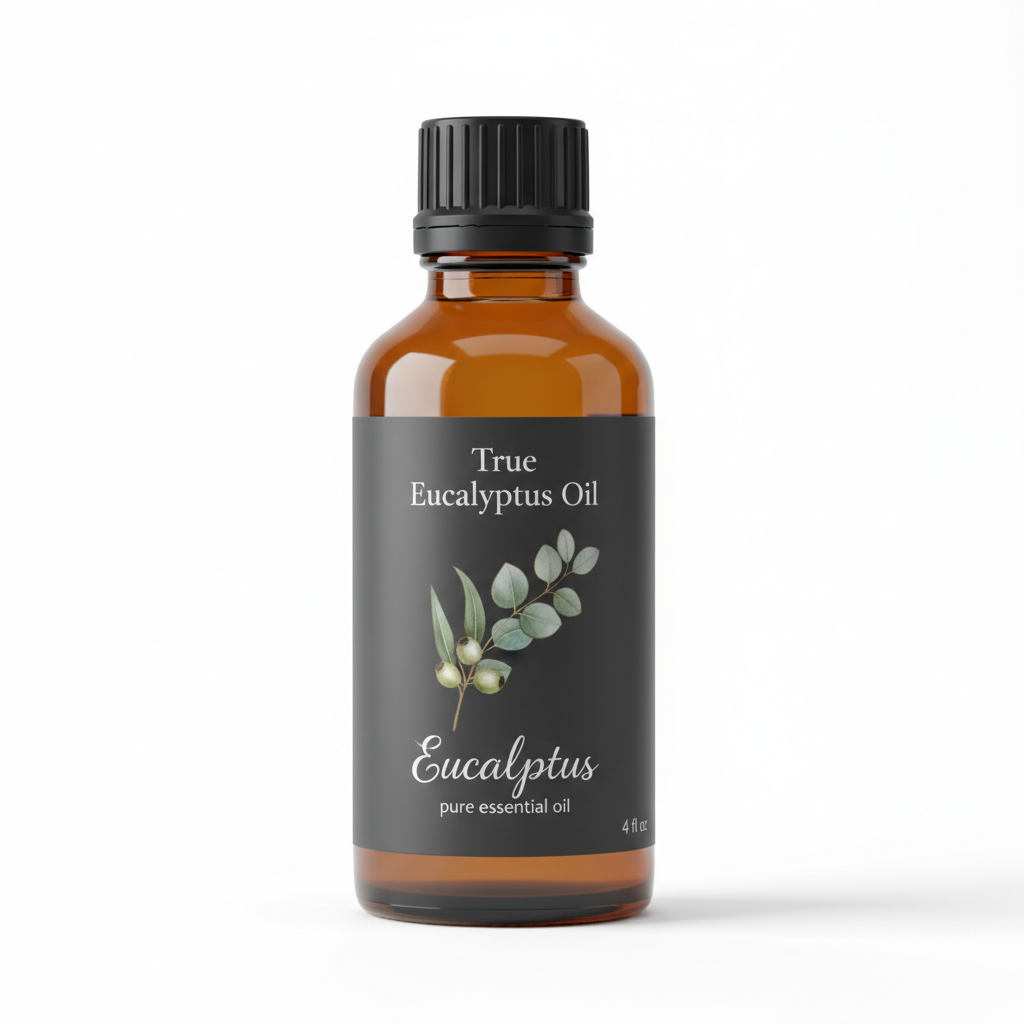
Eucalyptus Essential Oil
Our own Eucalyptus Essential Oil, in sizes from 0.5 oz to bulk.
From $9.99
Shop Now →Giving a top note some staying power
Top notes are the bright, fast-moving part of a scent. On their own they can feel sharp and then thin out; paired with something slower, they feel rounded and last longer. The oils we list as good partners for our eucalyptus oils are peppermint, lemon, rosemary, lavender and conifer oils for globulus; lavender, lemon, peppermint, rosemary, tea tree and pine for radiata and smithii; and lavender, geranium, cedarwood, lemongrass, peppermint and bergamot for lemon eucalyptus. We sell eucalyptus only, so the partners come from a craft store or another oil seller. Here are some blends worked out in parts, and they are suggestions rather than tested recipes:
- Eucalyptus and citrus. Two parts eucalyptus to one part lemon gives a bright, clean, quick blend, like a freshly washed kitchen window.
- Eucalyptus and a conifer or cedarwood. One part eucalyptus to one part pine or cedarwood brings in a woody note that lingers, a forest-meets-steam-room feeling that suits globulus's woody finish.
- Eucalyptus and lavender. Eucalyptus tends to dominate, so we would give lavender the bigger share, perhaps two parts lavender to one of eucalyptus, and reach for radiata or smithii, our softer oils, for the most harmonious result.
- Eucalyptus and peppermint. Both are strong and cooling, so a very light hand is best. Our peppermint pairing guide works through the numbers.
Start with a blend you can imagine, not a formula. Picture a morning kitchen with a window open: citrus and eucalyptus. Picture a walk under tall trees: eucalyptus and a conifer. Picture a linen cupboard: lavender with a whisper of eucalyptus. Naming the picture first helps you decide which partner gets the larger share, and it keeps you from stacking five oils into a muddle.
How much to use
Diffusers vary so much that we do not give a drop count. The maker's manual is the only source that knows your unit, so we suggest starting with fewer drops than the manual's maximum, running the diffuser for a short session in a room with the door open, and stopping if you notice a headache, throat irritation, or a pet moving away. A scent that seems gentle to us can be overwhelming for an animal, as the ASPCA points out in its guidance on essential oils around pets.
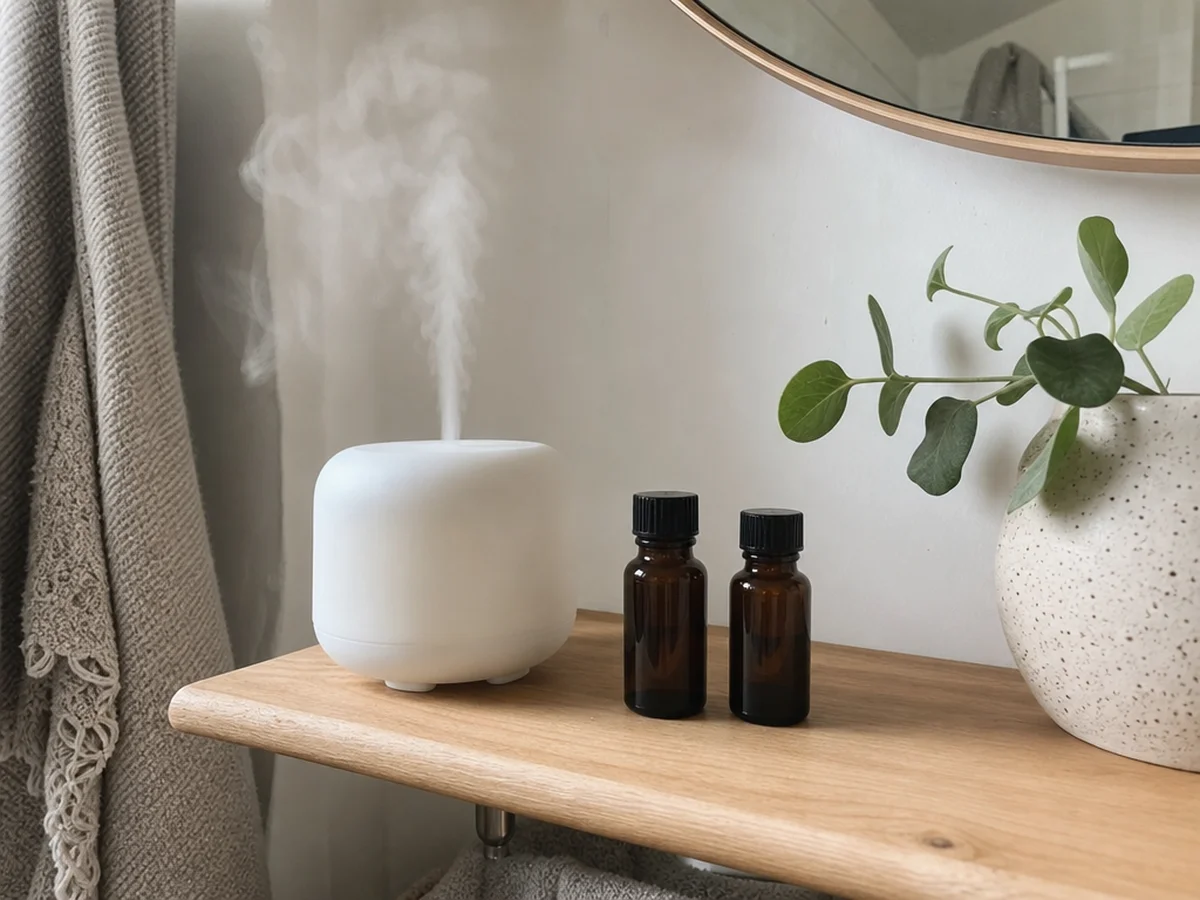
Where the bottle and the diffuser live
The hazard with eucalyptus oil is more about the liquid than about the air. A 1997 study in the Australian and New Zealand Journal of Public Health looked at eucalyptus oil poisoning in children under five in Victoria. In a telephone survey of 109 parents and guardians, 90 incidents involved vaporiser solutions, and 74 per cent of the children reached the oil through a home vaporiser, most often one sitting at ground level. Poison Control adds that a teaspoonful or less of undiluted oil can be fatal if swallowed, with symptoms usually within 30 minutes but sometimes up to 4 hours later. In the United States, the number to call is 1-800-222-1222.
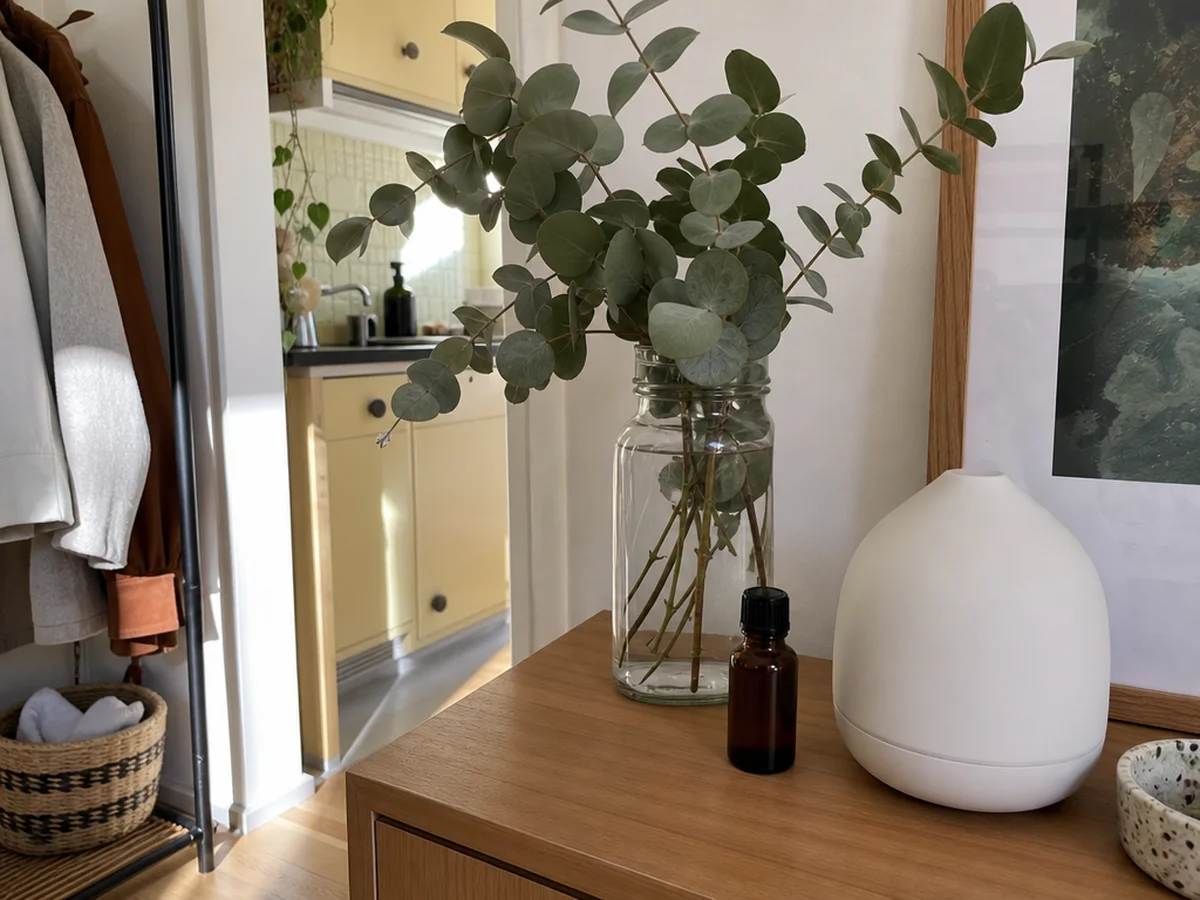
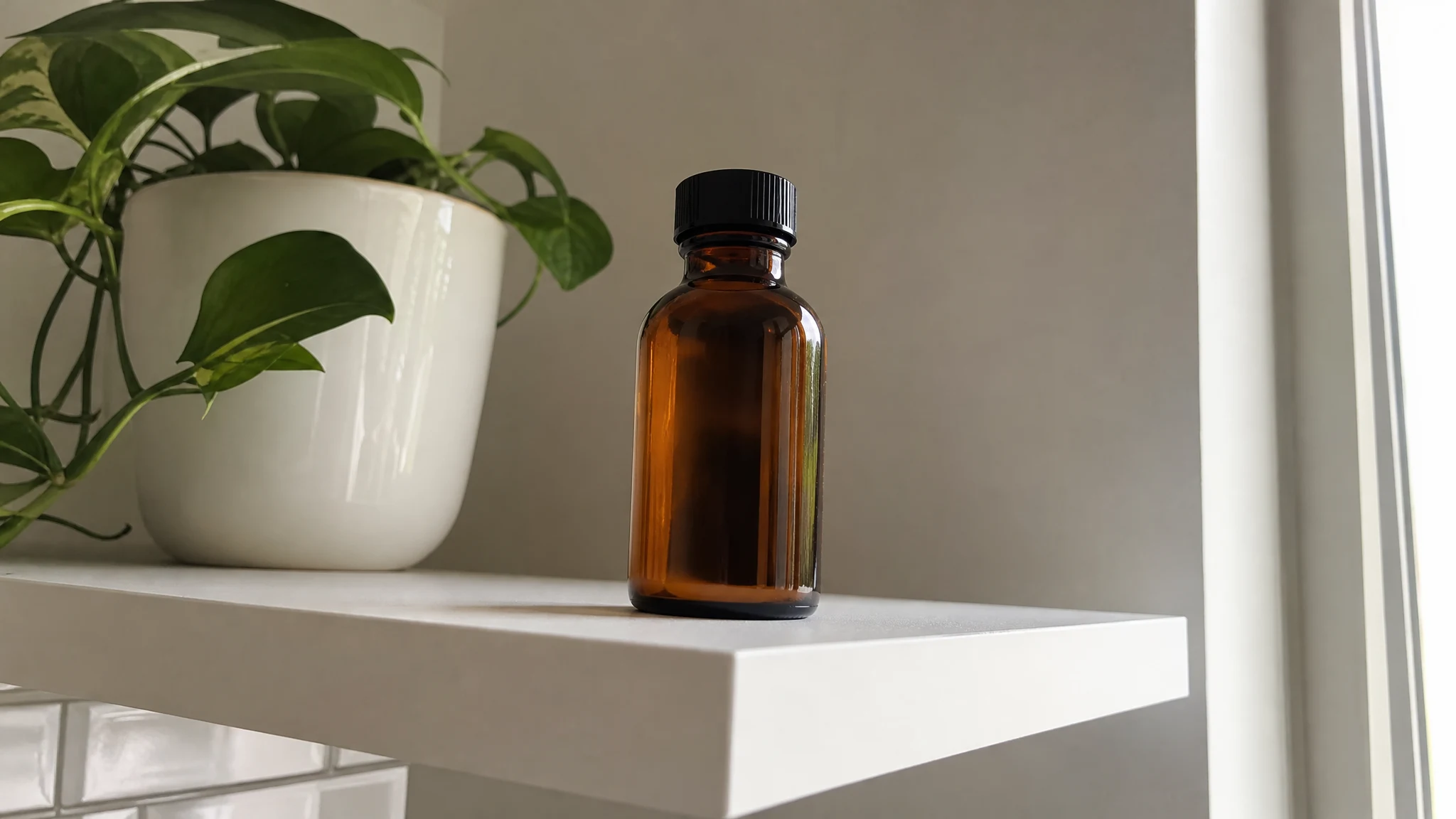
So the practical habits are simple. Put the diffuser out of reach, keep the bottle capped and on a high shelf, and empty the reservoir rather than leaving oiled water where a child or pet could drink it. One more detail: pure 1,8-cineole has a closed-cup flash point of 49 °C according to the safety data sheet quoted by PubChem, so a flame-heated or hot-plate diffuser is a different proposition from a cool ultrasonic one. Follow the diffuser maker's instructions on which oils are suitable for your model.
Who should skip the diffuser
- Homes with a child under two. Poison Control says children under 2 should not be given eucalyptus oil, and our Standards page advises keeping diffusion light in a room where a small child sleeps. Your pediatrician is the right person to ask.
- Homes with pets. The ASPCA says a short session in a secured area your pet cannot reach is not likely to be an issue, that pets with breathing problems may be better off avoiding diffusers, and that birds have very sensitive respiratory tracts. See our guides for cats and dogs.
- Pregnancy and breast- or chest-feeding. Poison Control does not recommend eucalyptus oil in either, so check with your midwife or doctor.
- Anyone with asthma or another breathing condition. Our asthma guide reports what the research covers, and your physician is the one to decide.
What you will notice over a session
Eucalyptus is quick to rise and quick to fade, so the first few minutes are the sharpest. After that the scent settles into a softer background. Step out of the room for a few minutes and walk back in: that first breath is the best test of whether you have the amount right. If it feels like a wall, it is too much, and if you have to hunt for it, add a drop next time. Between sessions, open a window and let the room reset, so that each blend gets a fresh start.
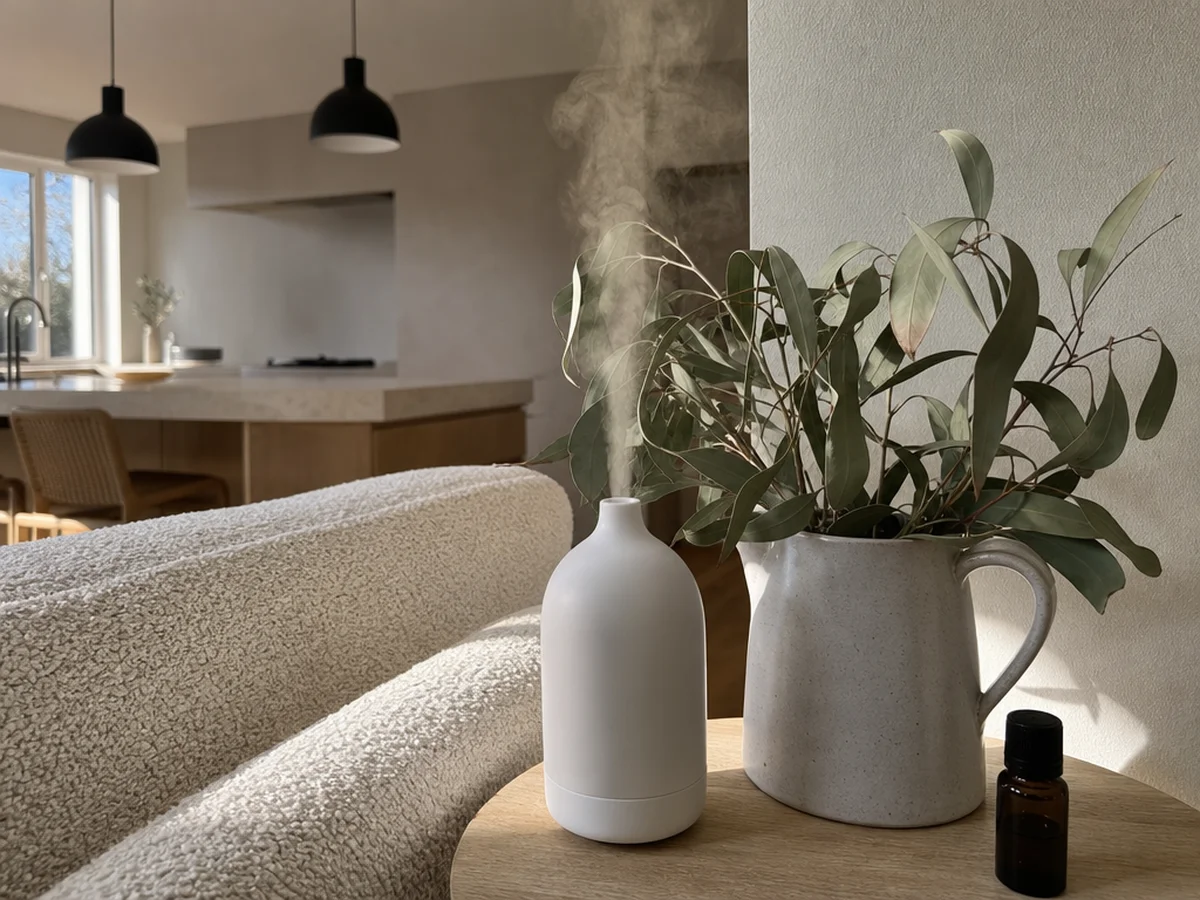
Keeping the bottle fresh
Eucalyptus oils keep for roughly 2 to 3 years when sealed and stored cool, dark and capped. If an older bottle smells flat or harsh next to a new one, it is time to retire it. A smaller bottle is an easy way to stay fresh, and our bottle size guide helps you choose.
A crisp room is a lovely thing, and the best diffuser setup is the one that suits everyone who lives in the house.
Eucalyptus Essential Oil
Eucalyptus Essential Oil from our own shop, in sizes from 0.5 oz to bulk.
From $9.99
Shop Now →