Eucalyptus Oil Spills: Which Surfaces Can It Harm?
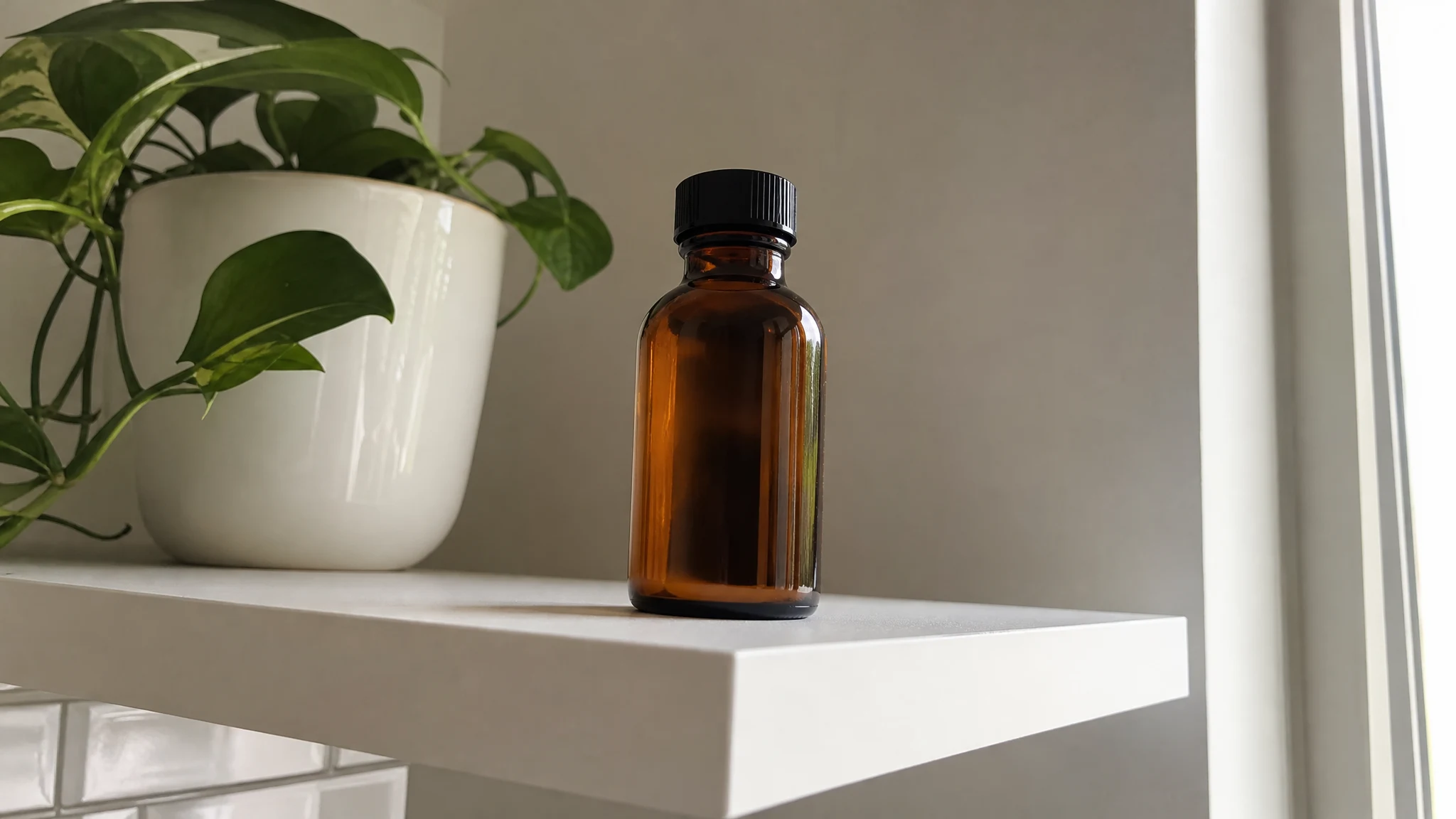
A bottle of eucalyptus oil tipped over on a bathroom shelf is a small accident with a surprisingly uneven outcome. Wipe it off glass and you are done. Leave it on a clear plastic lid and you may find a web of hairline cracks a few days later. The difference comes down to what the surface is made of, and a little knowledge goes a long way.
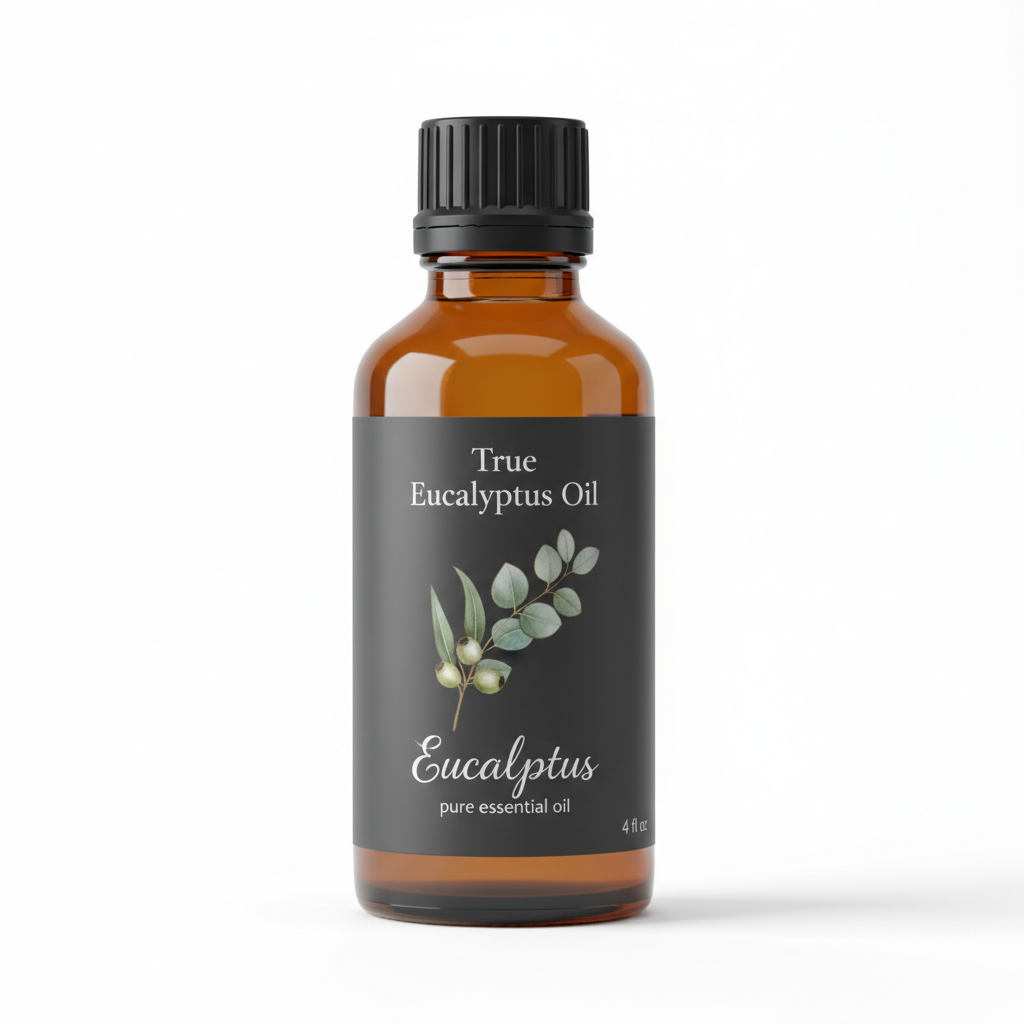
Eucalyptus Essential Oil
Our own Eucalyptus Essential Oil, in sizes from 0.5 oz to bulk.
From $9.99
Shop Now →What kind of liquid it is
Eucalyptus oils are mostly 1,8-cineole, a small, oil-loving molecule. PubChem lists it as miscible with fixed and volatile oils and as poorly soluble in water, with a closed-cup flash point of 49 C (120 F) and a hazard listing as a flammable liquid and vapour. In plain terms, it mixes happily with other oils and with anything oily, and it is neat when it comes out of our bottle. We sell all five of our eucalyptus oils undiluted, so a spill is a concentrated one. We do not know of a manufacturer chart that rates eucalyptus oil against particular plastics or finishes, so what follows rests on documented mechanisms and clearly labelled reasoning.
The bathroom shelf is where it usually happens
Most spills happen in the least glamorous spots: the edge of a sink, the back of a toilet tank, the lid of a diffuser you refill in a hurry. Look at what your bottle sits next to right now. A varnished shelf, a plastic soap dish and a stone vanity top all react to oil in different ways, and none of them announces it at the moment of the spill.
A small habit helps. Open the bottle over a plate or a sheet of kitchen paper rather than over the surface you care about, and set the cap down on something you do not mind. It takes a second and it turns a drip into a non-event.
Plastics, the best documented concern
The mechanism has a name: environmental stress cracking. According to Smithers, a materials-testing company, it is cracking that happens when a polymer meets a liquid or vapour while under stress. There is no chemical breakdown, just a physical effect that produces tiny crazes and then cracks. Smithers estimates that about 90 percent of these failures involve glassy, amorphous thermoplastics meeting agents the designers did not plan for, and its list of agents includes paints, adhesives, cleaning agents, lubricants, fruit essences and vegetable oils. It also notes that ABS and polycarbonate have been reported to crack under stress even in plain air.
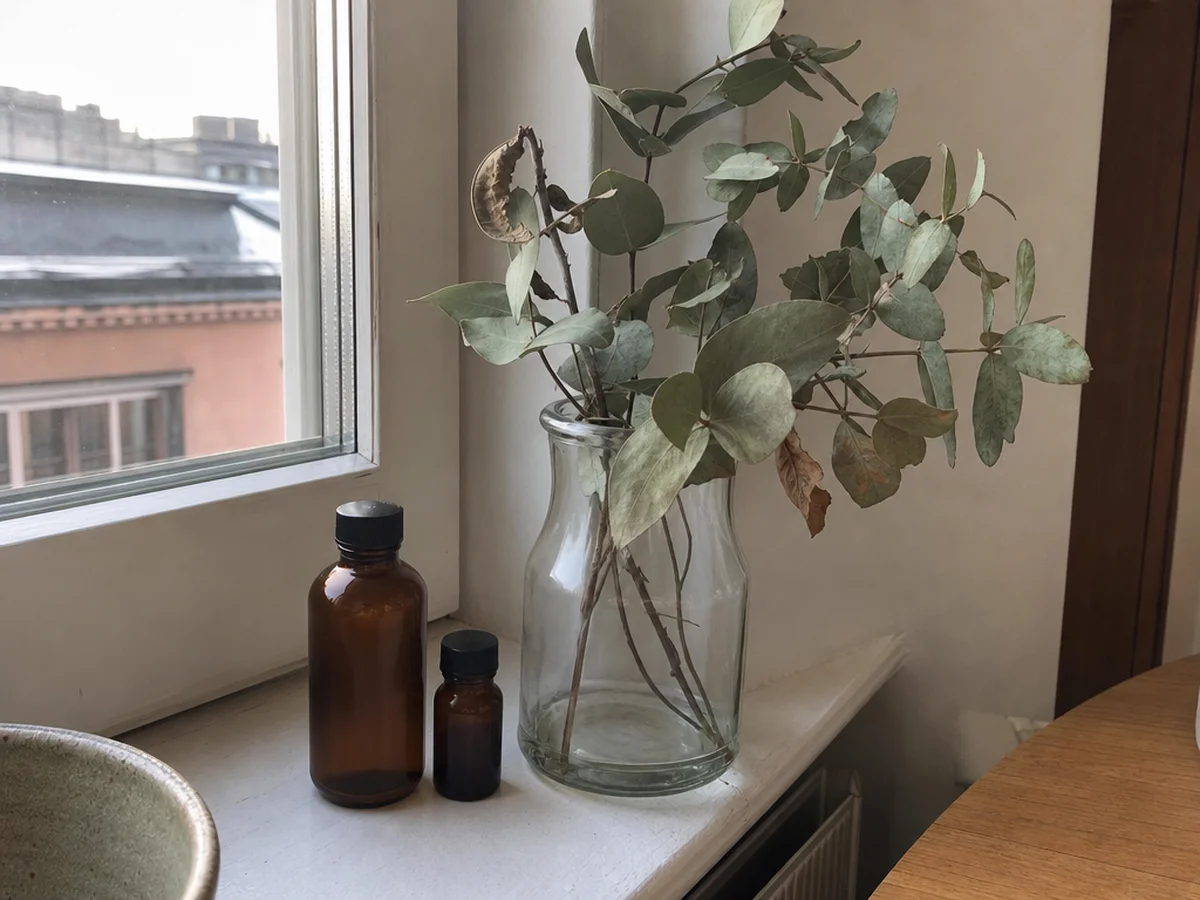
A consulting engineering firm, Exponent, names polycarbonate, polystyrene, PVC and acrylic (PMMA) as plastics that can crack unexpectedly when exposed to cleaning products containing ingredients such as fragrances. It specifically flags homemade solutions with essential oils, and it describes the damage as notoriously latent, with long delays between exposure and cracking.
Two practical points follow. A spill that looks harmless can still matter, so wiping it up and moving on is not a test. And, as our own inference, the hard, clear plastics deserve the most protection: diffuser water tanks and lids, clear storage boxes, acrylic picture frames, spectacle lenses and some car trim. We know of no rating for the softer plastics used in many spray bottles, so we simply keep oil away from them as well.
Stone and anything porous
The Natural Stone Institute explains that an oil-based stain darkens stone and normally has to be chemically dissolved so the source can be flushed away, and that stubborn or deep stains may need a poultice or a professional. Its guidance for any fresh spill is to blot immediately and not wipe, since wiping spreads it. The Institute does not mention essential oils specifically, so treating eucalyptus oil as an oil-based stain is our reasoning, but it is a sensible one on honed marble, limestone or unsealed surfaces where a spill can settle into the pores. We would keep the bottle off stone vanities and counters, and not just the cleaning spray.
Paint, wood, rubber, leather and fabric
For these, the honest answer is a hidden-spot test and the maker's care guide. Paint, varnish, laminate, rubber seals, silicone tubing and watch straps vary widely, and a diffuser's manual is the document that knows its own parts best. If the manual does not mention oils, it has made no promise about them. On fabric, any oil leaves a mark, and a neat drop is concentrated, so follow the garment's care label.
If it has already happened
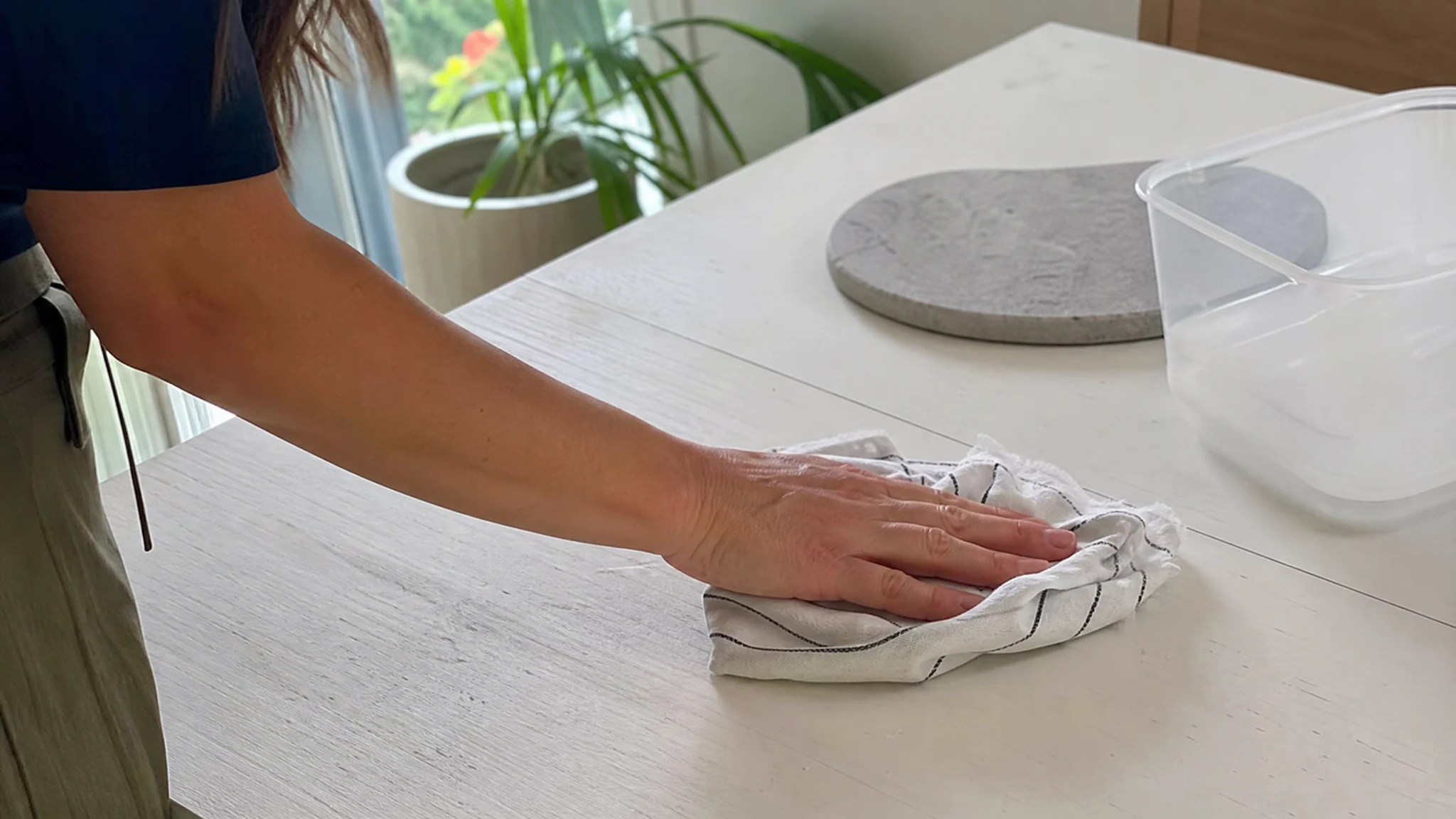
- Blot, do not rub. Lift the oil with a cloth, then wipe with dish detergent in water. Let a damp cloth air out away from heat, since the oil is flammable.
- Do not chase it with a solvent on plastic or a finish, which can do more harm than the oil.
- On stone, follow the Natural Stone Institute's guidance or call a stone restorer for stubborn marks.
- Replace a cracked part that holds water, such as a diffuser tank, or that sits near your eyes. A hairline crack in those is not a repair job.
- Wash your hands, because neat oil can irritate skin.
A calm way to test a surface
If you really want to know how a finish behaves, pick a spot nobody will see, such as the underside of a shelf or the back of a lid. Use a drop of a cheap carrier oil rather than eucalyptus oil, leave it a few hours, wipe it away and look in good light. That tells you how the finish treats oil in general without risking a drop of the real thing. It will not tell you everything, because latent damage can take days to show, so give it a day or two before you decide a surface is fine.
The cheap protection
A closed cap and an upright bottle on a shelf well away from the surfaces above prevent nearly all of this, and that is how we suggest storing it anyway, capped, cool and shaded from light. Our cleaning guide and DIY spray post cover what the oil is actually used for around the home, and the sticker residue guide is the job most likely to involve a surface you care about. If you have a cat or a bird, our cat guide should come first.
With a little forethought, eucalyptus oil and a well-furnished home get along beautifully. Keep it capped, keep it off the clear plastic and test the spot you care about.
Eucalyptus Essential Oil
Eucalyptus Essential Oil from our own shop, in sizes from 0.5 oz to bulk.
From $9.99
Shop Now →Sources & Further Reading
- PubChem. 1,8-Cineole (CID 2758): solubility, flash point and GHS records. pubchem.ncbi.nlm.nih.gov
- Smithers. Environmental Stress Cracking in Polymers Q&A. smithers.com
- Exponent. Is Your COVID-19 Cleaning Protocol Harming Your Plastic Parts? exponent.com
- Natural Stone Institute. Remove Stains from Stone Applications. naturalstoneinstitute.org