Eucalyptus Oil Shelf Life: How to Store It Right
A bottle of eucalyptus oil does not spoil like milk, and it will not suddenly turn on you one Tuesday. What happens is slower and quieter: the oil meets oxygen, the bright top notes soften, and the bottle you loved a year ago smells a little flatter. Knowing what speeds that up is the whole secret to getting the most from every drop.
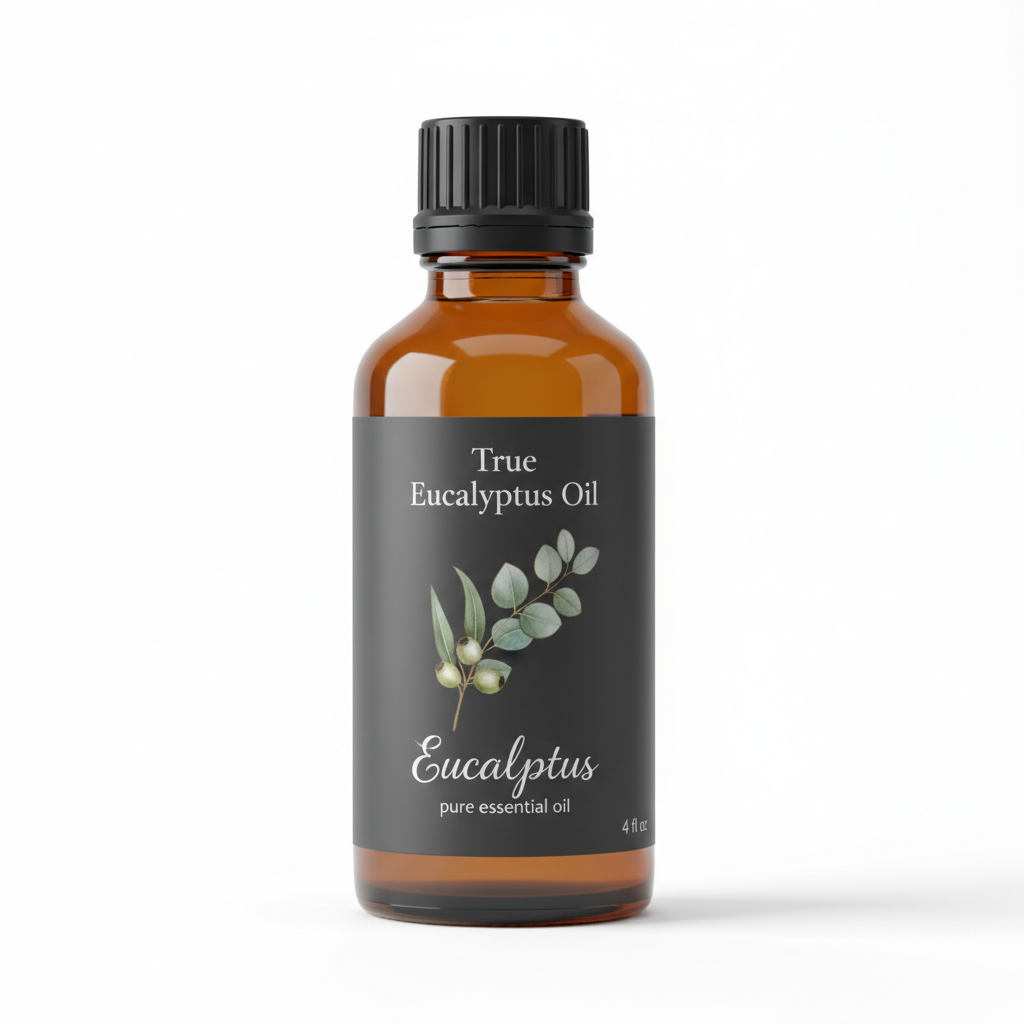
Eucalyptus Essential Oil
Our own Eucalyptus Essential Oil, in sizes from 0.5 oz to bulk.
From $9.99
Shop Now →What we say, and what the experts say
For our oils kept sealed, cool and out of light and heat, we describe a shelf life of roughly 2 to 3 years. We add an honest note of our own: eucalyptus ages faster than most oils, so buy the size you will actually use and store it cool and dark. The Tisserand Institute is a little more cautious in general terms, saying that most essential oils keep well for at least one to two years before oxidation starts to take effect, and that shelf life across different oils varies from one to several years. The international poisons monograph on eucalyptus oil lists shelf life as "no data available". So no source gives one exact number for eucalyptus, which is why we treat 2 to 3 years as the upper end of the range and why, in practice, the habits below matter more than the date.
The three things that age an oil
Tisserand names them clearly: heat, light and moisture, with oxygen doing the actual work. Its own advice is to keep oils away from direct sunlight, never leave caps off for long, remember that the more air in the bottle, the faster the oil oxidizes, and use a cool, dark place, with refrigeration roughly doubling the useful life of oils in general. The poisons monograph agrees on the basics, recommending storage at no more than 25 C in well-filled containers, protected from light.
Turn that into a routine and it is simple:
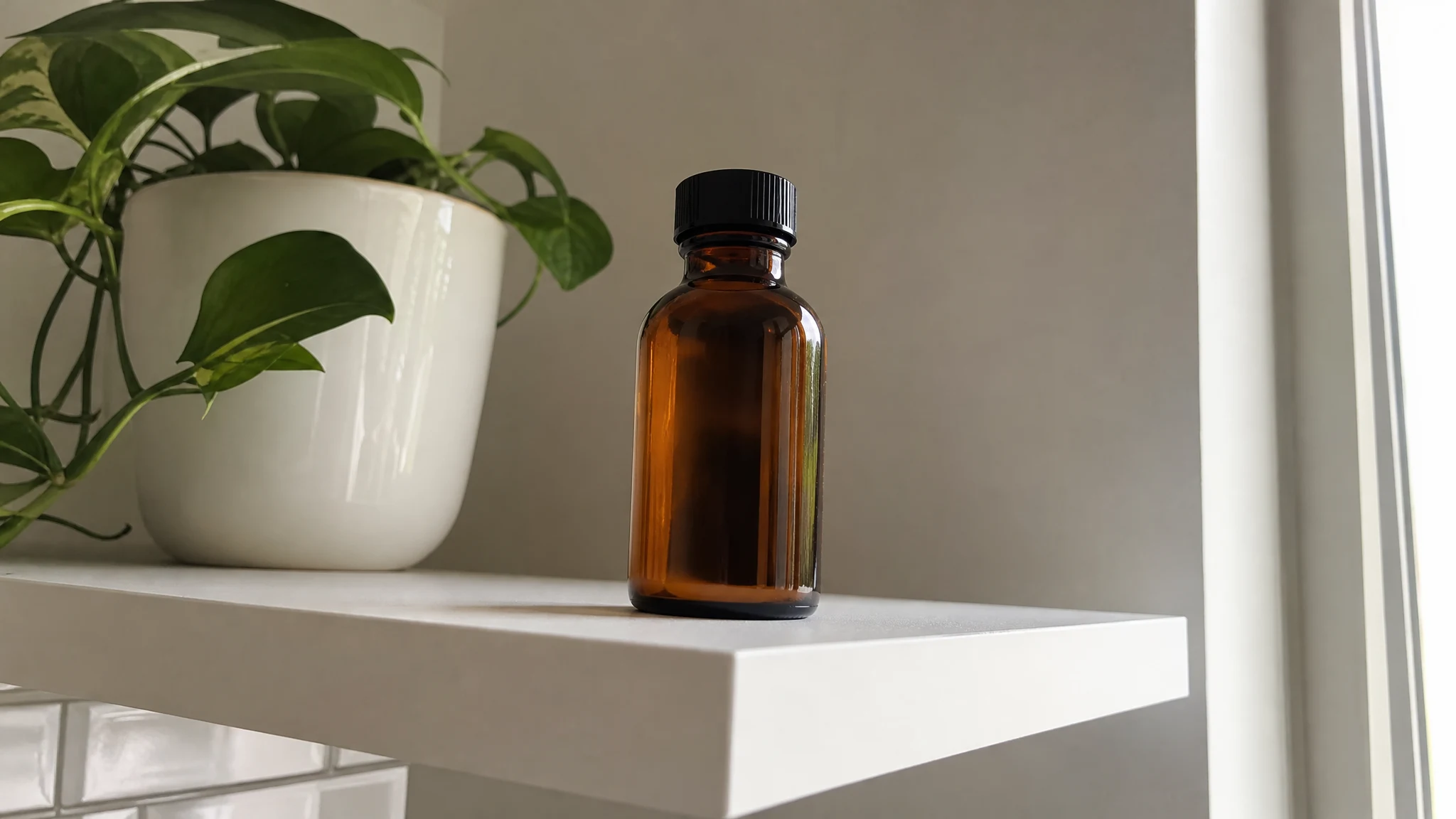
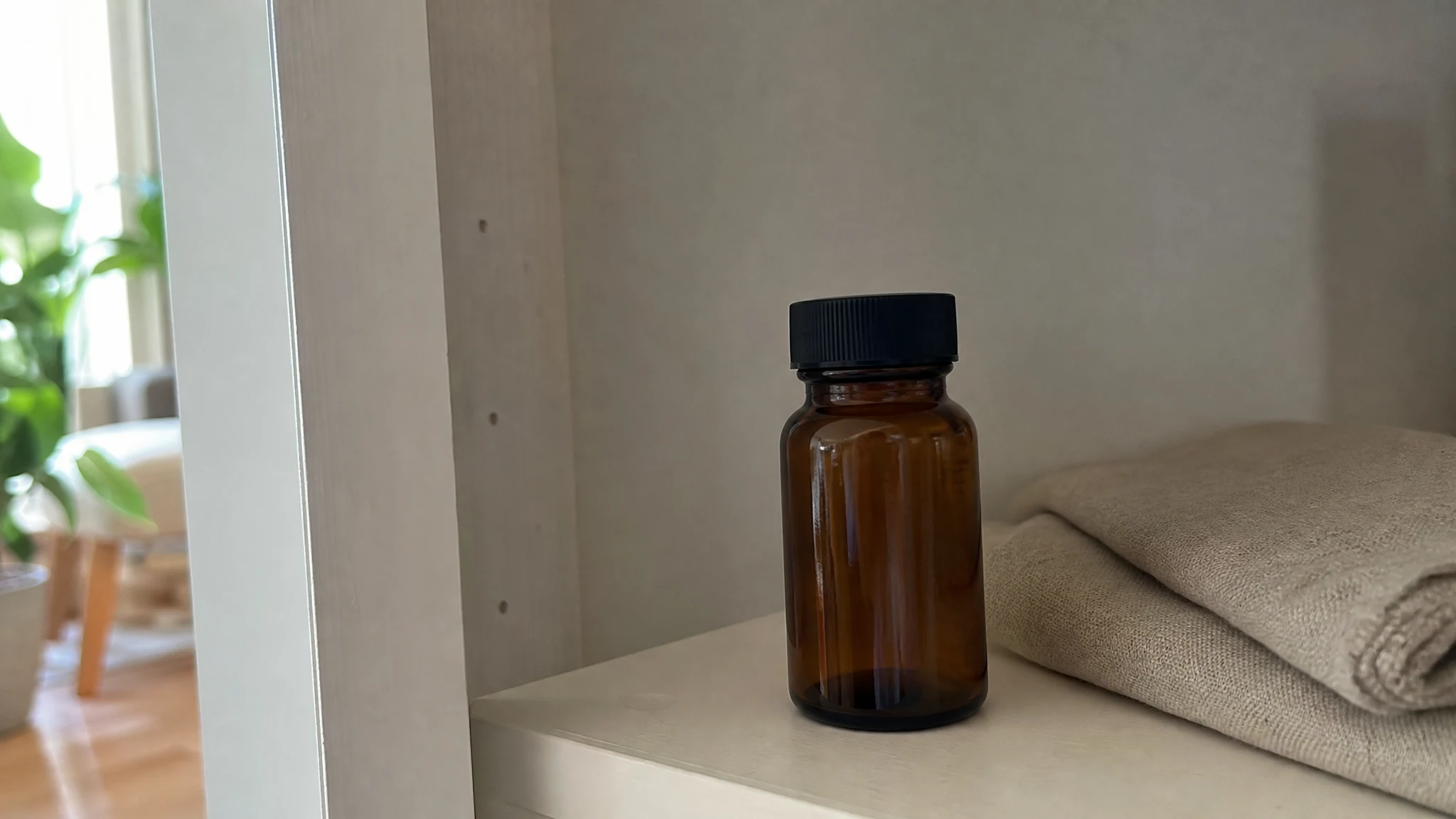
- Keep the cap snug and close it straight after use.
- Choose a cupboard, not a windowsill. A sunny bathroom shelf, a car glovebox and the top of a radiator are the usual culprits.
- Consider the fridge, if you have room well away from food. Let a cold bottle come to room temperature before opening it so condensation does not form inside. That last tip is our own reasoning, since Tisserand names moisture as a driver of oxidation.
It helps to make the routine part of tidying up. After a shower or a diffuser session, cap the bottle and put it straight back in its cupboard before you put anything else away. Every few months, open the bottle and take one slow sniff on a paper strip, then compare it with what you remember from the first week. You will usually notice if the brightness has started to soften, and that small habit tells you more than a date on a calendar.
The size question
Most shelf-life trouble is really a sizing problem. A half-ounce bottle holds about 14.8 ml, which at roughly 20 drops to the millilitre is close to 300 drops. If you use ten drops a week, that is about thirty weeks. A bottle four times the size would last well beyond the two to three years we mention, and the last third of it would sit in a container that is mostly air. Those numbers are arithmetic with a made-up usage rate, not a measurement, but they show the principle: pick the size you will finish, as we suggest on our sizes guide. Soap makers and anyone else who uses pounds of oil are the happy exception, and for them larger bottles make sense.
If you do end up with a part-used large bottle, pouring the remainder into a smaller, clean, dry glass bottle that it fills nearly to the top reduces the air above it. Keep the label so you always know what is inside.
How to tell when it is time to retire it
Smell is the check everyone reaches for, and Tisserand is candid that it is imperfect. As oil oxidizes, its smell changes a little and some brightness disappears, but you may not notice unless you compare it with a fresh bottle. Very old oils can become more viscous and eventually thicken. So a bottle that smells off or has thickened is finished, and a bottle that smells fine is not proof of freshness.
The reason it matters is the skin. Tisserand says oxidation products tend to be slightly toxic and to raise the risk of adverse skin reactions. That is a general statement about essential oils and not a measurement for eucalyptus, so it informs our advice and does not prove anything about any particular bottle. Our recommendation: write the purchase and opening dates on the label, and when a bottle is past its time or smells different, stop using it on skin first, diluted or not. The patch test habit in our dilution guide applies to every new bottle.
Retiring it properly
Do not pour leftover oil down the drain. The EPA lists leftover products that can catch fire or are toxic as household hazardous waste, calls pouring such waste down drains an improper method of disposal, and suggests contacting your local environmental, health or solid waste agency about collection programs. Ask them how they handle a small bottle of essential oil. Until then, keep it capped, out of reach of children and pets, and read our poisoning guide for the reasons why.
Treat your bottle like fresh herbs: enjoy it while it is at its best, store it with a little care, and you will get a clean, crisp scent for as long as it deserves.
Eucalyptus Essential Oil
Eucalyptus Essential Oil from our own shop, in sizes from 0.5 oz to bulk.
From $9.99
Shop Now →Sources & Further Reading
- Tisserand Institute. Is my bottle of essential oil oxidized or no longer good to use? tisserandinstitute.org
- Tisserand Institute. Keep essential oils cool! tisserandinstitute.org
- IPCS INCHEM. Eucalyptus oil (PIM 031). inchem.org
- US EPA. Household Hazardous Waste (HHW). epa.gov