Eucalyptus Cleaning Spray: How to Keep It Mixed
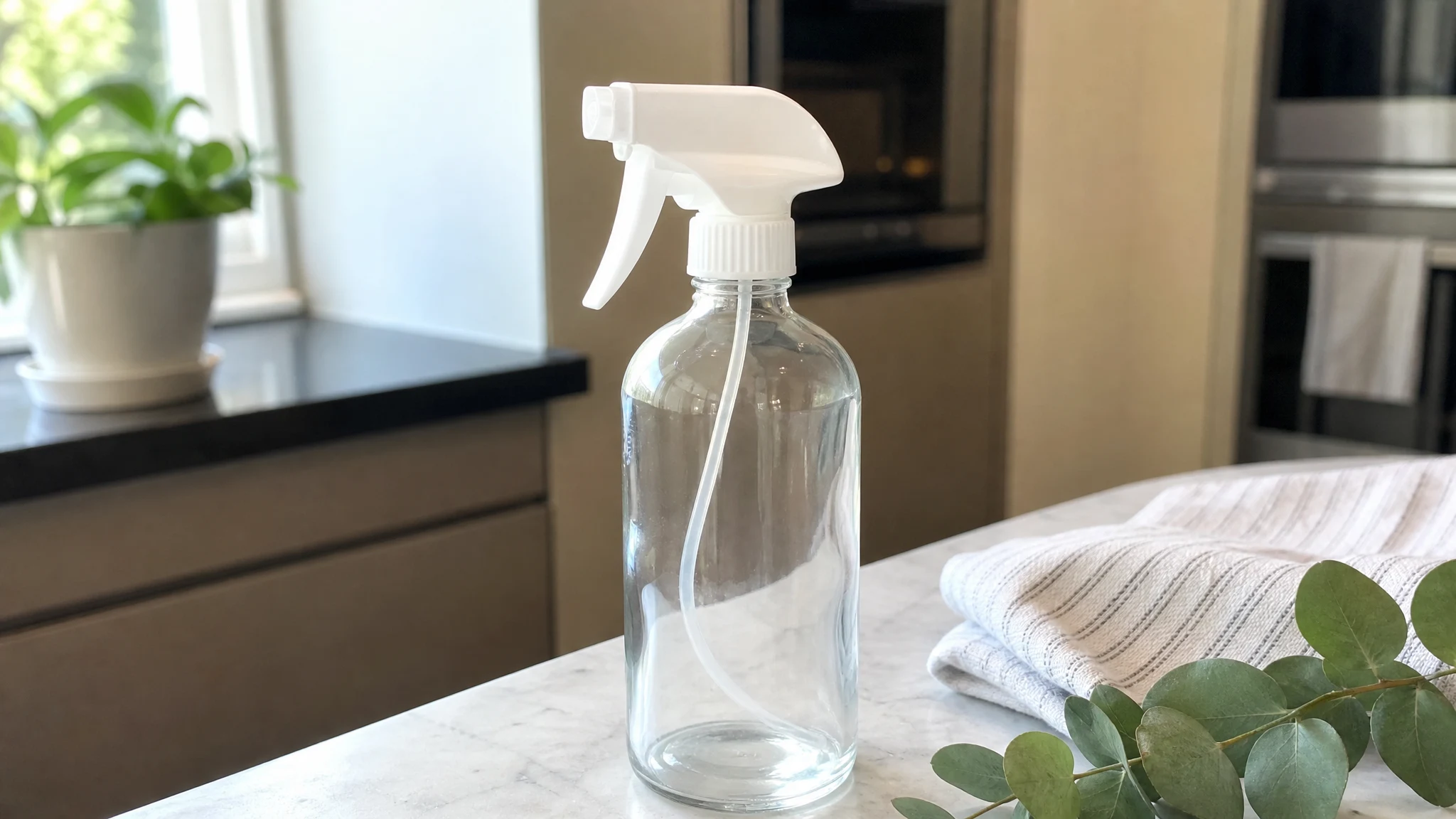
Anyone who has dripped eucalyptus oil into a spray bottle of water has watched the same thing happen: a few bright droplets, a shake, and then a slick on top. A eucalyptus spray is a scent decision, because the detergent does the cleaning and the oil supplies the fresh, camphor-green aroma. Getting that aroma to stay evenly mixed is the interesting part, and it comes down to a small piece of chemistry.
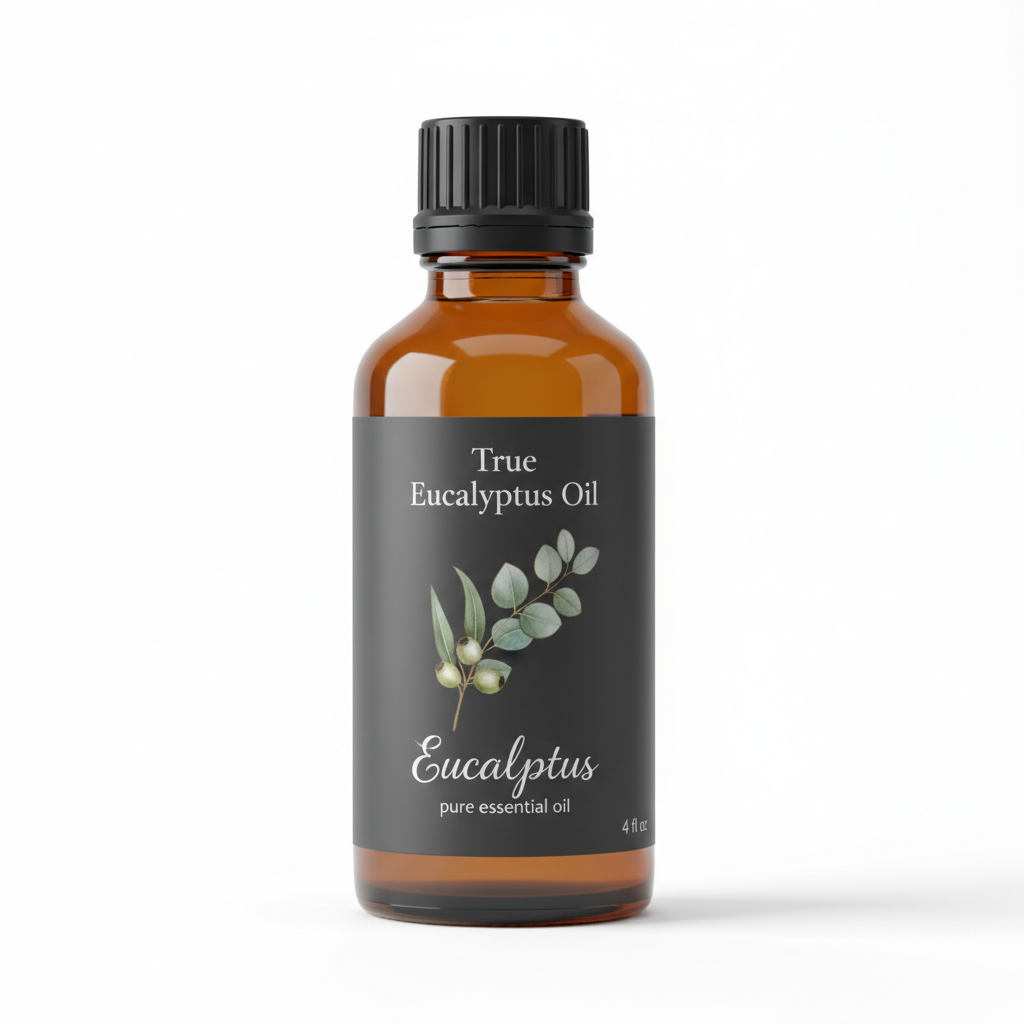
Eucalyptus Essential Oil
Our own Eucalyptus Essential Oil, in sizes from 0.5 oz to bulk.
From $9.99
Shop Now →Why oil and water part ways
The main component of eucalyptus oils is 1,8-cineole, which water barely dissolves. PubChem lists about 3,500 mg/L at 21 C from one source and "insoluble (<1 mg/mL)" from another, and describes the compound as miscible with ethanol and fixed oils. Take the generous figure for a 250 mL bottle: at most about 0.9 g of cineole stays dissolved. A 0.5% load is 1.25 mL of oil, which is about 25 drops at the usual 20 drops per mL and weighs roughly 1.1 g if the oil is near 0.9 g/mL (an assumption; the one density we hold is 0.863 for a single lemon eucalyptus batch). That already sits at the ceiling, and a whole oil contains parts that dissolve even less well. Most of the oil floats and lands in the first few sprays.
Vinegar does not help, since it adds water and acid rather than anything to hold oil in suspension. It can also be unkind to some stone: the Natural Stone Institute notes that products containing lemon, vinegar or other acids may dull or etch calcareous stones. For that reason we would leave the vinegar-and-oil recipe out of a kitchen or bathroom spray.
The solubilizer route
Alcohol can hold oil, but it takes a lot of it and adds a fire concern. PubChem gives 1:5 in 60% alcohol for cineole and a closed-cup flash point of 49 C, so we would not build a spray around it. The usual home-formulator answer is a cosmetic solubilizer such as polysorbate 20, sold by soap-making and cosmetic-ingredient suppliers. Suppliers give different guidance on how much to use. Because that guidance varies, we suggest starting from your supplier's recommendation and testing in a small batch.
As arithmetic, here is what common starting ratios of solubilizer to oil mean for 1.1 g of oil in a 250 g spray:
| Ratio (solubilizer : oil) | Solubilizer | Share of the spray |
|---|---|---|
| 1:1 | 1.1 g | about 0.4% |
| 3:1 | 3.3 g | about 1.3% |
| 5:1 | 5.5 g | about 2.2% |
For our lemon eucalyptus, which is bright and citrus-like, a middle row is a sensible start. For globulus, radiata, smithii or dives, begin low and move up only if the mix looks cloudy.
A formulation to try
- Weigh about 1.1 g of eucalyptus oil into a small glass jar.
- Add the solubilizer and stir until the two look like one clear liquid. The oil needs to be dispersed in the solubilizer first, because it will not disperse in plain water.
- Stir in about 100 mL of warm distilled water slowly, pour into a 250 mL bottle and top up with distilled water to about 245 g.
- Add your cleaner, such as liquid dish detergent or a surface cleaner, at the dilution on its own label.
- Label the bottle with the date and contents.
We sell the oil, so polysorbate, detergent, a spray bottle and distilled water are shopping-list items for a cosmetic-supply, hardware or grocery store. Read the safety sheet that comes with the solubilizer.
What it will look like
When the oil is properly dispersed, the liquid in the jar goes from cloudy to clear or slightly hazy, and no beads or slick are left on top. Give the finished bottle a good look in daylight. If you see a film or droplets on the surface after it has stood for a while, the oil has not dispersed, and the next batch needs more solubilizer or a gentler start. A good spray should smell the same on the first pump and the last.
Keeping and using it
A water-based mix with a surfactant and no preservative is a place where microbes can grow, so make small batches of 250 mL or less, date the bottle, and discard it if it smells off, turns cloudy or leaves a slimy film on the nozzle. It is sensible to test a hidden spot on any surface, and to watch your spray bottle itself, since some plastics can mark or crack with solvents and strong fragrances. Our surfaces guide has more.
The oil is there for the scent, and a germ claim belongs only to products registered for it, so for sanitizing a surface look for one that is. For the bigger picture of where eucalyptus fits in a cleaning routine, see our cleaning overview, and for fabric see laundry and linens. Each of our oils is sold neat, so the maths above is yours to adjust, and keep bottles of oil and finished spray out of reach of children and pets.
A scent you can adjust
One nice thing about making your own spray is that you decide how loud it is. Eucalyptus is strong, and the cleaner you add has its own smell, so start low and let the room tell you. If you want a softer result, reach for radiata or smithii. If you want a lemony cleaner-smelling spray, lemon eucalyptus is an obvious fit. Spray into the air or onto a cloth first, not straight onto a surface you care about.
Once the oil is properly dispersed, one small bottle gives a room a clean eucalyptus freshness.
Eucalyptus Essential Oil
Eucalyptus Essential Oil from our own shop, in sizes from 0.5 oz to bulk.
From $9.99
Shop Now →