Eucalyptus Species Explained: Five Oils, Five Trees
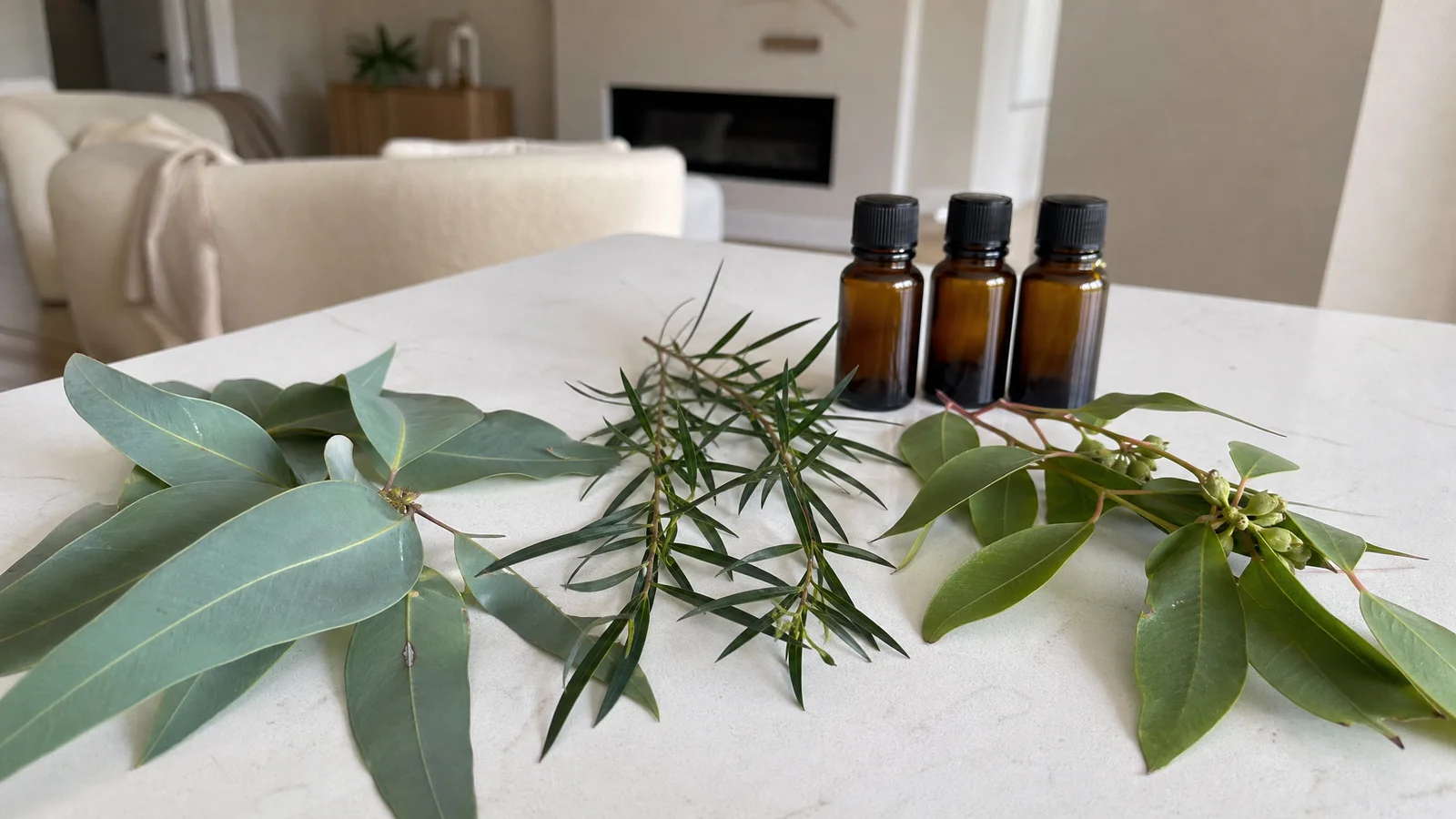
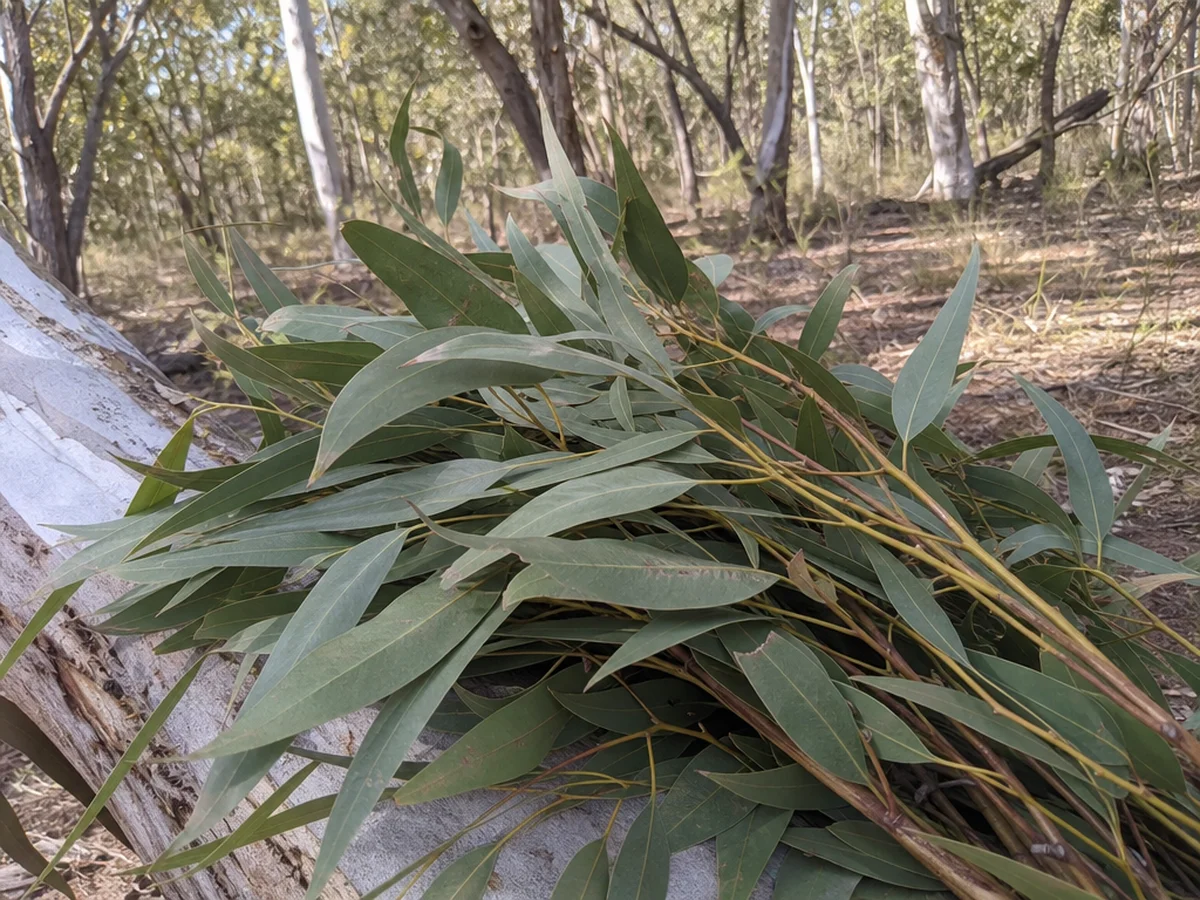
"Eucalyptus oil" sounds like one thing, like lavender oil or lemon oil. It is closer to a family name. Hundreds of eucalyptus species carry oil in their leaves, only a small number are distilled commercially, and the oils they give can smell and behave nothing alike. That is why we sell five separate eucalyptus oils and why we like to explain what a Latin name does and does not tell you.
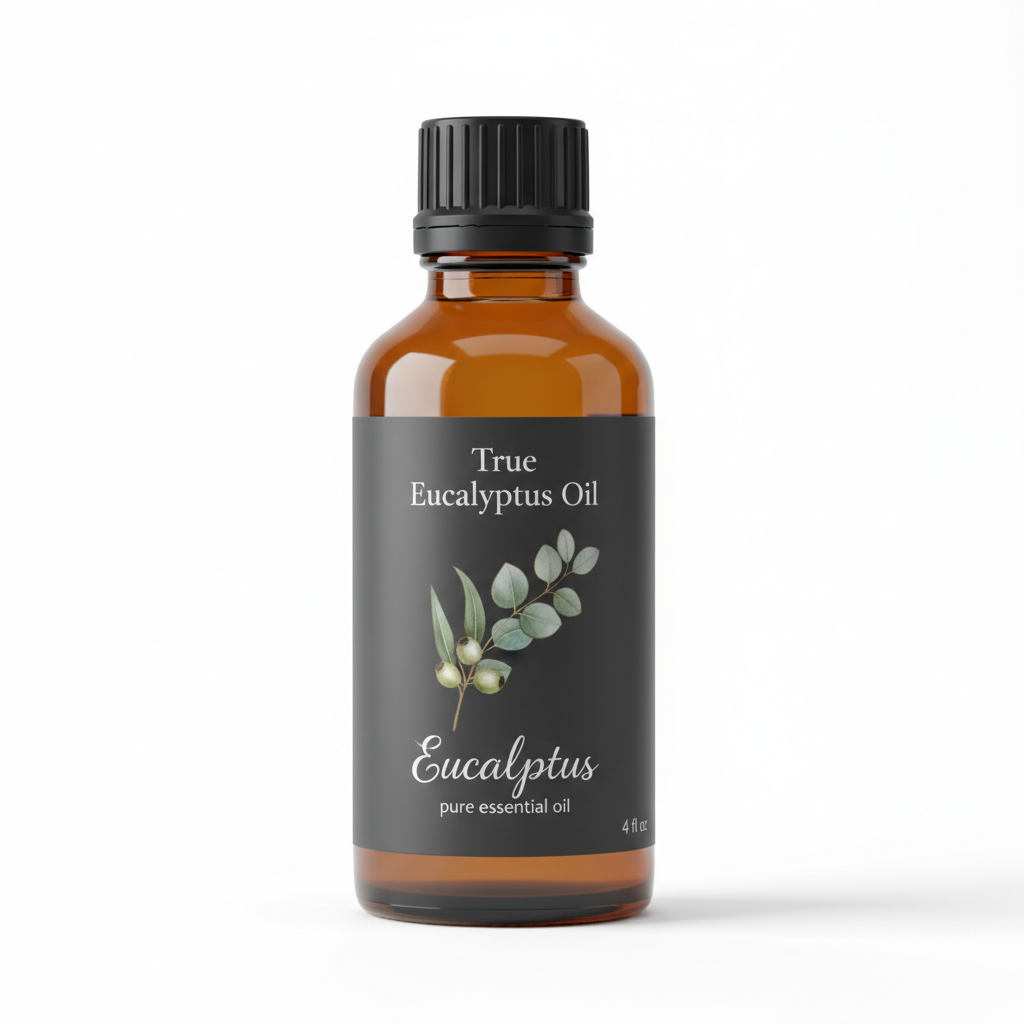
Eucalyptus Essential Oil
Our own Eucalyptus Essential Oil, in sizes from 0.5 oz to bulk.
From $9.99
Shop Now →The name is a clue, not a specification
The most thorough trade survey we know, a 1992 review for the UK Natural Resources Institute, says the composition of an oil depends mainly on genetics, so the species is the biggest factor in what the oil is and what it is used for. It also notes that within one species there can be real differences between seed provenances and even individual trees (Eucalyptus oils: a review of production and markets (NRI Bulletin 56)). A species name narrows the field. It does not fix the chemistry. Think of it like a wine grape: it tells you something real, and there is still a lot of room inside it.
The survey sorts the oils the trade buys into three groups: cineole-rich oils, perfumery oils and industrial oils. Those are trade categories describing how buyers use the oil, and we mention them only because they explain why our five oils smell so different.
The cineole family: globulus, radiata, smithii and part of dives
In the survey, Eucalyptus globulus, E. smithii, E. radiata and the cineole form of E. dives all sit in the cineole-rich group. The aromas still vary. Our globulus is cool, clean and camphor-fresh, with a faintly sweet, woody finish. Radiata is the rounder, gentler side of eucalyptus, with a soft camphor note and a citrus-tinged finish. Smithii is soft, smooth and gently camphoraceous. Our radiata piece goes deeper on that gentle end of the family.
A word on numbers. The survey gives rough cineole levels for crude oils from particular origins, such as about 70 to 75% for smithii from southern Africa and 60 to 65% for globulus from Portugal and Spain, with higher trade grades usually produced by rectifying. We quote it as background from 1992, not as a measurement of anything we sell. We do not list a cineole figure for our oils, so if you need one for a formula, ask us in writing.
Why dives deserves a question
Dives is the broad-leaved peppermint gum, and the name alone leaves a lot open. The survey describes a cineole form and a piperitone form of the species, with the piperitone type being an oil rich in piperitone and phellandrene and long used as a starting material for menthol production. We describe our dives as minty and sweet over a camphoraceous spine, nearer to peppermint than to globulus. That is how it smells, not how it is built, so the sensible buyer's question for any dives oil is "which chemical form, and can I see the analysis?" We are happy to take that question from you.
Lemon eucalyptus is its own story
Lemon eucalyptus is not a cineole oil at all. The survey classes it as a perfumery oil with citronellal as the major component, usually about 65 to 85%. Botanists now place the tree in a different genus: the PROSEA record gives the accepted name as Corymbia citriodora, with Eucalyptus citriodora as a synonym (PROSEA - Plant Resources of South East Asia). We list ours under the name most people recognize, Eucalyptus citriodora. We describe it as bright, lemony and citronella-like, and it is a lovely choice when you want a citrus-herbal note. It has its own page: the citronella-scented cousin.
The certificate of analysis on our site covers a single lemon eucalyptus batch and lists density and refractive index. It is a statement about that batch only, which is exactly the point: a certificate is evidence about the oil it names.
Start with your nose
All the Latin names in the world cannot replace a slow sniff. If you can, choose a small size of two oils and compare them side by side on a clean strip of paper, a few inches from your nose. Notice which one feels brisk and which one feels soft, which one makes you think of a spa and which one reminds you of a lemon grove. Whichever one makes you smile is the right place to start, and the botanical name then becomes a useful label for your favorite.
How we would shop for any eucalyptus oil
- Look for the full botanical name. "Eucalyptus" alone is not a choice.
- For dives, ask which chemical form. For any species, ask whether an analysis is available for the oil in front of you.
- Check that a certificate describes the oil you are buying, and not a different one.
- Think about the job. Someone making soap or candles reads the species differently than someone choosing an oil for the diffuser, and a recipe written for one species will smell noticeably different with another.
Our guide to reading a GC-MS report shows what to look for if you do get one, and our piece on origin covers the question of where it grows.
A note on skin and safety
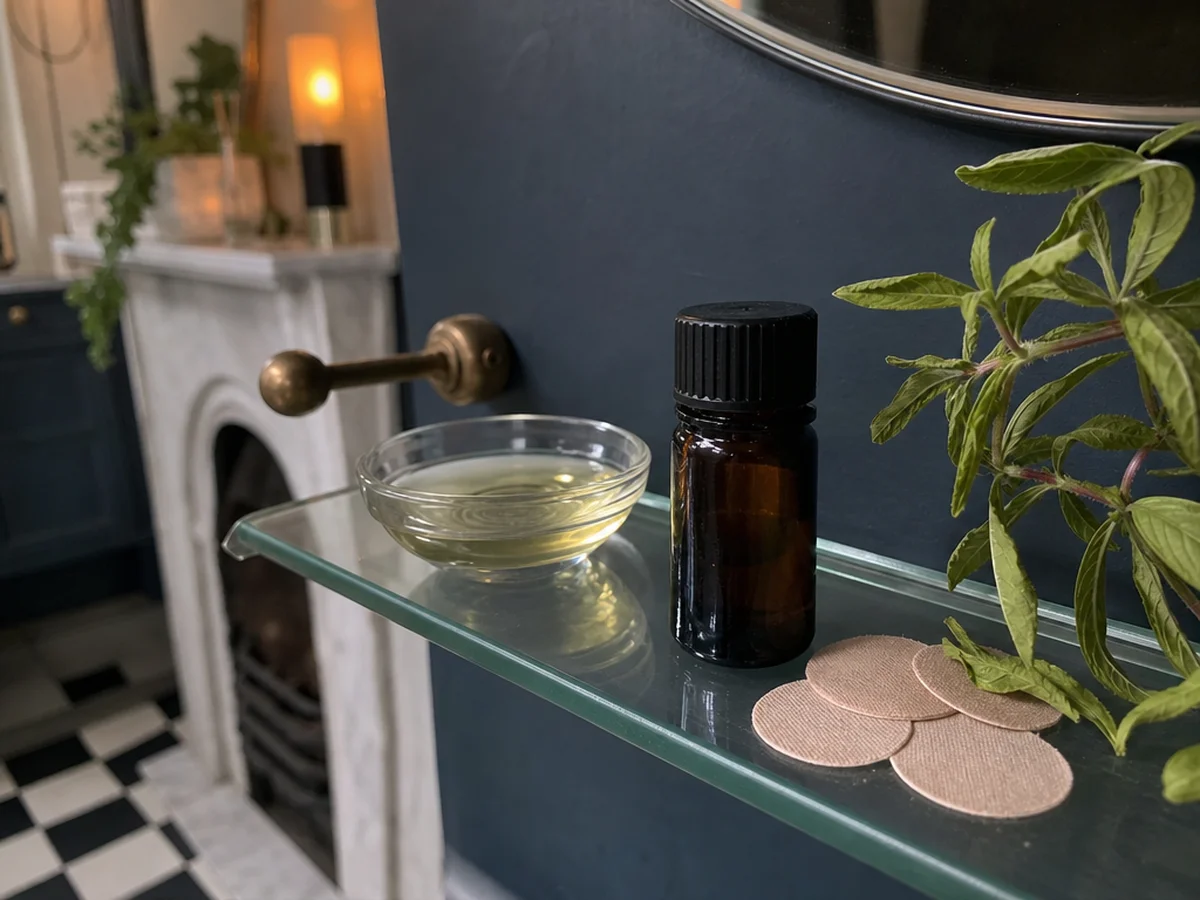
Choosing a species is a question of scent, not of safety. We sell every oil neat, with one dilution line for all five: 0.5% to 2% in a carrier oil, with a patch test first. The Tisserand Institute lists 0.2% to 1% for reaction-prone skin, 0.5% to 1.2% for the face and 1% to 3% for body oils, and it names no eucalyptus-specific figure (Dilution for essential oils - Tisserand Institute). So we start at the low end, whichever oil is in the bottle. Keep all five away from children and pets, and ask a pediatrician, obstetric provider, physician or veterinarian about infants, pregnancy, asthma or animals. Our safety guide has the broader picture.
Whichever tree you choose, we hope the name on the bottle becomes the beginning of a good question rather than the end of one.
Eucalyptus Essential Oil
Eucalyptus Essential Oil from our own shop, in sizes from 0.5 oz to bulk.
From $9.99
Shop Now →