Eucalyptus Oil Origin: Does the Country Matter?
It is natural to read a country name on a bottle of eucalyptus oil as a promise. Australia, Portugal, China: each sounds like a shorthand for quality. In practice, a place name stands in for several different things at once, and understanding them makes you a much better buyer, whichever oil you choose.
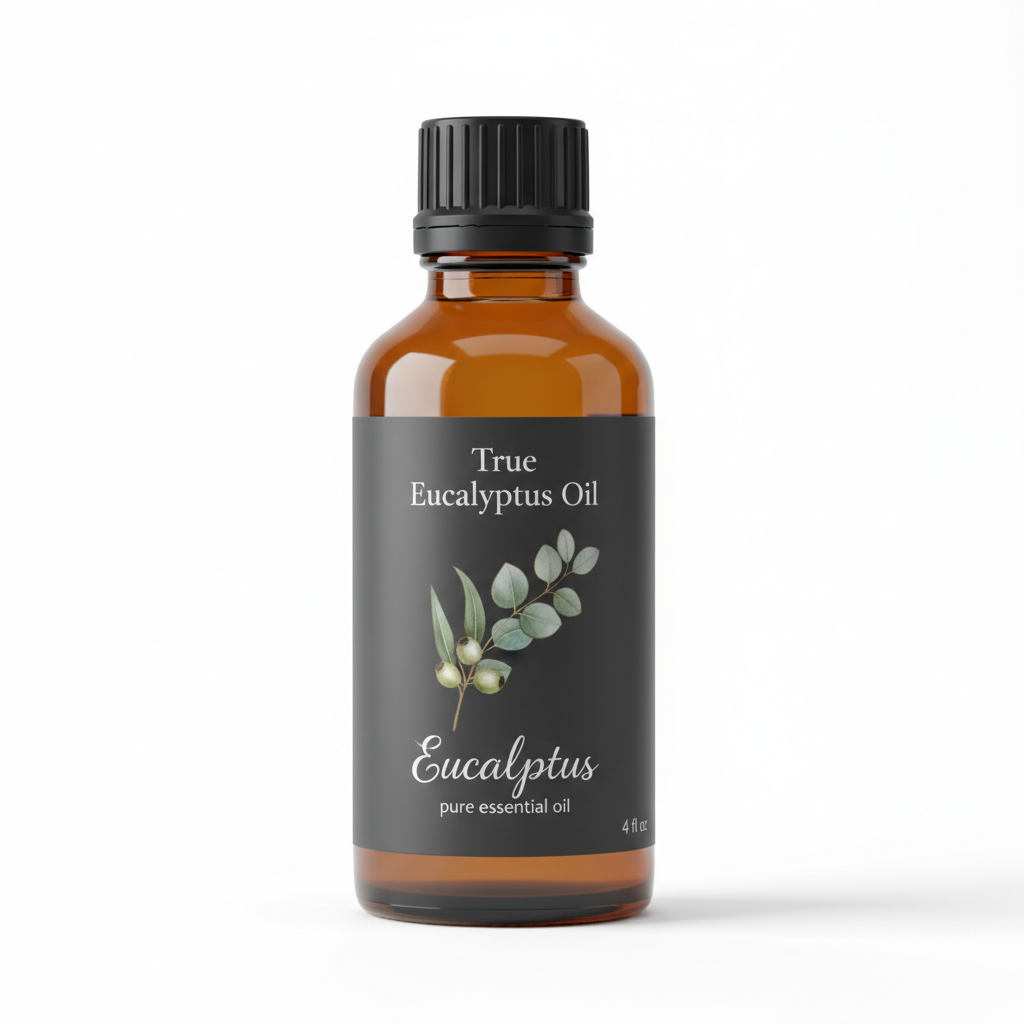
Eucalyptus Essential Oil
Our own Eucalyptus Essential Oil, in sizes from 0.5 oz to bulk.
From $9.99
Shop Now →What a country name stands in for
When we ask "does origin matter?", what we really want to know is four things. Which species was distilled? Which chemical variant of it? How was the oil processed afterward? And is the bottle what the label says? A country answers none of these on its own. A recent review of Eucalyptus globulus in the journal Plants describes the oil as rich in 1,8-cineole and says the wide variation between reports likely reflects differences in plant material, geographical origin, developmental stage, extraction procedure and analytical approach, all together. Origin is one ingredient on that list, not the whole recipe.
Species comes first
This is why we describe each of our five eucalyptus oils by the species it comes from. Globulus (the Tasmanian blue gum) is cool, clean and camphor-fresh with a faintly sweet, woody finish. Radiata, the narrow-leaved peppermint gum, is softer and gentler. Smithii, the gully gum, is smooth and rounded. Dives, the broad-leaved peppermint gum, is minty and sweet over a camphoraceous spine. Lemon eucalyptus (citriodora) is bright, lemony and citronella-like. They are different species, and not interchangeable in a recipe: swap one for another and the scent changes noticeably. A country grows whichever species it grows, so the name of the species on the label tells you more about the scent than the flag does.
Leaf age is a quiet variable
Even within one species, small differences matter. A 2026 study in Pest Management Science compared oils distilled from juvenile leaves on young Eucalyptus globulus trees with oils from adult leaves on mature trees. The metabolomic profiling showed similar overall diversity, but the young-leaf oil held more alpha-pinene and beta-pinene, while the adult-leaf oil was richer in oxygenated compounds such as 1,8-cineole and trans-pinocarveol. Same species, different leaves, different balance. For a buyer, the lesson is that a single species name still leaves room for variety, and it is a good reason to ask about the batch, not only the place.
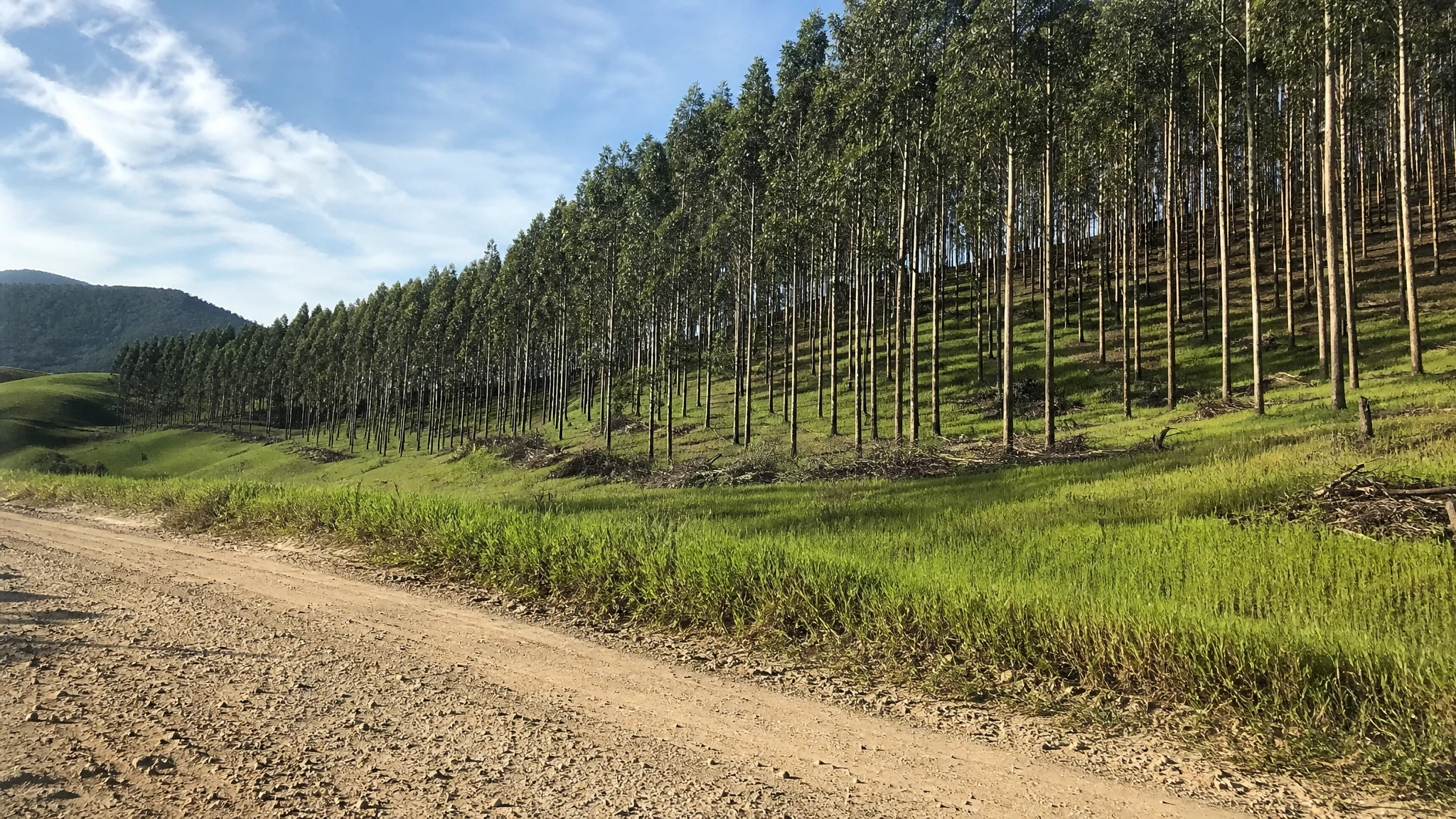
It is worth remembering that trees of this family now grow in many countries, far from where they began. That is part of why a country name alone cannot carry the whole story of a bottle, and why we would rather you ask about species first.
Processing and everything after
Distillation and handling come after the leaf is picked, and the review above lists extraction procedure as one more source of difference between oils. Reasoning from that list, two bottles that share a country can still differ, and two bottles from different countries can be close, which is why we treat a country as a clue rather than a verdict.
Curiosity is a good quality in a buyer. Reading labels, comparing aromas and asking questions will teach you more about eucalyptus in a month than any single country name could in a year, and it makes the oil more fun to own.
A smell test that beats a map
If you want to feel the point instead of reading it, try something simple. Put a drop of each of two different eucalyptus oils on separate paper strips, label them in pencil, and smell them one after the other with a minute between. Globulus beside lemon eucalyptus is the most dramatic pair, because one is cool and camphor-fresh and the other is bright and lemony, but even globulus beside radiata shows you a difference between a sharp edge and a soft one. Nobody needed a flag to tell them which was which.
What a label can tell you
When you pick up any bottle, read it slowly. Look for the oil's common name, the Latin name, and the size. Ours come in amber glass with a black cap and a black label showing the oil's name, its Latin name and the size in fluid ounces. A Latin name is more useful than a country because it tells you the tree. If a label leaves it out, that is a fair reason to ask a question before you go further.
How we suggest you use this
A good set of questions for any eucalyptus oil is more useful than a favorite country. Does the label name the species? Does the seller say which oil it is in plain words? Can they tell you more about a specific batch if you ask? We name the species of every oil we sell, and if you need a constituent report such as GC-MS, a cineole share or species confirmation for a lot, ask us in writing through our contact page and get the answer in writing before you rely on it. If your plan is a larger order, our wholesale page explains how to start with sample bottles.
The scent itself is easy to judge, and it is worth taking time over. Our guide to what eucalyptus oil smells like and our species guide are good places to start, and our buying questions are worth a read before your first bottle.
In the end, a good eucalyptus oil is one that is clearly labelled, honestly described and a pleasure to smell.
Eucalyptus Essential Oil
Eucalyptus Essential Oil from our own shop, in sizes from 0.5 oz to bulk.
From $9.99
Shop Now →Sources & Further Reading
- Radbea OR et al., "Eucalyptus globulus: From Botanical Identity to Cross-Disciplinary Preclinical Relevance in Dentistry, Medicine, and Nanotechnology", Plants (Basel), 2026
- Pinto M et al., "How does leaf age affect performance? A comparative study of essential oils from young and mature Eucalyptus globulus leaves in crop protection", Pest Management Science, 2026