How to Make Eucalyptus Oil: Still vs Infusion
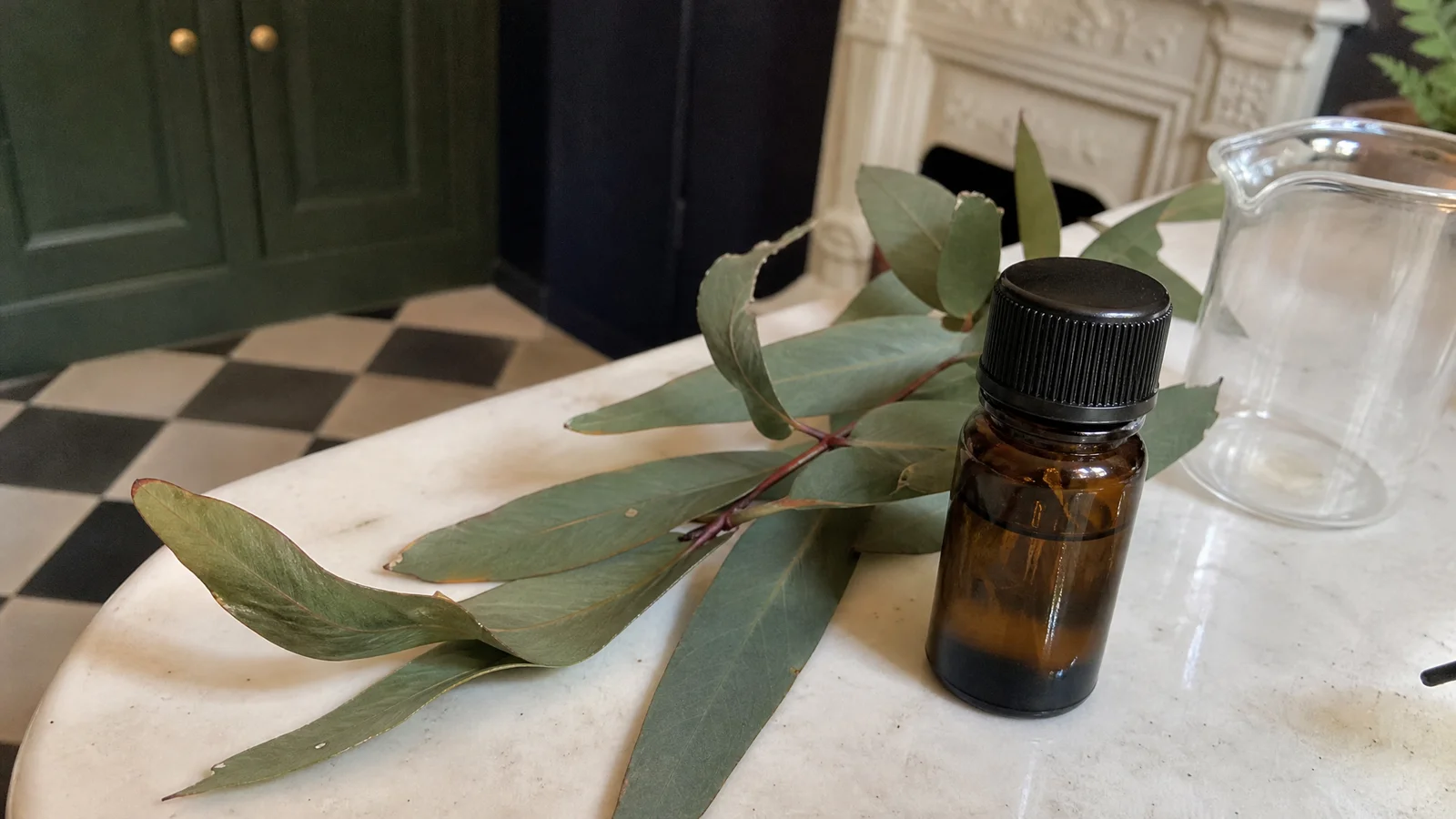
"How do I make eucalyptus oil?" is really two questions. One is about essential oil, the fragrant liquid that comes off a still. The other is about an infused oil, where leaves steep in something like olive oil and give it a gentle eucalyptus scent. Both are fun to understand, and they make very different things.
Eucalyptus Essential Oil
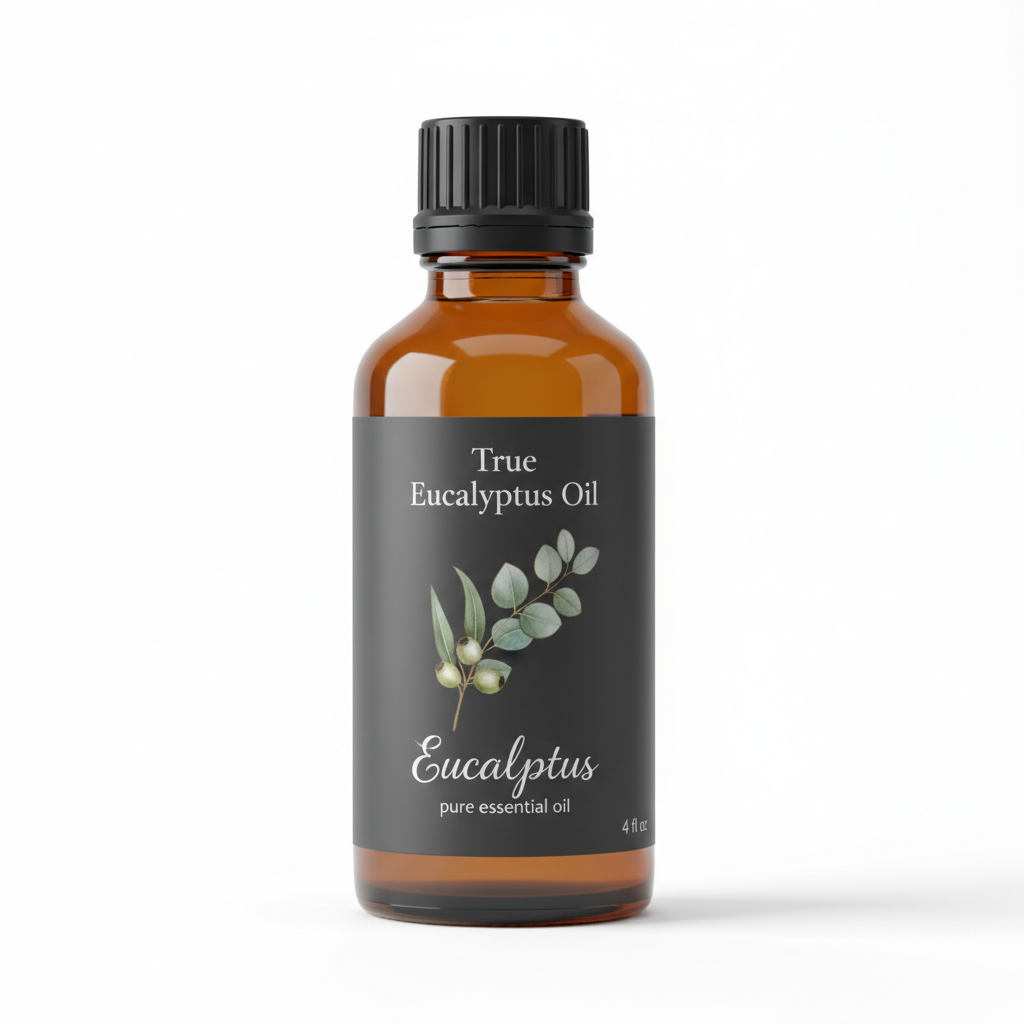
Our own Eucalyptus Essential Oil, in sizes from 0.5 oz to bulk.
From $9.99
Shop Now →Why this is such a charming idea
There is something romantic about turning a leaf into a fragrance. Most of us have crushed a eucalyptus leaf between our fingers and caught that clean smell on our hands, and wondering whether you could bottle it is a natural next thought. We love that curiosity, because it makes you pay attention to leaves, trees and the work behind every little bottle on a shelf.
What a still actually does
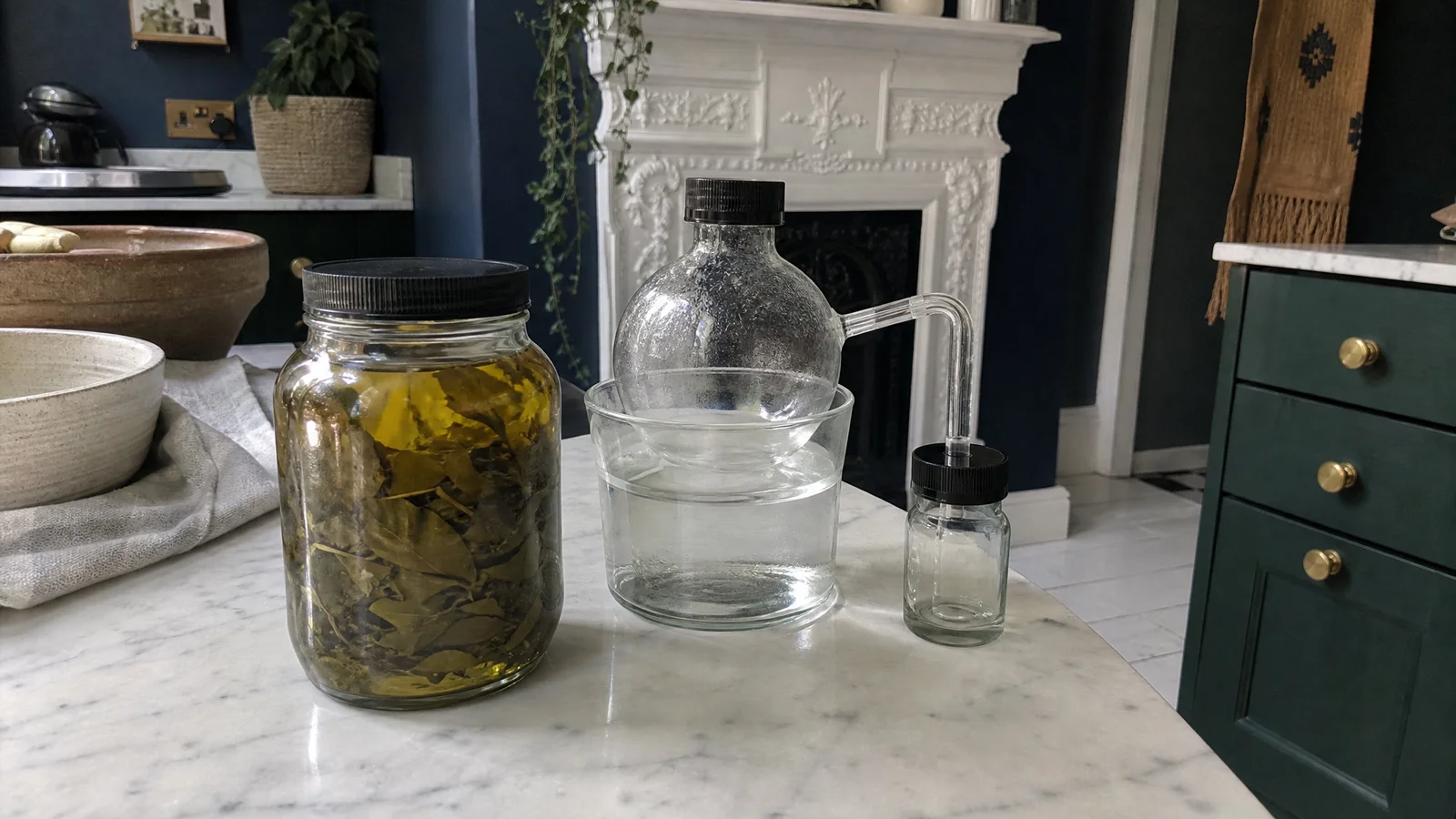
Commercial eucalyptus oil is made by steam distillation. The EFSA opinion on eucalyptus oil describes the process plainly: steam passes through the leaves, the volatile oil rides out with it, the vapor is condensed, and the oil is separated from the water by decantation. For the cineole-rich oils the European Pharmacopoeia describes, there is often a second distillation (rectification) to bring 1,8-cineole above 70%.
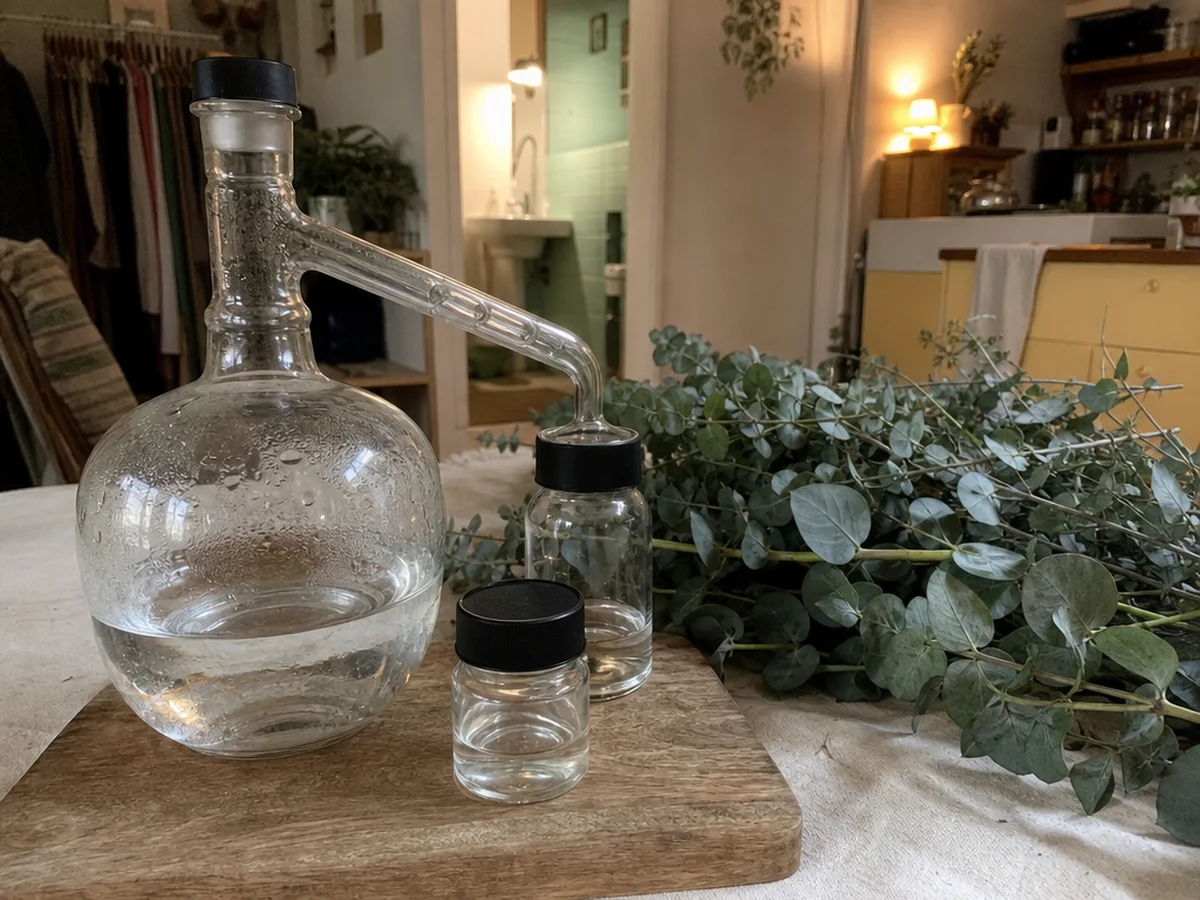
That is why a stockpot with a lid is not a still. You need somewhere for the vapor to be cooled and collected, and a way to separate oil from water. Small copper or stainless stills built for the job exist, and the Alcohol and Tobacco Tax and Trade Bureau says that small stills of a gallon or less used to extract essential oils by steam or water methods are not subject to its requirements, while advising you to check state and local rules as well. If you are shopping for equipment, check those rules first.
How much leaf one bottle takes
The European Pharmacopoeia sets a minimum of 20 mL of essential oil per kilogram of whole dried eucalyptus leaf, according to the EFSA opinion. Taking that minimum as a rough guide, here is our arithmetic. A one-ounce bottle holds about 29.6 mL, so it would take roughly 1.5 kg of dried leaf, and more if your leaf is richer in water or poorer in oil. That is a lot of leaf for one small bottle, and a home still holds only a fraction of what a working distillery loads.
The result is also a different oil from what comes in a retail bottle. Without rectification and without a laboratory report, you cannot know how much cineole you have made. Nothing in a home setup measures it. The gas chromatography report that does is covered in our GC-MS guide.
Handling the oil safely
1,8-cineole has a closed-cup flash point of 49 C (120 F), so a collection vessel near an open flame is a fire risk, and steam is a burn risk. Collected oil also needs the same respect as bottled oil. Poison Control states that a teaspoonful or less of undiluted eucalyptus oil can be fatal, so a cup or open jar of freshly collected oil should never sit where a child or pet can reach it. If a swallowing happens, call Poison Control at 1-800-222-1222.
The infused oil route
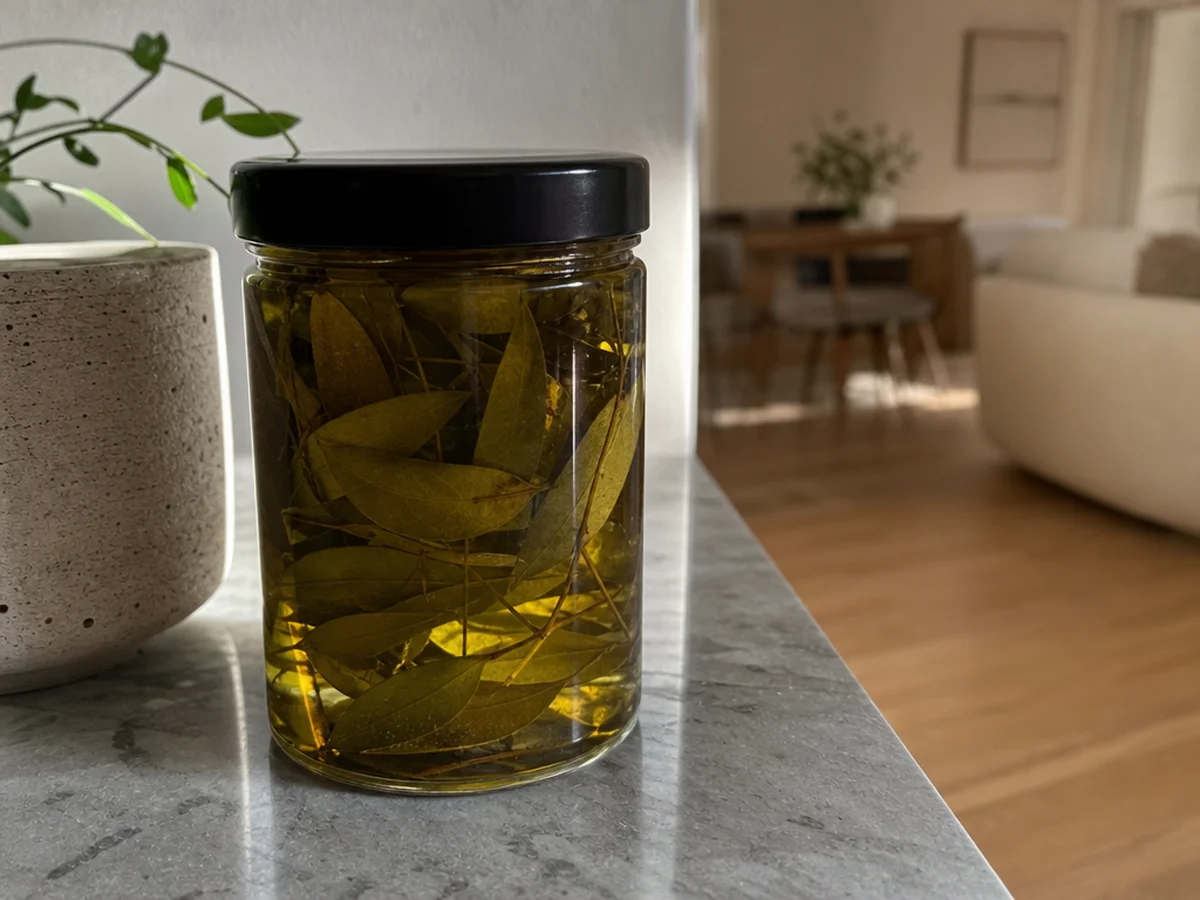
Steeping leaf in a carrier oil is gentler, and it makes a lightly scented oil, not an essential oil. How much of the leaf's aroma ends up in the carrier is not something we can put a number on, so do not reuse essential oil dilution percentages on it.
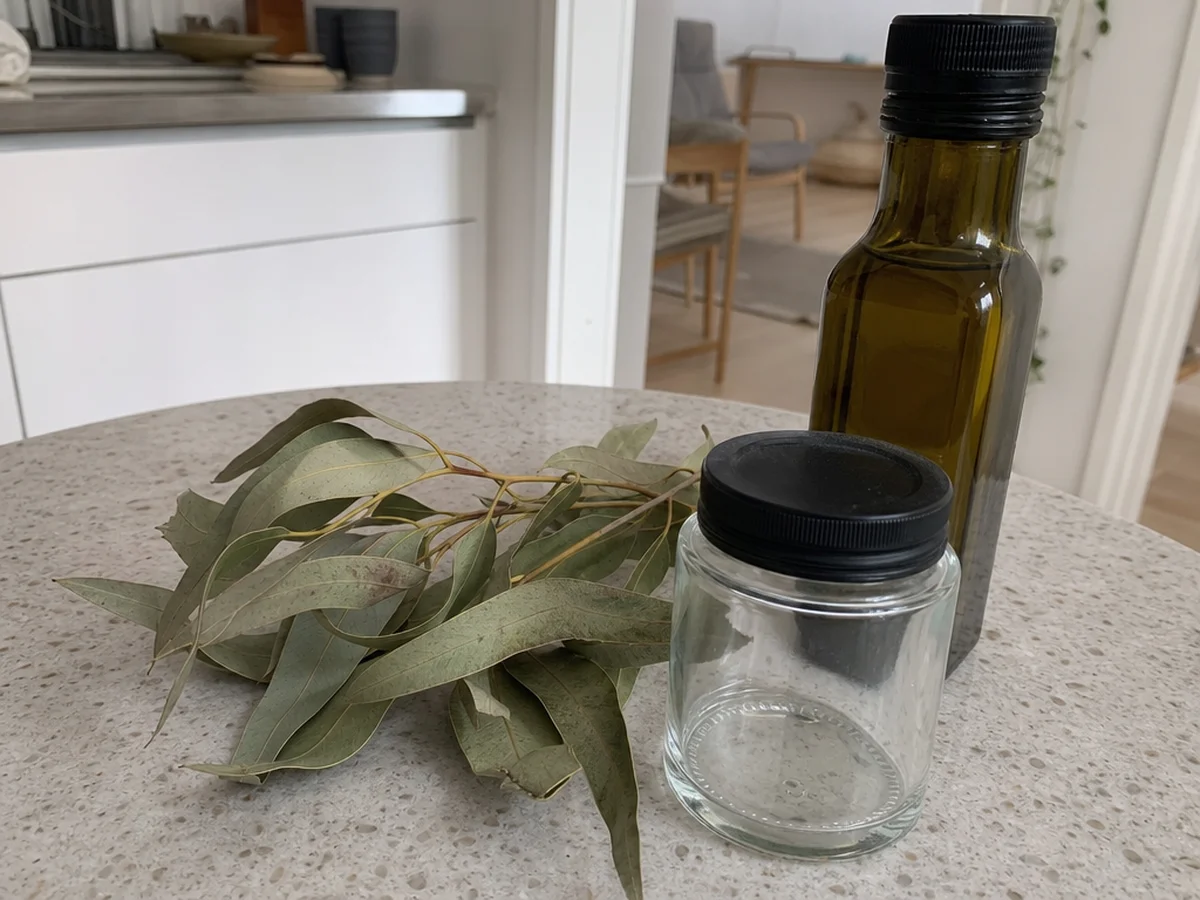
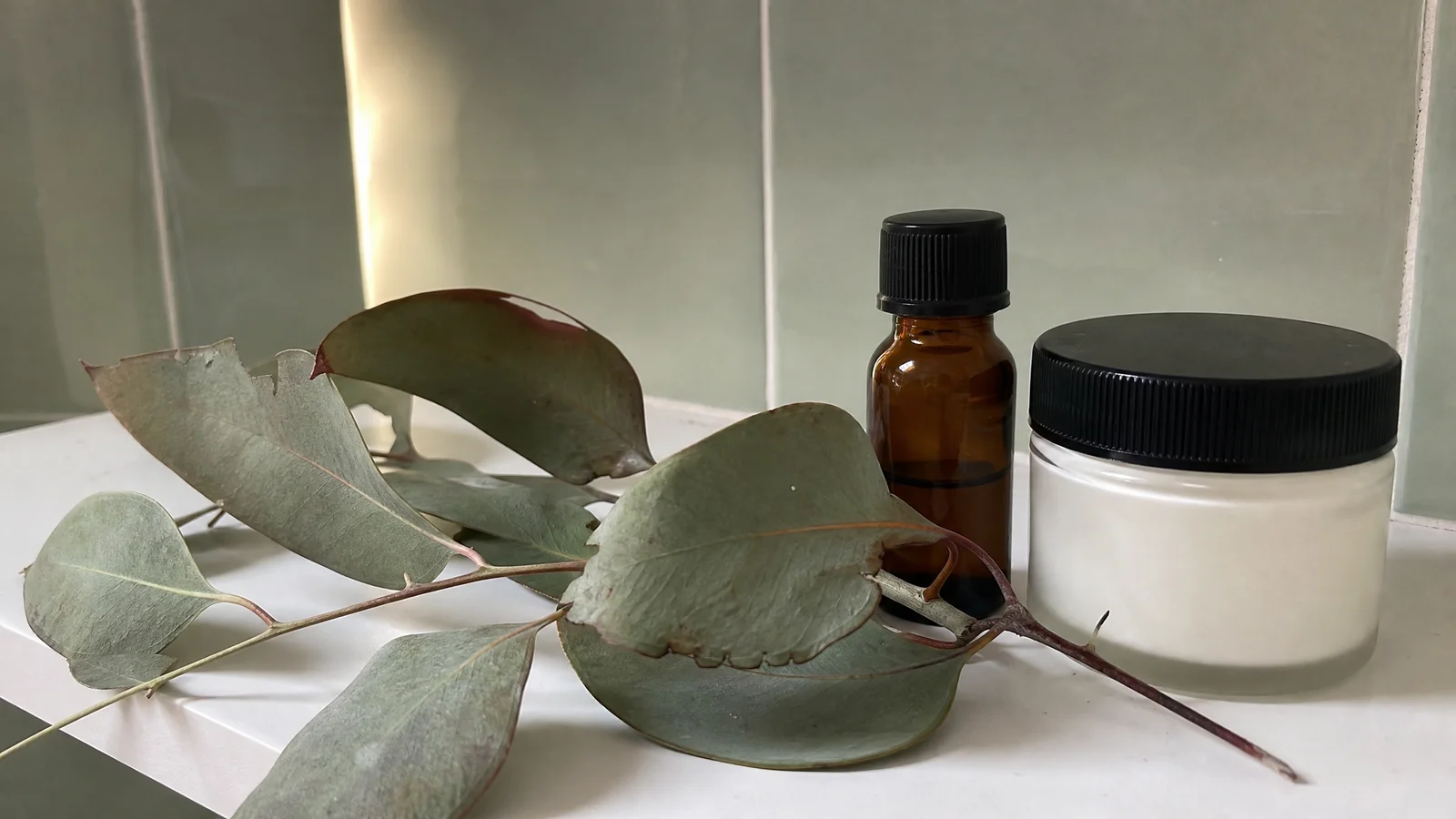
The bigger consideration is food safety. The University of Maine Cooperative Extension bulletin on infused oils explains that infused oils are low-acid foods, that fresh herbs most likely carry C. botulinum spores, and that dried plant material is the safest choice. Its method for dried material is to heat the oil to 180 F, pour it over the dried plant, cap, and store in a cool, dark place. It advises against keeping homemade infused oils longer than three months, and it asks you to label the date. We would add one thing of our own: because eucalyptus is not for eating, label an infusion clearly as external use so nobody mistakes it for a kitchen oil. Jojoba, sweet almond and other carriers come from craft shops and grocery stores. We compare them in our carrier oil article.
A gentler way to enjoy the leaf
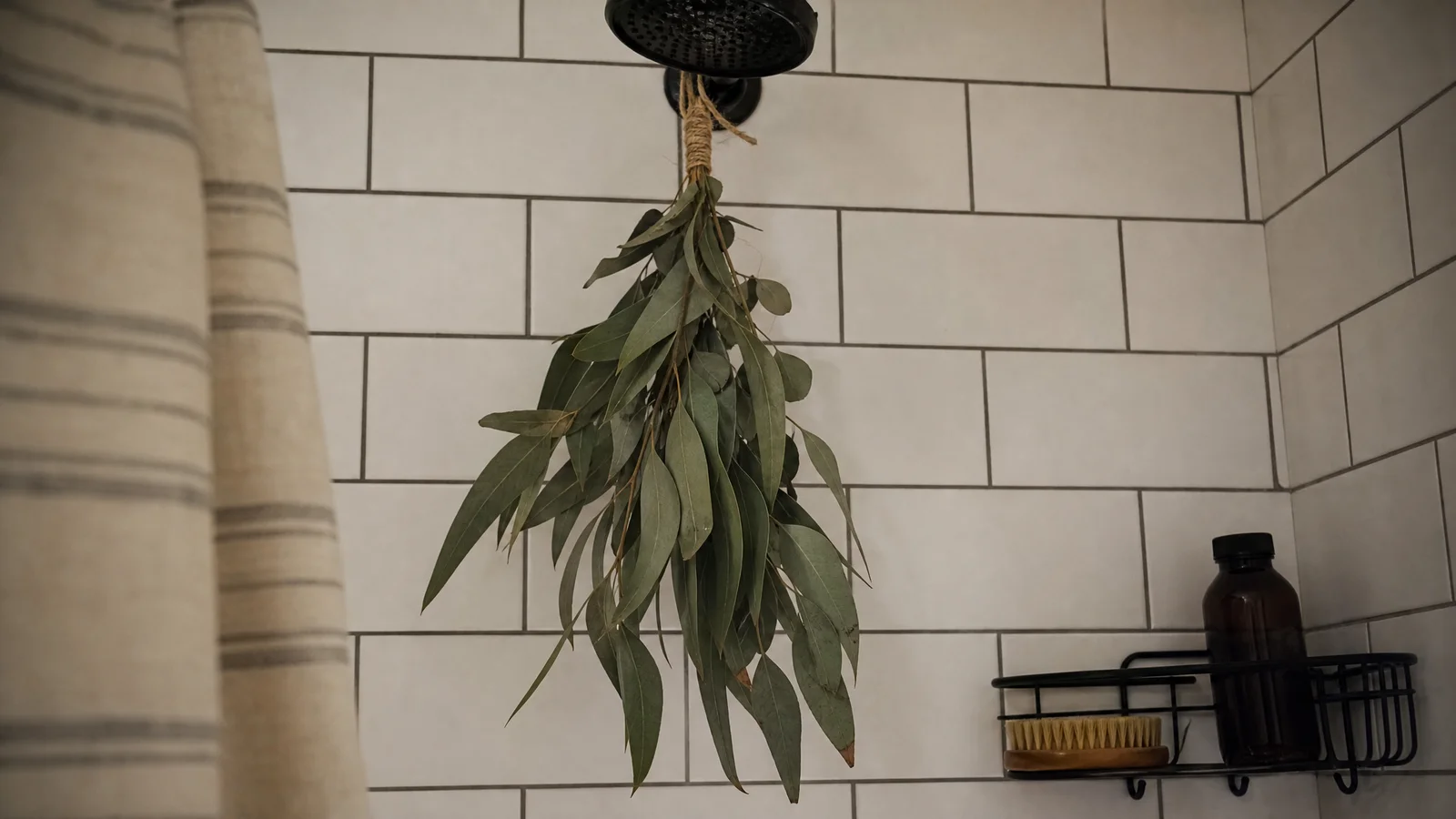
If what you really want is the feeling of eucalyptus at home, there are easy, low-effort ways to get it that need no equipment at all. A few fresh stems in a vase, tied in a loose bunch, give a room a green, fresh smell for days. Hung in a bathroom out of the direct water, they release a little more scent when the room warms up. Crush a single leaf between your fingers now and then and the smell comes back to life. It is not an oil, and it is not trying to be, but it is a lovely way to enjoy the tree.
Questions to ask yourself first
- What do I want at the end? A scented room, a scented oil for a craft project, or a true essential oil are three different goals.
- How much time do I have? A still takes a whole afternoon and plenty of attention. An infusion takes a quiet shelf and some patience.
- Who else is in the house? Children and pets change how you store everything, finished or not.
Answer those honestly and the right path usually becomes obvious.
When buying makes sense
If what you want is a measured, labeled oil for a diffuser or a diluted body product, buying one is simply less effort, and it lets you pick the species for the scent you want. Our piece on origin covers what a label can and cannot tell you. Making your own is still a lovely weekend project for anyone curious about how a leaf becomes a fragrance, and understanding the process makes every bottle on the shelf more interesting.
Eucalyptus Essential Oil
Eucalyptus Essential Oil from our own shop, in sizes from 0.5 oz to bulk.
From $9.99
Shop Now →Sources & Further Reading
- Safety and efficacy of a feed additive consisting of an essential oil derived from Eucalyptus globulus Labill. (eucalyptus oil) for all animal species (FEFANA asbl), EFSA Journal, 2023.
- Distilled Spirits FAQs, Alcohol and Tobacco Tax and Trade Bureau.
- Bulletin #4385, Safe Homemade Flavored and Infused Oils, University of Maine Cooperative Extension.
- PubChem: 1,8-Cineole (CID 2758), National Library of Medicine.
- Eucalyptus oil: Is it safe?, Poison Control.