How to Blend Eucalyptus Oil: Ratios That Work
Eucalyptus is the oil that walks into a blend first and talks the longest. A single drop too many and the other oils in the bottle turn into background. The good news is that blending it well is mostly arithmetic and restraint, and the arithmetic fits on the back of an envelope.
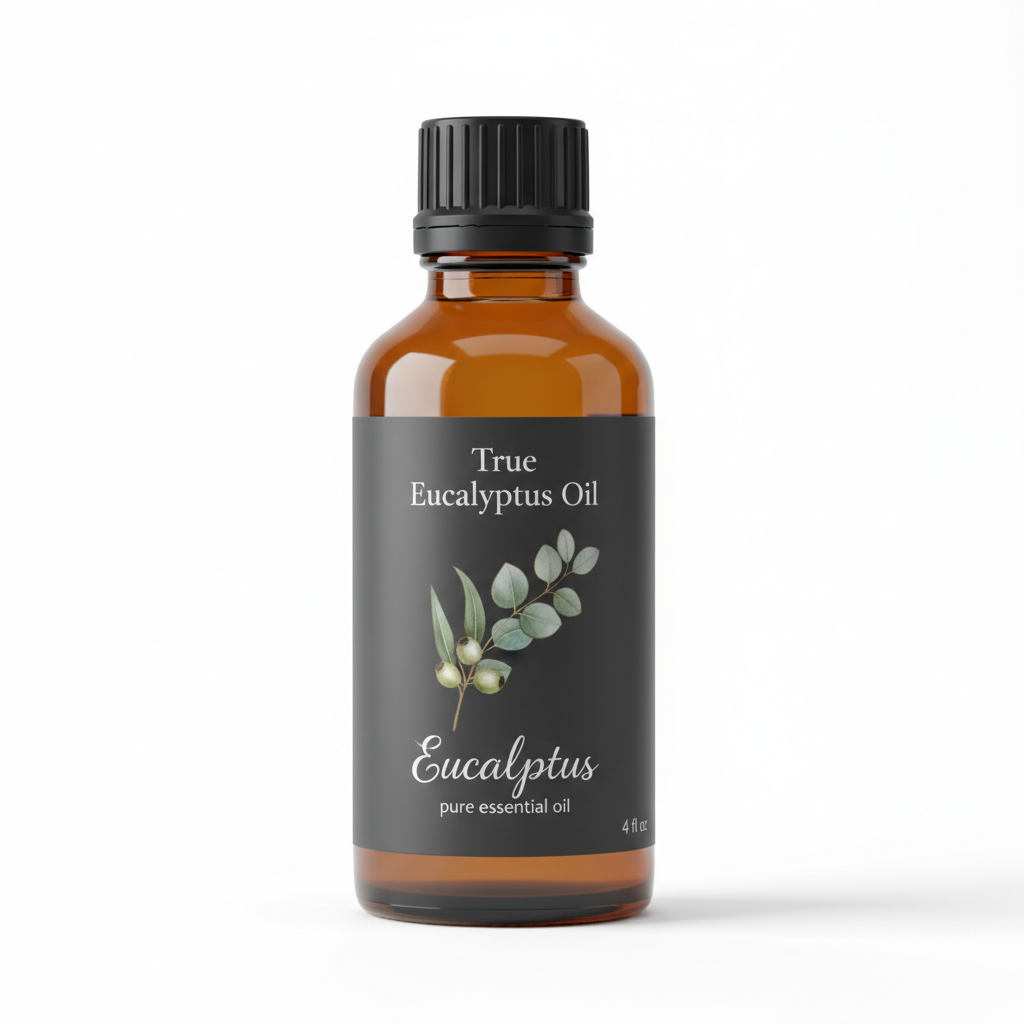
Eucalyptus Essential Oil
Our own Eucalyptus Essential Oil, in sizes from 0.5 oz to bulk.
From $9.99
Shop Now →Treat it as the seasoning, not the main dish
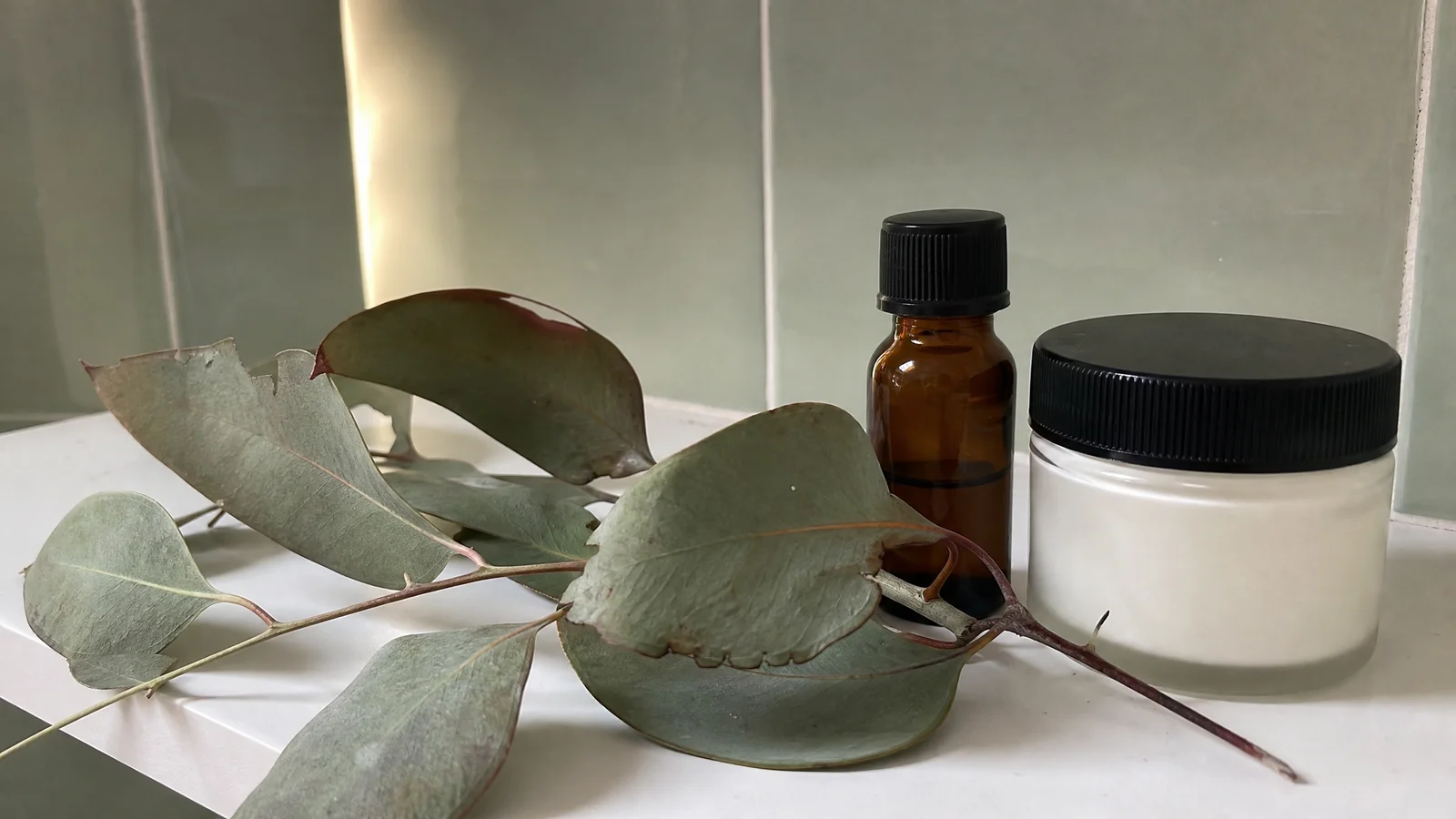
We list eucalyptus as a top note, which means it is the first thing you smell and the first thing to fade. Cool, camphor-fresh oils like our globulus eucalyptus carry a lot of presence per drop, so the simplest rule is to give eucalyptus the smallest share of the drops and let a rounder oil carry the middle. A ratio we suggest as a starting point is 1 part eucalyptus to 2 parts of a softer oil, plus 1 part of a bright oil. With lavender and lemon as the partners (both are on the list of oils we say blend well with our globulus), that reads as 1 eucalyptus, 2 lavender, 1 lemon. Lavender and lemon are not oils we sell; a craft or aromatherapy supply shop will have them.
If you reach for one of our softer eucalyptus oils, such as radiata, smithii or dives, you can nudge the eucalyptus share up to 1 to 1 with the middle oil, because the aroma is gentler. We note that a recipe written for another species will smell noticeably stronger with globulus, which is exactly why ratios copied from a blog post need adjusting to the species in your bottle. If you are unsure which of ours is which, our guide to the five species sorts that out.
Blend first, then dilute the whole thing
This is where most blends go wrong. The skin does not meet your ratio, it meets the final percentage of all essential oil in the carrier. Eucalyptus at 1%, lavender at 1% and lemon at 1% is a 3% blend, not three separate 1% blends. So decide on one total percentage first, then split it between the oils.
For the total, Tisserand Institute's dilution guide gives 0.5% to 1.2% for the face and sensitive areas, 1% to 3% for body oils and lotions, and 0.2% to 1% for sensitive or impaired skin. We recommend 0.5% to 2% in a carrier for general skin use, and we would start at the low end of that range, because eucalyptus is potent and a light touch is what makes a blend pleasant anyway. Your own formulation should also be checked against the IFRA standards for every oil in it. Keep blends away from eyes and broken skin, and keep the bottles away from children and pets.
The arithmetic, with real numbers
We use the common convention of about 20 drops per ml (bottle openings vary, so treat it as an estimate). Total drops equal ml of carrier times 20 times the percentage.
- 10 ml roller bottle at 1%: 10 ml x 20 drops x 0.01 = 2 drops in total. Split 1 : 2 : 1 and you are rounding to fractions of a drop, which tells you that small bottles want a pre-blend (see below).
- 30 ml body oil at 1%: 30 x 20 x 0.01 = 6 drops in total. A 1 : 2 : 1 split is 1.5 : 3 : 1.5, so 2 eucalyptus, 3 lavender, 1 lemon is a close fit.
- 30 ml body oil at 0.5%: 3 drops in total, for example 1 eucalyptus, 1 lavender, 1 lemon.
Our rule of thumb is one to two drops per teaspoon of carrier, and a teaspoon is about 5 ml, so about 100 drops. One drop in that teaspoon is already about 1%, which shows how little it takes. For a deeper look at those conversions, our dilution walkthrough goes through the same sums for a single oil.
A pre-blend makes tiny batches possible
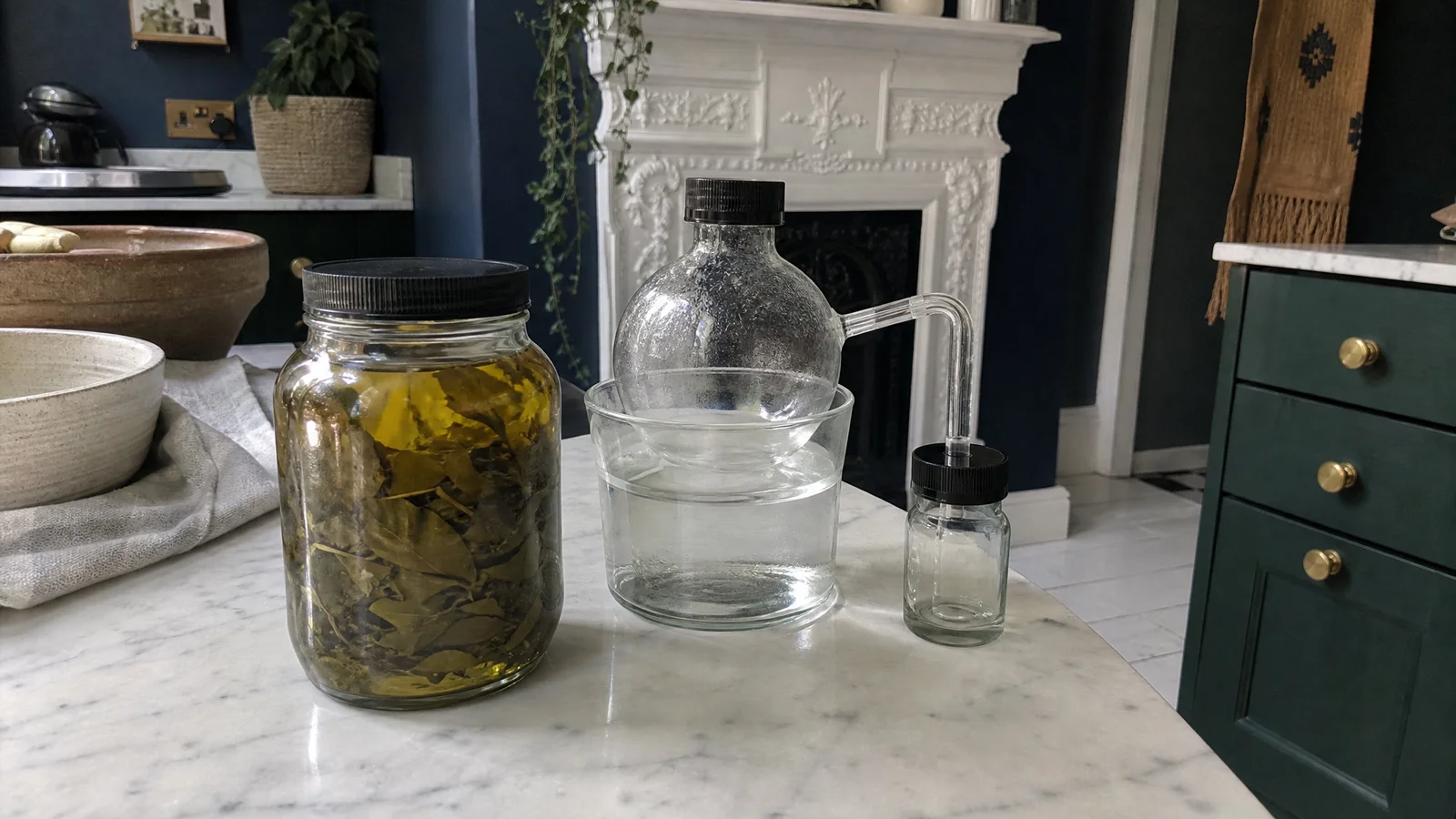
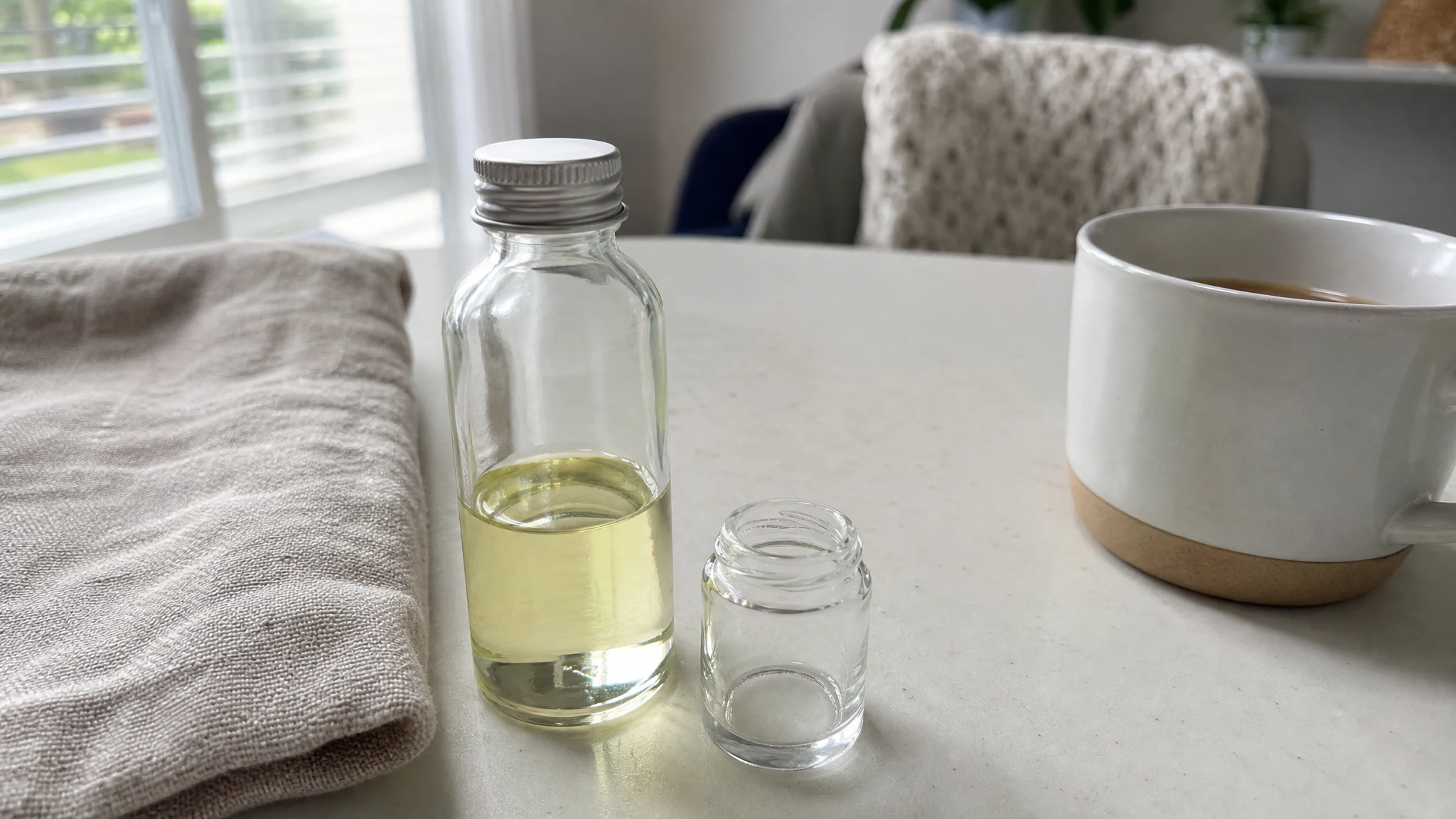
When the numbers come out below one drop, blend the essential oils on their own in the ratio you want, say 10 drops of eucalyptus, 20 of lavender and 10 of lemon in a clean small glass bottle. That is 40 drops, or about 2 ml, of concentrate. Then measure the concentrate by volume into your carrier: 0.3 ml in 30 ml of carrier is 1%. Measuring 0.3 ml needs a small syringe or pipette from a pharmacy or craft shop. Label the pre-blend with the date and the ratio so you can repeat it.
Four habits that keep blends clean
- Change one thing at a time. If you adjust the ratio and the carrier together you will not know which helped.
- Smell a blend again after a day. Top notes fade first, so the second impression is the more useful one.
- Patch test a small area first and wait 24 hours, which is the guidance we give for our oils.
- Do not stack eucalyptus with other strong cool oils unless you want a very sharp result. If you want eucalyptus and mint together, read our peppermint and eucalyptus piece first.
For room scenting, the same ratios apply in drops rather than percentages, and our diffuser pairings cover that side. Blending is a small craft: once you know your total, the rest is a matter of taste, and a bottle of eucalyptus goes a surprisingly long way.
Eucalyptus Essential Oil
Eucalyptus Essential Oil from our own shop, in sizes from 0.5 oz to bulk.
From $9.99
Shop Now →