Eucalyptus Oil Uses: Scent-First Ideas for Home
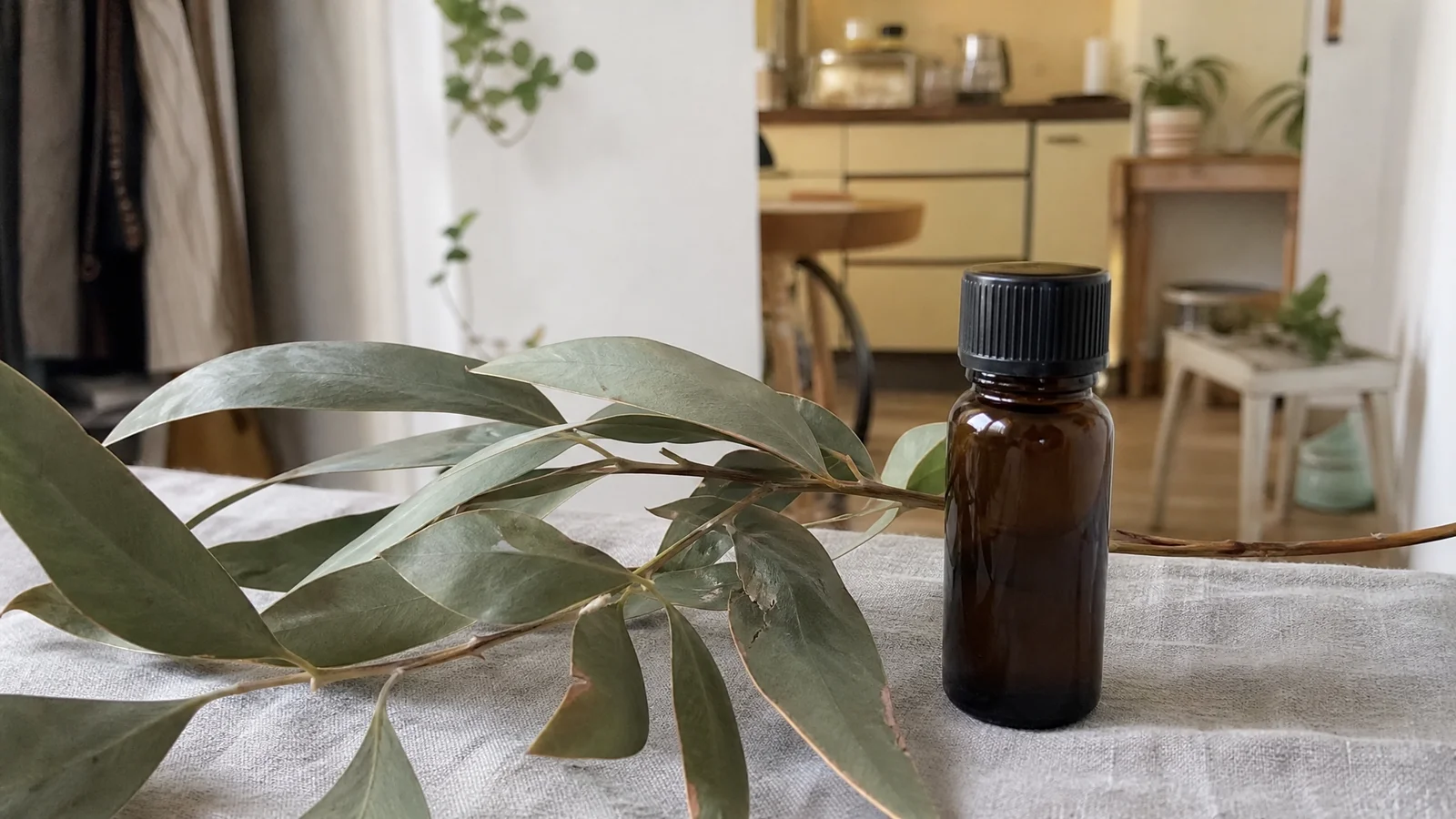
Ask ten people what eucalyptus oil is for and you will get ten different answers, from a steamy shower to a cleaning cupboard to a medicine chest. We start with the answer we can stand behind: it is a wonderful scent. Every use we describe below begins with aroma, and we think that is exactly where eucalyptus shines.
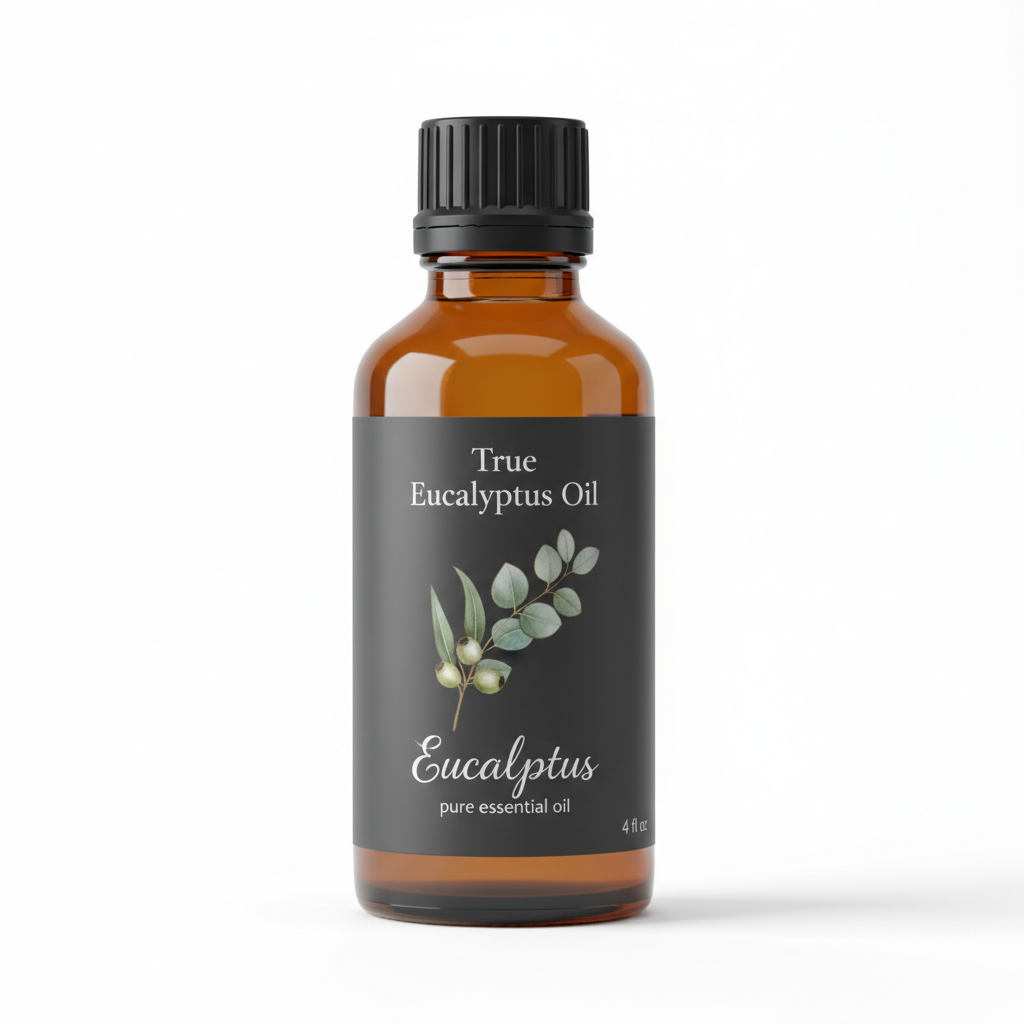
Eucalyptus Essential Oil
Our own Eucalyptus Essential Oil, in sizes from 0.5 oz to bulk.
From $9.99
Shop Now →Why we begin with the scent
There is a practical reason as well as a poetic one. The FDA explains that whether a product counts as a cosmetic or a drug "is determined by a product's intended use," and that this principle holds for essential oils too. A fragrance marketed to promote attractiveness is a cosmetic, while one sold with claims that the scent will help you sleep or quit smoking meets the definition of a drug. Plant origin does not change that (Is It a Cosmetic, a Drug, or Both? (Or Is It Soap?)).

So we sell our five eucalyptus oils as aroma materials for the home, and we leave the health, pest and germ questions to the doctors, pharmacists and researchers who study them. Our own myth-busting piece, Eucalyptus Oil Myths Checked, looks at those questions with sources if you are curious.
The uses we love
Think of this list as a menu, not a prescription. Eucalyptus is a strong personality, so most of the pleasure comes from restraint: a few drops, a clear purpose and a bottle you close properly afterward.
A steam room or shower
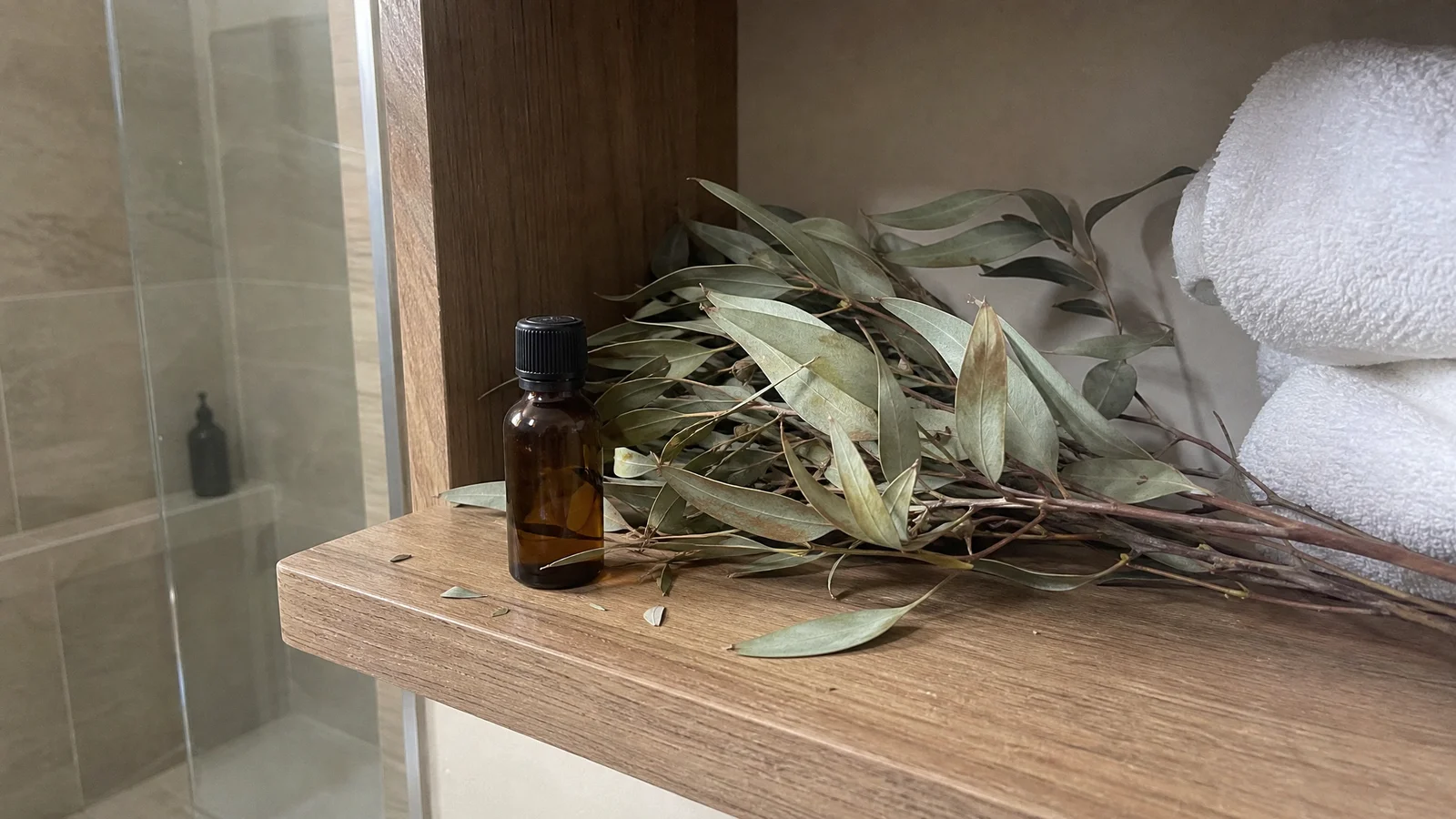
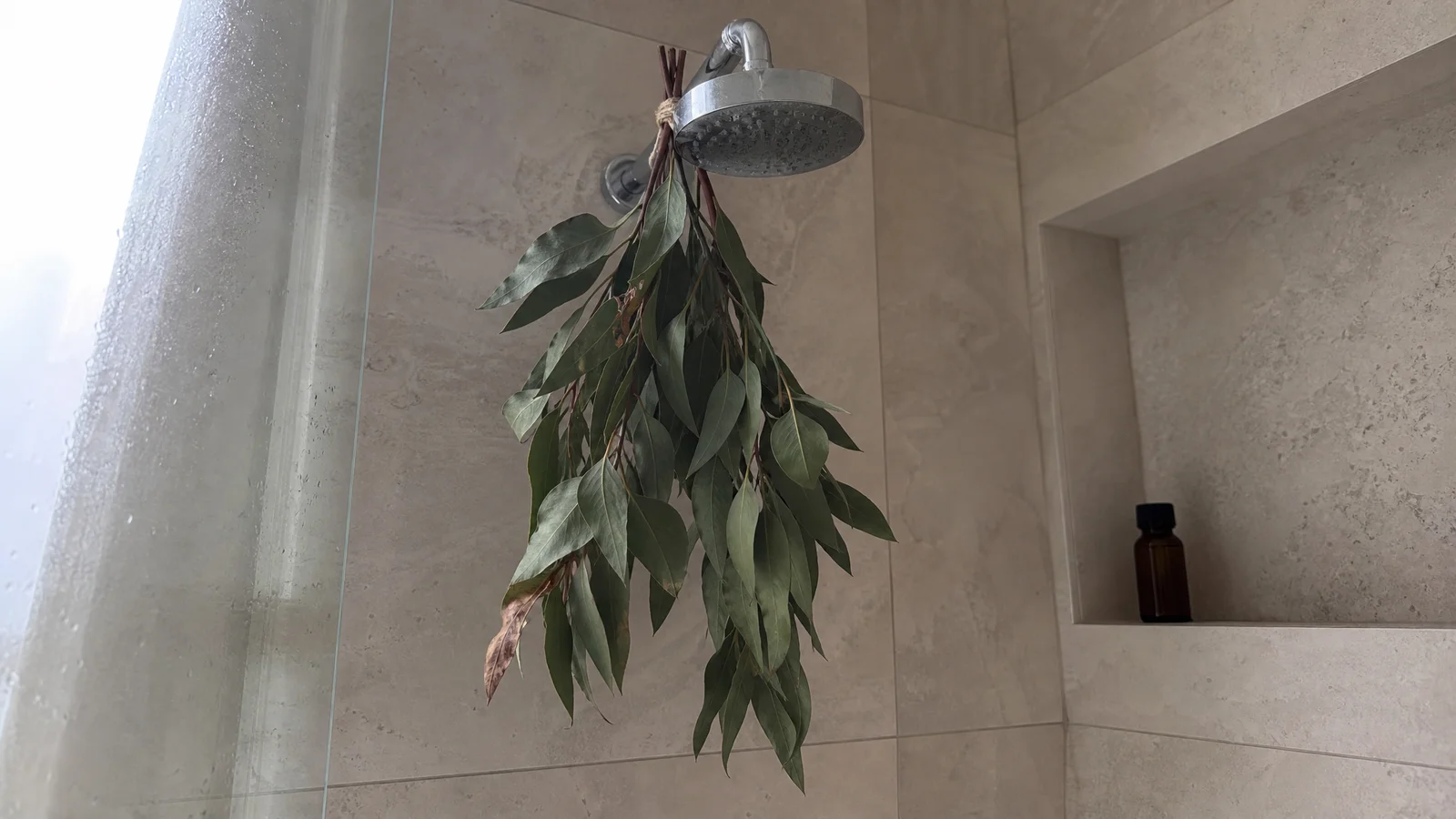
This is the classic. A few drops on the floor of a hot shower, away from the drain and out of the direct stream, turn a bathroom into something that smells like a spa. We would pick our globulus for this: it is cool, clean and camphor-fresh, which is exactly the character people picture. One practical note from simple common sense: an oiled floor is slippery, so keep a hand near the wall. Our shower piece, Eucalyptus in the Shower, covers the set-up in more detail.
A diffuser
Eucalyptus is a top note, which means it greets you first and fades quickly. That makes it a lovely opener for a blend with lavender, lemon or peppermint, and a small amount goes a long way. Our diffuser guidance is simple: a few drops, a room you control, and a break rather than all-day running.
Soap, candles and home fragrance
Makers reach for eucalyptus when they want a clean, green note. If you want citrus in the mix, our lemon eucalyptus (Eucalyptus citriodora) is bright and lemony and skips the camphor edge. You will find wax, lye, wicks and recipes at a craft or soap-supply shop, because we sell the oils and nothing else.
On skin, diluted
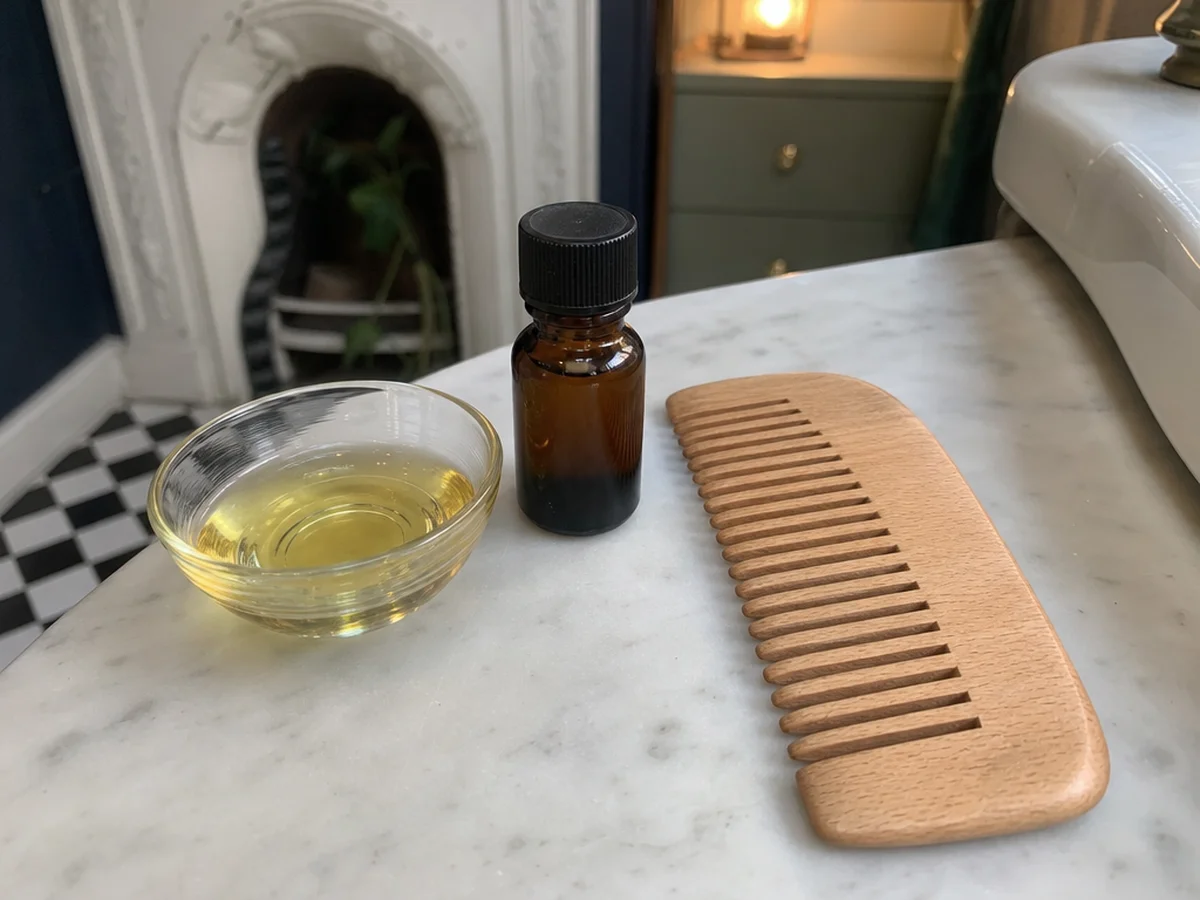
Our guidance is 0.5% to 2% in a carrier oil, which works out to roughly one to two drops per teaspoon, with a patch test on a small area first and a wide berth around the eyes. We tell people to begin at the bottom of that range. The Tisserand Institute lists 0.5% to 1.2% for facial cosmetics and 1% to 3% for body oils and lotions, and 0.2% to 1% for skin that is already reaction-prone (Dilution for essential oils). Those are general ranges rather than eucalyptus-specific figures, so we treat 2% as a ceiling and 0.5% as a sensible first step. Our dilution walkthrough shows the arithmetic.
A linen or cupboard refresh
Some people like the idea of a clean-smelling linen cupboard. Eucalyptus is a natural fit for that mood, but keep the oil off the fabric itself, since a neat drop leaves a mark. A better approach is to let a scent do its work from a small distance, such as a dried bundle of leaves you have scented lightly, or a cotton pad tucked in a basket away from anything you would hate to stain.
A quiet moment at the end of the day
Here is a small ritual we enjoy recommending: pick one oil, open the bottle, and take a slow, polite sniff from a few inches away. Notice whether it feels sharp, sweet, woody or lemony. That two-minute exercise teaches you more about which eucalyptus belongs in your home than any description can, and it costs you almost nothing.
Choosing the right oil for the job
The five oils are different trees with different personalities, and they are not interchangeable in a recipe. Globulus is the sharp, bracing one. Radiata and smithii are softer and rounder, and dives is minty and sweet over a camphor spine. Lemon eucalyptus is its own thing entirely. A recipe written for one species will smell noticeably different with another, which is worth knowing before you buy a large bottle. Our species explainer, Globulus, Radiata, Citriodora, sets them side by side.
If you are still deciding where to start, our suggestion is the simplest one: pick a single use, such as the shower or the diffuser, and live with it for a couple of weeks before adding another. Eucalyptus rewards a gentle, step-by-step approach, and you will quickly learn which version of the scent you reach for.
Who should keep it out of the picture
Eucalyptus oil is strong, and a few households deserve a little extra thought. We advise that high-cineole oils are not appropriate for babies and young children, and that eucalyptus should never go on or near the face of an infant or young child. Keep diffusion light in a room where a small child sleeps, and ask a pediatrician about anything beyond that.
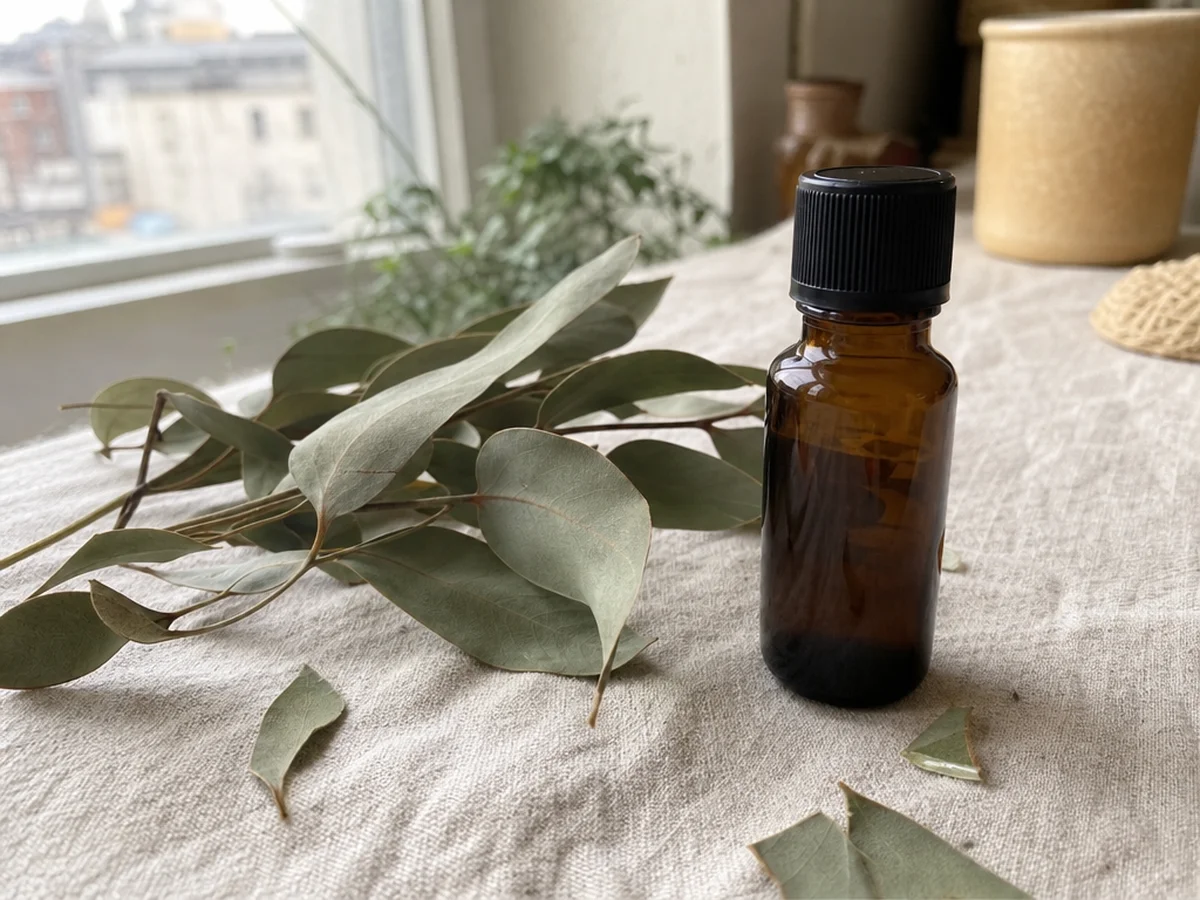
The oil is for external, aroma use only and should never be swallowed; keep it out of reach of children and pets. If someone does swallow it, call Poison Help at 1-800-222-1222. Pets deserve their own caution: the ASPCA lists eucalyptus as toxic to dogs, cats and horses, naming eucalyptol as the toxic principle (Toxic and Non-toxic Plants: Eucalyptus). That entry covers the plant, so a veterinarian is the right person to ask about diffusing around animals. If you are pregnant, have asthma or have a skin condition, check with your own clinician first.
Used with those few cautions in mind, eucalyptus is a simple pleasure: a fresh note in the shower, a crisp opener in the diffuser, a green accent in something you make by hand.
Eucalyptus Essential Oil
Eucalyptus Essential Oil from our own shop, in sizes from 0.5 oz to bulk.
From $9.99
Shop Now →