Eucalyptus Oil for Hair: A Cool, Tingly Note for Wash Day
If you've ever stepped into a steam room infused with eucalyptus and felt your scalp come alive with that familiar cool tingle, you already have a sense of what this oil brings to a hair care routine. Eucalyptus oil has a sharp, clean, camphoraceous scent that feels instantly invigorating. Beyond the sensory experience, many people incorporate it into their wash-day rituals for the refreshing quality it adds to an otherwise mundane chore.
This guide walks you through exactly how to use eucalyptus oil for hair, from a focused scalp massage to a pre-wash blend you can mix at home. We'll cover what to buy, what to avoid, and what you can realistically expect when you make this a regular part of your routine.
Is Eucalyptus Oil Good for Hair? What We Actually Know
It's a fair question, and the honest answer is: it depends on what you're hoping it does.
Eucalyptus essential oil is steam-distilled from the leaves of Eucalyptus globulus or, in some products, Eucalyptus radiata. Its primary active compound is 1,8-cineole (also called eucalyptol), which is responsible for both the cooling sensation and the characteristic aroma. Some research suggests that 1,8-cineole may support scalp circulation when applied topically, though this is an area of ongoing study rather than settled science.
What's more firmly established is the sensory and cosmetic appeal. People who use eucalyptus in their hair routines frequently report a cleaner, more refreshed feeling at the scalp, reduced buildup-related dullness over time, and a lingering freshness through wash day. Anecdotal evidence from long-time users suggests it may help promote a sense of scalp invigoration, particularly after workouts or during hot, humid months.
It is not a conditioning agent on its own. It won't add moisture or protein to your strands. Think of it as a scalp-focused aromatic, not a strand-focused nourisher. Used this way, within a properly balanced routine, it earns its place.
For a broader look at how eucalyptus oil fits into different home and personal care contexts, the complete guide to eucalyptus oil uses is a good place to start before diving deeper.
Before You Begin: Safety and Dilution
Essential oils are highly concentrated plant extracts. Eucalyptus oil applied neat (undiluted) directly to the scalp can cause irritation, sensitization, or a burning sensation, especially on sensitive skin. Proper dilution is not optional.
- Standard dilution for scalp use: 1 to 2 percent. That means 6 to 12 drops of eucalyptus essential oil per 30 ml (1 fluid ounce) of carrier oil.
- Always patch test first: Apply a small amount of your diluted blend to the inside of your wrist or elbow. Wait 24 hours before applying to your scalp.
- Avoid contact with eyes and mucous membranes.
- Not recommended for use on young children (under age 10) or near the face of infants. Consult a qualified healthcare provider if you are pregnant, nursing, or managing any health condition before using eucalyptus oil topically.
- If irritation occurs, remove the oil with a carrier oil (not water) and discontinue use.
What You'll Need
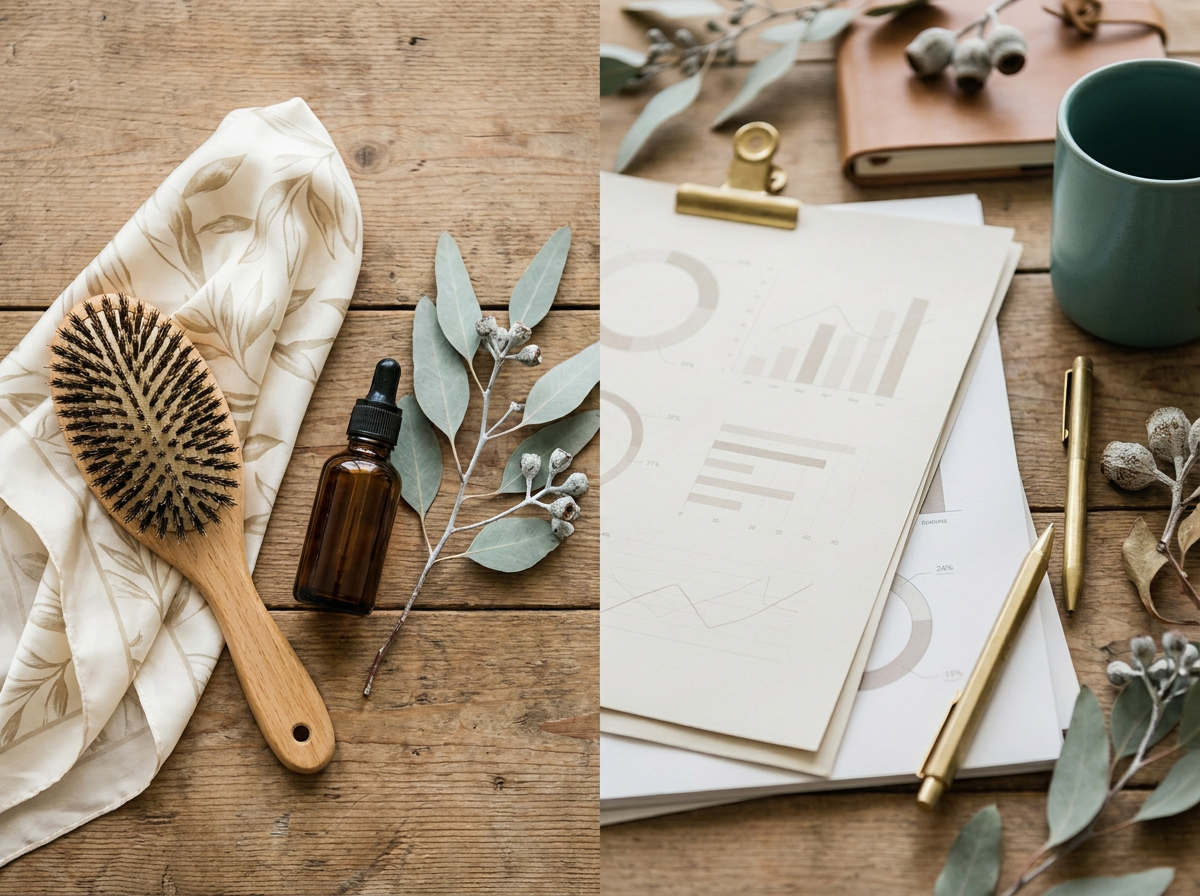
The good news: this routine requires very little. Most of what you need is probably already in your kitchen or bathroom.
For the Eucalyptus Scalp Massage Oil
- 1 oz (30 ml) carrier oil: jojoba, fractionated coconut oil, or sweet almond oil all work well. Jojoba is a popular choice because its composition closely resembles the scalp's natural sebum.
- 6 to 12 drops of true eucalyptus essential oil (Eucalyptus globulus or Eucalyptus radiata). Always source from a reputable supplier that provides GC/MS testing reports.
- A small amber or dark glass bottle with a dropper or pump (to protect the oil from light degradation)
- A fine-toothed comb or a scalp massage tool (optional but useful for even distribution)
Optional Add-Ins for a Custom Blend
- 3 to 5 drops of peppermint essential oil for an amplified cooling sensation. Eucalyptus and peppermint are a well-documented aromatic pairing. Learn more about blending them in the guide to peppermint and eucalyptus as a cooling duo.
- 3 drops of rosemary essential oil (Rosmarinus officinalis) for an herbaceous, grounding note that complements eucalyptus well.
- A few drops of vitamin E oil as a natural preservative and skin-supportive addition to the carrier base.
Step-by-Step: The Eucalyptus Scalp Massage Ritual
This routine works best as a pre-wash treatment applied 20 to 60 minutes before shampooing. You can also leave it on overnight if your hair type tolerates oil well, but the pre-wash window is the most practical for most people.
-
Step 1: Blend Your Oil
Add your carrier oil to the glass bottle first, then drop in your eucalyptus essential oil. This order matters: adding essential oil to an already-measured carrier prevents you from accidentally over-concentrating the blend. Cap the bottle and roll it gently between your palms for 20 to 30 seconds to combine. Do not shake vigorously.
-
Step 2: Section Your Hair
Dry or slightly damp hair both work for this step. Divide your hair into four sections using clips or hair ties. This gives you clear access to the scalp without the oil getting lost in the length of your hair. The goal is scalp contact, not strand saturation.
-
Step 3: Apply the Blend
Using the dropper or your fingertips, apply 4 to 6 small dots of oil along each parting. Work section by section. You don't need much: 8 to 10 drops of blended oil total is usually sufficient for a full scalp application. Less is more here. A heavy application will require more effort to wash out and may leave residue.
-
Step 4: The Eucalyptus Scalp Massage
This is the step most people underestimate. Using the pads of your fingertips (not your nails), work in small circular motions across your entire scalp. Start at the nape of your neck and work forward toward the hairline. Spend at least 3 to 5 minutes on this. The massage itself is what drives the sensory and potential circulatory benefits, and it helps distribute the oil evenly across the scalp surface. Take your time. This is the ritual.
If you're using a scalp massage tool, work it in the same circular pattern. These tools can reach areas of the scalp that are harder to access with fingertips alone.
-
Step 5: Let It Sit
Cover your hair loosely with a shower cap or a warm towel and allow the blend to sit for at least 20 minutes. If you have time, 45 to 60 minutes gives the carrier oil more opportunity to soften any buildup at the scalp surface before shampooing. The cooling sensation from the eucalyptus will be noticeable within the first few minutes and tends to mellow gradually.
-
Step 6: Shampoo Thoroughly
Apply your shampoo directly to the oiled scalp before adding water. This is a key tip that most people skip. Applying shampoo to dry or lightly dampened hair before rinsing helps the surfactants emulsify the carrier oil more effectively. Then add warm water and work into a lather. You may need two rounds of shampooing depending on how much oil you applied and your hair's density. Rinse well.
-
Step 7: Condition as Usual
Focus conditioner on the mid-lengths and ends, not the scalp. The oil treatment has already addressed the scalp. Piling conditioner on top of an oil-massaged scalp can lead to buildup over time.
Common Mistakes to Avoid
Even a simple routine can go sideways with a few avoidable missteps.
Using Too Much Oil
More is not better with essential oils, and it's not better with carrier oils either. A tablespoon of oil on a fine-haired scalp can take three washes to fully remove. Start with less than you think you need and build up only if your hair type warrants it.
Applying Eucalyptus Oil Undiluted
This is the most important mistake to avoid. Undiluted eucalyptus oil on the scalp can cause significant irritation. The cooling tingle you feel with a properly diluted blend should be pleasant. If it burns or stings, the concentration is too high or the oil is contacting an area it shouldn't.
Skipping the Patch Test
Sensitization to essential oils can develop even if you've used them before without issue. Always patch test a new blend 24 hours before full application, particularly if you're changing suppliers or trying a new formulation.
Using Low-Quality Oil
The market for eucalyptus essential oil is crowded with adulterated products. Synthetic eucalyptol added to cheap base oils is common. Look for oils that list the botanical Latin name on the label (Eucalyptus globulus or Eucalyptus radiata), disclose country of origin, and come from suppliers who publish GC/MS batch testing data. A quality oil smells complex and slightly medicinal, not flat or overly sweet.
Expecting Hair Growth Miracles
To be direct: no essential oil is a proven hair growth solution, and eucalyptus oil should not be positioned that way. Some people report that consistent scalp massage (with any oil) contributes to a feeling of healthier scalp over time, but this is not the same as a documented cosmetic outcome. Manage your expectations, and enjoy the ritual for what it genuinely delivers: a sensory, invigorating wash-day experience.
What to Realistically Expect
After your first eucalyptus scalp massage session, you will almost certainly notice the cooling sensation during the treatment and a clean, refreshed feeling post-wash. The scent is bright and invigorating, and many people find it makes wash day feel more like a self-care ritual and less like a chore.
With regular use (once or twice per week over several weeks), some people report that their scalp feels less congested and that product buildup seems easier to remove. These are cosmetic and sensory observations, not medical outcomes, and individual results will vary depending on hair type, water quality, product use habits, and dozens of other factors.
What this routine will not do is substitute for a dermatologist visit if you're experiencing a scalp condition that warrants professional attention. Always consult a qualified healthcare provider for any concerns that go beyond everyday hair care.
A Note on Eucalyptus Oil and Skin Overlap
The scalp is skin. The same principles that apply to using eucalyptus oil on the face and body apply here: dilution, patch testing, and sourcing quality oil are non-negotiable. If you're curious about how eucalyptus oil fits into a broader skin-focused routine, the guide to eucalyptus oil for skin covers dilution, carrier pairings, and important contraindications in more detail.
Quick-Reference Blend Card
| Blend Name | Carrier (1 oz / 30 ml) | Essential Oils | Best For |
|---|---|---|---|
| Classic Eucalyptus Scalp Oil | Jojoba oil | 10 drops eucalyptus (E. globulus) | All hair types, first-timers |
| Cool Mint Scalp Refresh | Fractionated coconut oil | 7 drops eucalyptus + 5 drops peppermint | Oily scalps, post-workout wash day |
| Herbal Scalp Blend | Sweet almond oil | 6 drops eucalyptus + 4 drops rosemary + 2 drops tea tree | Normal to oily scalps, those who enjoy herbal aromas |
All blends are formulated at approximately 1 to 2 percent dilution. Always patch test before full application.
Storing Your Blend
Essential oils degrade with exposure to light, heat, and oxygen. Store your eucalyptus scalp blend in a dark glass bottle, away from direct sunlight and heat sources. A bathroom cabinet works well as long as it's away from shower steam during storage. Most carrier oil blends keep well for 3 to 6 months, depending on which carrier you use. Jojoba has a notably long shelf life compared to sweet almond or sunflower. Label your bottle with the date you made it and the ingredients used.
Wash day doesn't have to be mundane. A simple eucalyptus scalp massage, done with a quality oil and a few unhurried minutes, turns a functional task into something genuinely worth looking forward to. Start with the classic blend, pay attention to how your scalp responds, and adjust from there.